
Yageo raised capacitor prices 50% across its full product line, the broadest price action in a decade, as spot prices surged as much as 10x.
Yageo raised capacitor prices 50% across its full product line, the broadest price action in a decade, as spot prices surged as much as 10x.
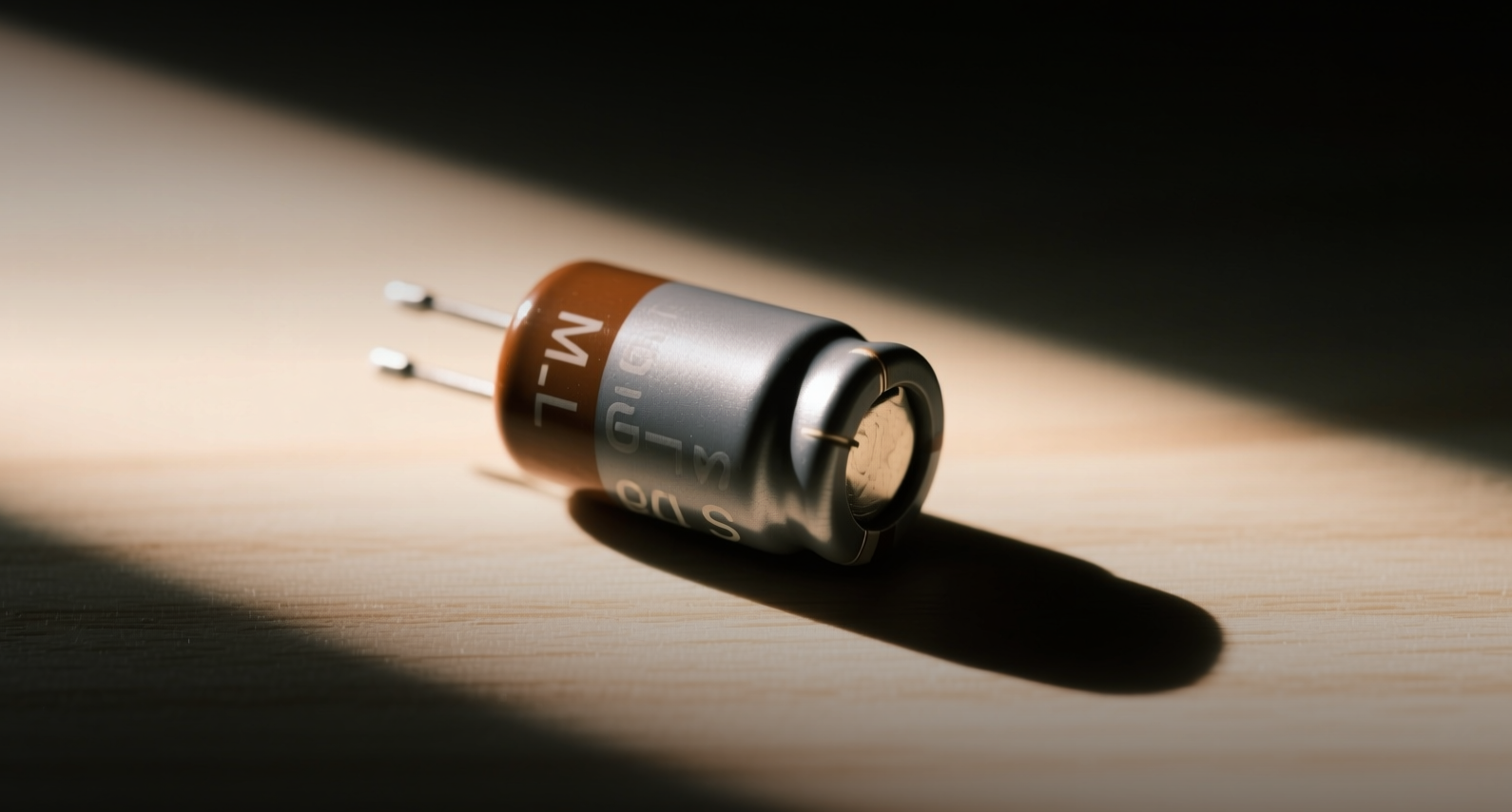
Yageo, the world's largest multilayer ceramic capacitor maker, raised prices across its full capacitor lineup by about 50%, covering roughly half its revenue, as a supply crunch in passive components deepens alongside the broader memory shortage.
"Yageo's price adjustment is effective immediately and applies to all capacitor categories — tantalum, MLCC, aluminum, solid aluminum, film and supercapacitors," a distributor at Shenzhen Hefengxin Technology told reporters, confirming the move. The company for the first time extended the increase to direct customers including EMS and OEM manufacturers, synchronizing spot and contract pricing.
The factory-level hike of roughly 50% follows months of escalating spot market prices. High-end capacitor prices have surged as much as 10x over the past month, with delivery delays reported across all major MLCC brands, according to distributors. The price action mirrors trends in the memory market, where DRAM and NAND prices have climbed as much as 700% over four years, with RAM prices expected to rise another 40% to 50% in the third quarter of 2026, according to memory industry consultant Ethan Tan.
The synchronized price increases across passive components and memory threaten to squeeze margins for downstream electronics manufacturers already grappling with elevated input costs. Apple, Sony and Microsoft have already imposed steep price hikes on consumer devices, with all MacBook and iPad models hit with surprise increases. The shortage shows no sign of easing before 2028, when expanding supply and moderating AI demand may push prices back down 15% to 20%, Tan estimated.
Supply Chain Squeeze Spreads Beyond Memory
The passive component shortage adds a new layer of cost pressure to an electronics supply chain already strained by AI-driven demand for advanced memory. Yageo controls roughly 13% of the global MLCC market, competing with Murata, TDK and Samsung Electro-Mechanics. The company's decision to raise prices across all capacitor types — from commodity MLCCs used in smartphones to high-end tantalum capacitors deployed in automotive and industrial applications — suggests the shortage is broad-based rather than confined to a single product tier.
Chinese manufacturers have limited ability to fill the gap. CXMT, China's leading DRAM producer, cannot access the extreme ultraviolet lithography tools needed for next-generation chips due to US export controls, according to Tan. The company's DDR5 memory is already viable for consumer PCs — Apple has lobbied the US government for permission to source from the blacklisted supplier — but CXMT will not be able to advance to DDR6 or HBM3E in the near term. Tan expects China's domestic NAND technology to reach industry parity only by 2028.
Who Wins, Who Loses
For Yageo, the price hikes represent a significant revenue tailwind. The roughly 50% increase across half its product portfolio could boost top-line growth substantially in the coming quarters, assuming volumes hold. Competitors Murata and TDK may follow with their own price adjustments, given the tight market conditions.
The losers are downstream electronics manufacturers. EMS and OEM companies that assemble devices for Apple, Dell, HP and automotive customers now face higher component costs with limited ability to pass them through immediately. The inclusion of direct customers in the price adjustment — a first for Yageo — closes a loophole that previously allowed large contract manufacturers to lock in lower prices.
Yageo's pricing power in a tightening market supports a bullish view on the stock, though the company trades at elevated multiples reflecting the current cycle. For investors, the key question is duration: Tan projects relief may not arrive until 2028, suggesting several more quarters of pricing upside. Murata and Samsung Electro-Mechanics, as peer beneficiaries, could see similar tailwinds if they follow Yageo's lead. On the other side, downstream exposure to consumer electronics and automotive end markets — through names like Hon Hai Precision Industry and Flex — faces margin compression risk.
This article is for informational purposes only and does not constitute investment advice.
