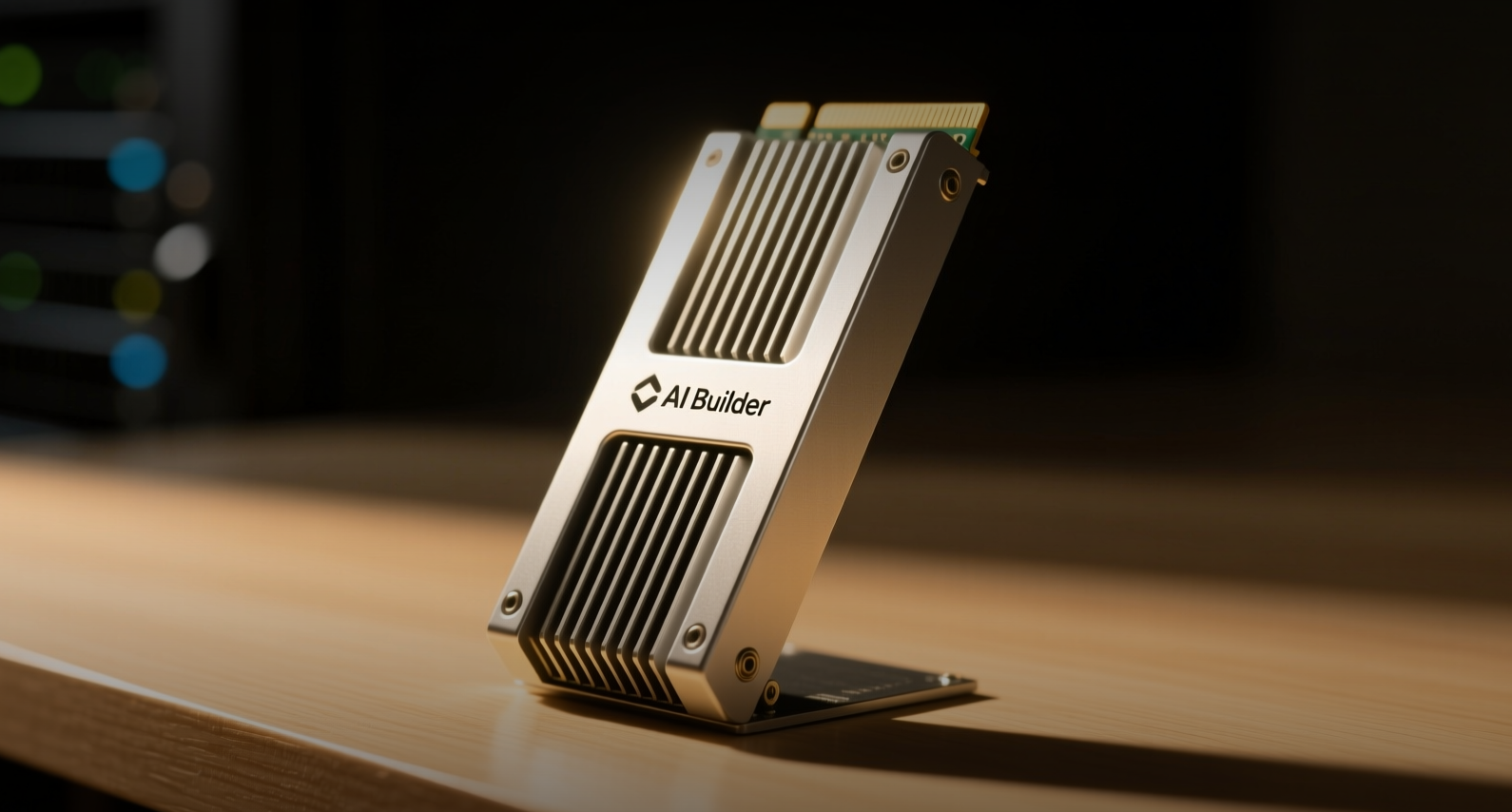
SK Telecom is building what it calls Korea's third national infrastructure revolution — a 15-gigawatt AI data center network that could cost more than $640 billion.
SK Telecom plans to build a 15-gigawatt AI data center network across South Korea, a project valued at up to 1,000 trillion won ($643 billion) that would position the country as Asia's AI infrastructure hub. The company described it as the nation's third transformative infrastructure project, following the Gyeongbu Expressway and high-speed internet.
"This AI data center project is about proactively preparing the computing infrastructure that the global AI ecosystem will need," Jung Jai-hun, president and chief executive officer of SK Telecom, said.
The buildout starts with a 2-gigawatt-plus cluster in the southeastern Yeongnam region anchored by an AI data center under construction in Ulsan, with an additional 1 gigawatt planned for the southwest. SK Telecom aims to activate 5 gigawatts in stages from 2029 and reach 15 gigawatts by 2035. A single 1-gigawatt facility costs about 70 trillion won, the company said.
The project positions SK Telecom against global hyperscalers including Amazon, Microsoft and Google, which are collectively spending hundreds of billions on AI infrastructure. Korea's advantages — leadership in high-bandwidth memory chips, stable nuclear and LNG power, and gigawatt-scale operating experience from semiconductor fabs — give it a competitive edge in attracting big tech demand, the company said.
A $643 Billion Bet on AI Compute Demand
The investment, which could reach 1,000 trillion won, will be funded through a combination of SK Telecom's own capital, strategic partner contributions, long-term anchor customer contracts and project financing. The company plans to develop the facilities in phases to reduce upfront capital burden.
The scale reflects a global supply-demand imbalance. McKinsey & Co. forecasts data center demand will grow 19 percent to 22 percent annually, with supply failing to keep pace. The US alone faces a shortfall of about 15 gigawatts by 2030, the consulting firm estimated. Amazon this year announced a capital expenditure plan of roughly $200 billion, a sign of the industry's growing need for compute capacity.
SK Group's Full-Stack Advantage
SK Telecom will serve as lead architect, overseeing design, construction and operations. The project draws on SK Group's full-stack AI capabilities spanning semiconductors — including high-bandwidth memory from SK Hynix — energy solutions and construction expertise.
The company is already deepening ties with global partners. In Ulsan, SK Telecom is building a hyperscale AI data center with Amazon Web Services targeting operations in the second half of 2027, featuring cooling and power systems designed for AI workloads. With Nvidia, the company is pursuing an "AI factory" — a next-generation data center concept — with operations starting in 2027 and plans to scale to gigawatt capacity.
For investors, the announcement signals a structural shift in where AI compute capacity is being built. SK Telecom's domestic buildout could capture demand from global big tech companies seeking alternatives to US-based data centers constrained by power and permitting bottlenecks. SK Hynix, as the group's HBM supplier, stands to benefit directly from the expanded capacity. SK Telecom shares trade on the New York Stock Exchange under the ticker SKM. The company did not disclose a specific equity commitment or expected return on investment for the project.
This article is for informational purposes only and does not constitute investment advice.