Key Takeaways:
- SiliconFlow raised over RMB2 billion ($280M) in a B-round from eight strategic investors
- The MaaS platform serves 10M+ users with trillions of daily token calls
- Revenue surged 10x year-over-year as enterprise AI adoption accelerates
Key Takeaways:
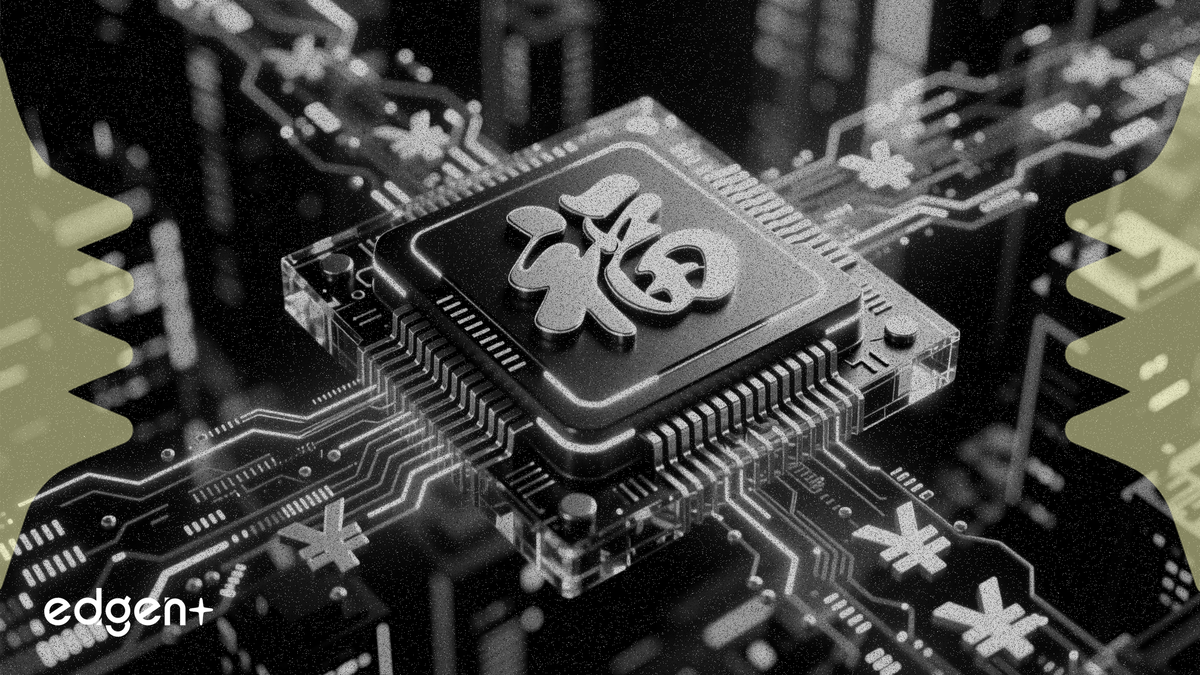
SiliconFlow's $280 million B-round marks one of the largest private AI infrastructure financings in China this year, as enterprise demand for model-serving capacity explodes.
SiliconFlow raised more than 2 billion yuan ($280 million) in a B-round financing from eight strategic investors, as Chinese enterprises race to build the computing layer powering the country's AI boom. The company operates a Model-as-a-Service platform called Token Factory that handles trillions of daily token calls for more than 10 million users and 10,000 enterprise clients.
The investor group includes Ctrip Strategic Investment, solar manufacturer Jinko Solar, enterprise software provider Kingdee, telecom operator Unicom Xinwo, electric-vehicle investor NIO Capital, AI firm SenseTime's strategic investment arm, gaming company Giant Network and Guotai Junan Innovation Investment. The breadth of the syndicate — spanning travel, energy, software, telecom, EVs, AI, gaming and finance — shows that corporate China views AI infrastructure as a cross-sector priority, according to the company's announcement.
SiliconFlow's revenue surged more than tenfold year-over-year, though the company did not disclose absolute figures. The growth rate outpaces many publicly traded Chinese AI firms: SenseTime, one of its investors, reported a 34% revenue increase in its most recent fiscal year. The company has now secured backing from enterprises across the full AI value chain — energy, chips, computing power, cloud services, large models and applications — since its founding.
The financing comes as China's AI infrastructure buildout accelerates. Citi estimated in a recent note that China's 2 trillion yuan AI buildout would provide a major boost to domestic infrastructure companies, naming Lenovo Group and ZTE among potential beneficiaries. Chinese technology giants and startups have been competing for access to Nvidia's H100 and domestic alternatives from Huawei, as model training and inference costs remain the primary bottleneck to broader AI adoption.
What the funding means for the competitive landscape
SiliconFlow's MaaS model positions it between the chip layer — dominated by Nvidia and Huawei's Ascend series — and the application layer where companies like Baidu's Ernie and Alibaba's Qwen compete. By abstracting away hardware management, SiliconFlow lets enterprises pay per token rather than provisioning their own GPU clusters, a model that has gained traction as inference workloads surpass training in total compute demand.
The 10x revenue growth suggests SiliconFlow is capturing a disproportionate share of that shift. For comparison, U.S. MaaS provider Together AI raised $305 million at a $3.3 billion valuation in early 2025, while Fireworks AI secured $52 million. SiliconFlow's $280 million round, denominated in yuan and sourced entirely from domestic strategic investors, reflects China's push for self-reliance in AI infrastructure amid export controls on advanced chips.
The company did not disclose its post-money valuation or specify how it will deploy the new capital. Previous rounds included investments from existing backers not named in this announcement.
This article is for informational purposes only and does not constitute investment advice.
