High-capacity MLCC prices have surged as much as 5x in a month at Shenzhen's Huaqiangbei market, as AI server demand for the ubiquitous ceramic capacitor outstrips supply.
High-capacity MLCC prices have surged as much as 5x in a month at Shenzhen's Huaqiangbei market, as AI server demand for the ubiquitous ceramic capacitor outstrips supply.
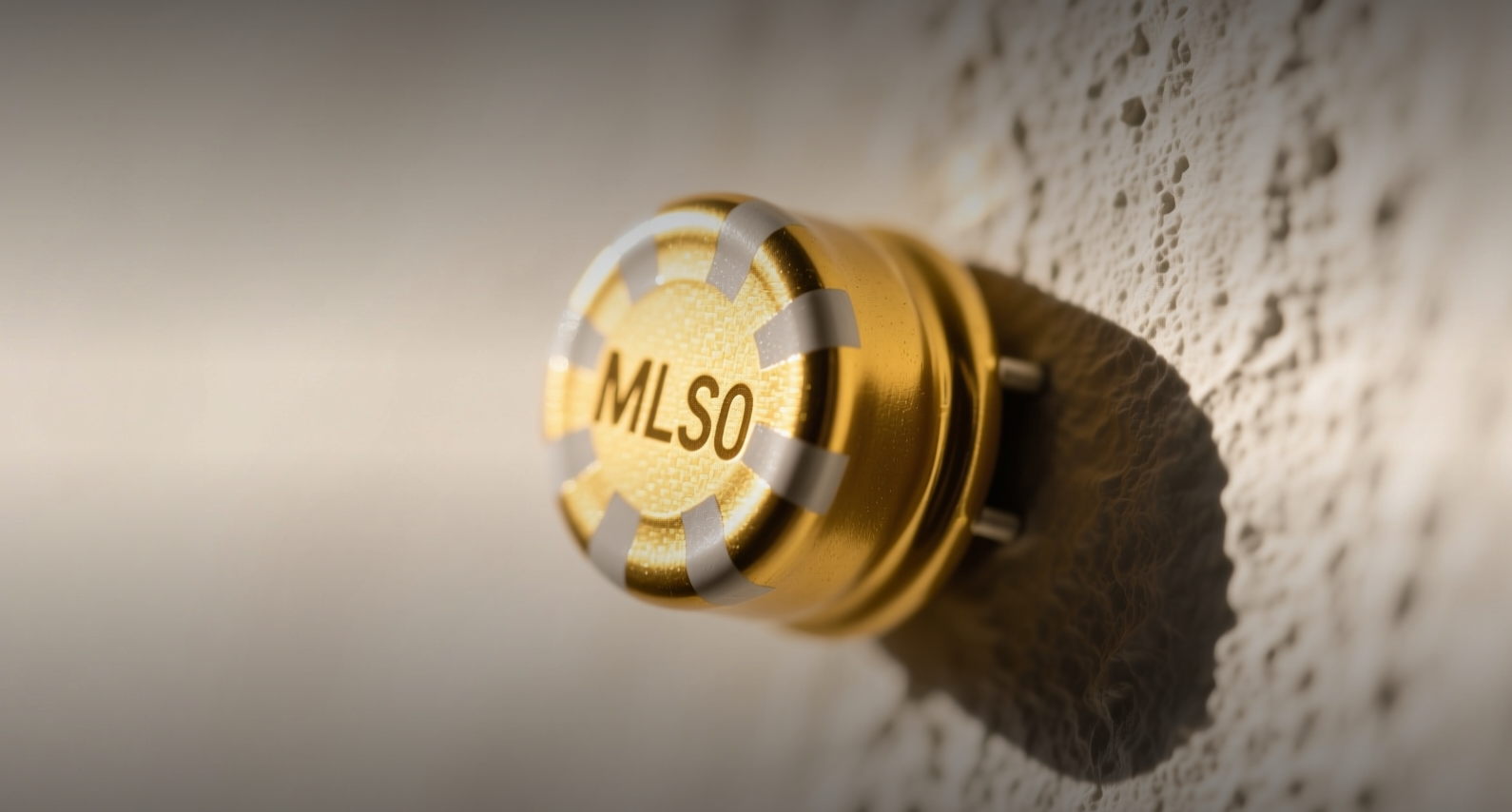
High-capacity MLCC prices have surged as much as 5x in a month at Shenzhen's Huaqiangbei electronics market, as AI server demand for the ubiquitous ceramic component outstrips supply and extends lead times to 20 weeks.
"The price increases in high-capacity products have been extreme — some specifications are up 8 to 10 times," a distributor carrying Murata Manufacturing Co., Samsung Electro-Mechanics Co. and Taiyo Yuden Co. products told Shanghai Securities News on June 16.
An AI server requires up to 28,000 multilayer ceramic capacitors (MLCCs) per unit, a 13-fold increase from a standard server, according to China Securities. The global MLCC market was valued at about $14.8 billion in 2025 and is projected to reach $28.6 billion by 2034, with high-capacitance products — the category most affected by the current shortage — growing at a 9.1% compound annual rate, faster than the broader market's 7.6%, per industry reports.
The structural shift from consumer electronics to AI and automotive as the primary demand driver means MLCC pricing is no longer a simple inventory cycle. Hua Chuang Securities analyst Yue Yang estimates AI server MLCC demand at roughly 2 trillion units this year, with potential to reach 5 trillion to 6 trillion. That creates a sustained premium opportunity for manufacturers with high-end capacity and reliability certification.
Where the Shortage Is Hitting Hardest
The price surge is concentrated in high-capacitance and ultra-high-capacitance MLCCs — components that handle decoupling, filtering and voltage stabilization in power-hungry AI circuits. A Murata GRM31CR61A476KE15L (1206 package, 47 microfarad at 10 volts) now trades at 600 to 635 yuan per 2,000 pieces at Huaqiangbei, double the roughly 300 yuan price in May. Some distributors report certain high-end models have been out of production for a month, further squeezing spot availability.
By contrast, general-purpose MLCCs — which still account for 38.4 percent of the market — have seen only modest price increases. A domestic Chinese MLCC manufacturer told Shanghai Securities News that "product prices adjust with the market," but acknowledged the overall supply-demand balance is not yet at extreme levels. The bifurcation reflects a deliberate capacity shift: manufacturers are reallocating production lines toward higher-margin AI server components, crimping supply of lower-end products and extending lead times across the board.
Who Wins as MLCCs Become a Strategic Component
The supply chain dynamics favor manufacturers with high-capacity, low-inductance and low-ESR (equivalent series resistance) MLCC expertise. Murata, the world's largest MLCC maker with roughly 40 percent market share in high-end products, has not issued an official price increase, but its distributors are already marking up spot prices. Samsung Electro-Mechanics recently secured a 1.5 trillion won ($1.1 billion) supply agreement with a major global technology company — the largest single contract in its history — with revenue expected to begin contributing in 2027, according to The Elec.
Samsung Electro-Mechanics is also expanding into silicon capacitors, a complementary technology that uses semiconductor wafer fabrication rather than ceramic layering. The company expects the silicon capacitor market to grow more than 18 percent annually, driven by AI servers, aerospace and optical communications, per The Elec. Unlike conventional MLCCs, silicon capacitors can be thinned to less than 100 micrometers and embedded directly into FC-BGA substrates, making them suited for the tight power delivery networks of AI accelerators.
The Investment Angle
For investors, the MLCC shortage represents a structural rather than cyclical opportunity. Unlike the memory chip boom, where broad-based supply constraints drove across-the-board price increases, the MLCC market is experiencing a targeted squeeze in high-end products that account for roughly a quarter of total industry revenue. That limits the upside for general-purpose manufacturers but creates pricing power for Murata, TDK Corp., Samsung Electro-Mechanics and Chinese producers like Fenghua High-Tech Co. that have invested in high-capacitance production lines.
The risk lies in capacity response. MLCC production lines are flexible — manufacturers can reallocate between product types within weeks — which could ease the shortage faster than anticipated. A private equity investment manager cited by Shanghai Securities News noted that AI server demand still represents only a low-single-digit percentage of total MLCC consumption, making a full industry-wide shortage unlikely. Still, with AI server buildout accelerating and each unit consuming 28,000 capacitors, that share is rising quickly.
This article is for informational purposes only and does not constitute investment advice.
