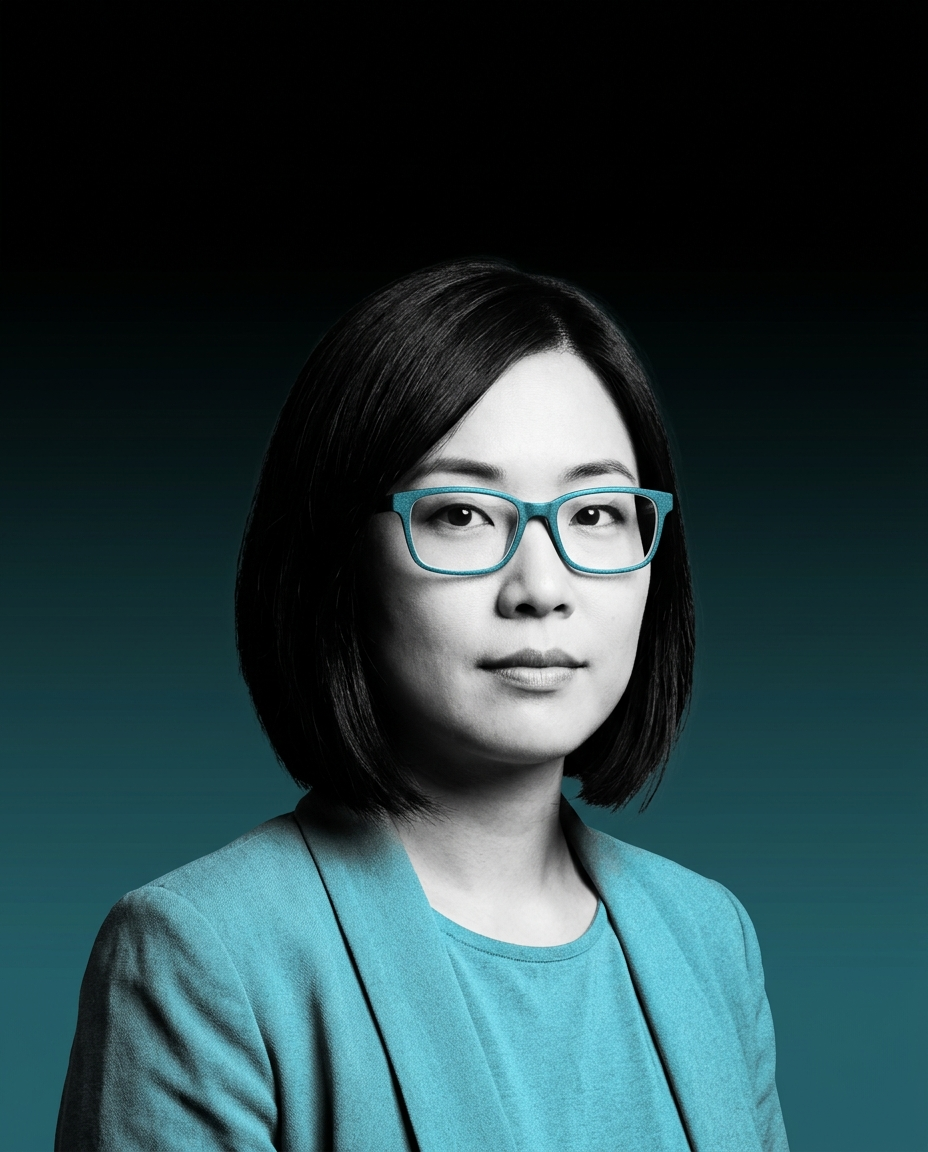
MiniMax founder Yan Junjie will forgo his salary until the company achieves AGI and contribute 5% of his personal stake worth billions, following a 17.98% single-day stock crash triggered by the first major post-IPO lock-up expiration.
MiniMax Chief Executive Officer Yan Junjie will forgo his salary and contribute 5% of his personal stake for team incentives and open-source development, after the Chinese AI company's stock crashed 18% on its first major post-IPO lock-up expiration.
"Those on the front lines of the industry understand better than anyone the true pace of technological evolution and the long-term value the company is creating," Yan said in an internal letter to all staff on July 10. He called the decision "a long-term commitment as founder."
The stock closed at HK$297.40 on July 9, down 17.98%, reducing MiniMax's market capitalization to HK$932.75 billion. Over 80% of pre-IPO and cornerstone investors signaled they would maintain their positions, though selling pressure from the remaining unlock proved severe. The company simultaneously completed a HK$16 billion funding round from sovereign wealth funds, long-only funds, Chinese institutions and multi-strategy funds across Asia Pacific, Europe and the United States.
The founder's personal commitment and the fresh capital injection provide a counterweight to the unlock-driven selloff, but the stock remains vulnerable to further liquidation. MiniMax is developing a 2.7 trillion-parameter large language model internally called M3 Pro, expected as soon as the third quarter, which would represent a sixfold increase over its current M3 flagship at 428 billion parameters. The company plans to open-source the model, a move that could accelerate adoption but also raise questions about monetization.
Yan will contribute 4% of the company's total outstanding shares from his personal holdings over the next four years to incentivize long-term team members, and an additional 1% to establish a dedicated fund supporting open-source community development. The contributions take effect immediately and run until the company achieves AGI, a milestone that remains undefined and years away by most industry estimates.
The HK$16 billion raise comes as Chinese AI companies compete aggressively for talent and computing resources. MiniMax plans to allocate 80% of the net proceeds to AI infrastructure and model research and development, according to the company's announcement. The funding attracted participation from top-tier global sovereign funds, underscoring the international investor appetite for Chinese AI exposure despite geopolitical tensions.
MiniMax's M3 Pro, if delivered at 2.7 trillion parameters, would rank among the largest language models ever built, surpassing models from Alibaba's Qwen team and Baidu's ERNIE series. Training a model of that scale would require tens of thousands of Nvidia H100 or equivalent GPUs running for months, representing a capital expenditure in the hundreds of millions of dollars. The planned open-source release would mark one of the most significant contributions to the open-weight AI ecosystem, potentially rivaling Meta's Llama series in scale.
The stock's 17.98% decline on July 9 erased roughly HK$200 billion in market value in a single session, though the subsequent CEO commitments and funding announcement may help stabilize sentiment. MiniMax shares have been volatile since its IPO, with the lock-up expiration representing the first major test of shareholder conviction since the company went public.
This article is for informational purposes only and does not constitute investment advice.