


Micron's long-term supply pact with GM shows how AI-driven DRAM shortages are forcing automakers to lock in memory chip supply years in advance.
Micron's long-term supply pact with GM shows how AI-driven DRAM shortages are forcing automakers to lock in memory chip supply years in advance.
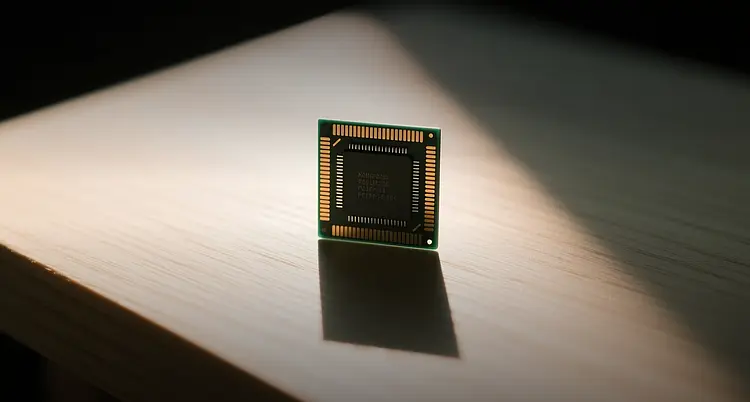
Micron's long-term supply pact with GM shows how AI-driven DRAM shortages are forcing automakers to lock in memory chip supply years in advance.
Automakers are racing to secure memory chip supply as AI data center demand pushes DRAM prices up 70% since December, with Micron Technology and General Motors signing a long-term agreement covering LPDRAM, NOR and NAND storage for vehicle production.
"As demand for memory and storage continues to grow, we are investing to extend supply availability and align more closely with our customers to improve supply predictability across the automotive ecosystem," Sanjay Mehrotra, chairman and CEO of Micron, said in a statement.
The strategic customer agreement, one of 16 such contracts Micron disclosed in its fiscal third-quarter 2026 earnings call, covers LPDRAM, NOR flash and UFS NAND products used in advanced driver-assistance systems and in-cabin AI features. Financial terms were not disclosed. Micron will supply GM from its $2 billion modernized fab in Manassas, Virginia, which began producing 1-alpha DRAM chips in May.
For GM, the deal de-risks a critical supply chain as vehicles evolve into software-defined computing platforms requiring increasing memory bandwidth. For Micron, the agreement provides long-term revenue visibility in a market where S&P Global Mobility estimates DRAM prices have surged roughly 70% since December, driven by AI infrastructure buildout that is squeezing supply across industries.
The agreement reflects a structural shift in how automakers manage semiconductor procurement. Rather than relying on spot purchases, GM secured committed capacity from Micron for the extended product lifecycles typical of automotive platforms — often seven to 10 years per vehicle model. "Delivering next-generation vehicles at scale requires a resilient and closely aligned supply chain," Mary Barra, chair and CEO of General Motors, said.
The deal also includes joint development of future memory and storage technologies for next-generation vehicle architectures, including system-level optimization and qualification of advanced memory. This positions Micron to deepen its relationship with GM beyond a pure supplier role, embedding its technology roadmap into GM's vehicle planning.
Micron's ability to offer long-term supply assurance rests on its expanding US manufacturing footprint. The company has pledged $200 billion in global investments, with the Manassas fab serving as a key node for automotive-grade memory production. The Virginia facility's output helps address a supply crunch that has seen DRAM prices rise faster than expected, according to S&P Global Mobility.
The broader memory market remains tight. Competitors Samsung Electronics and SK Hynix are also ramping production, but the AI-driven demand surge — particularly for HBM (high-bandwidth memory) used in Nvidia's AI accelerators — has absorbed a significant portion of available capacity. This spillover effect has pushed automakers to negotiate long-term deals rather than compete for spot allocations.
For investors, the agreement signals that Micron's strategy of locking in strategic customer agreements is gaining traction. The company's ability to convert tight market conditions into multiyear contracts provides earnings visibility that could support its valuation, even as near-term pricing dynamics remain volatile. Micron shares fell more than 6% on the announcement day amid a broader selloff in memory names, while GM shares edged down marginally.
This article is for informational purposes only and does not constitute investment advice.
