

Meta has quietly embedded a dormant facial recognition engine called NameTag into the companion app for its Ray-Ban and Oakley smart glasses, a feature the company publicly said it was still "thinking through."
Meta has quietly embedded a dormant facial recognition engine called NameTag into the companion app for its Ray-Ban and Oakley smart glasses, a feature the company publicly said it was still "thinking through."
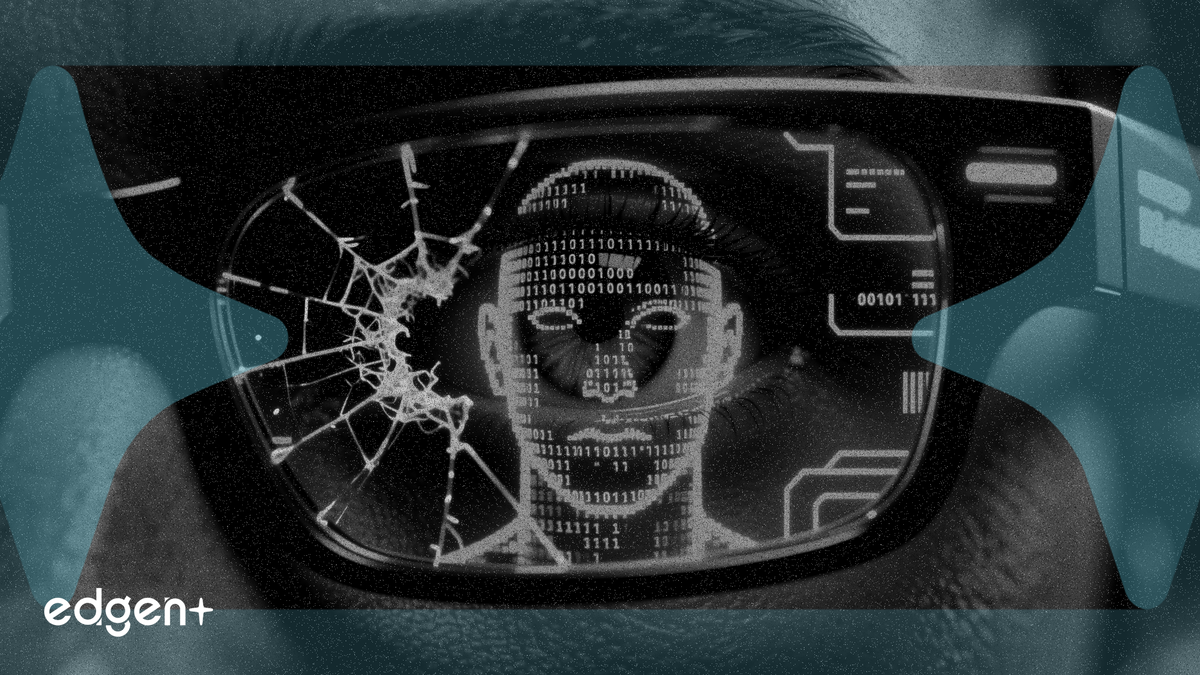
Meta Platforms Inc. has embedded a dormant facial recognition engine called NameTag into the companion app for its Ray-Ban and Oakley smart glasses, according to a Wired investigation, reviving a biometric tracking capability the company shut down in 2021 after paying more than $2 billion in legal settlements. The code, discovered in the Meta AI app that has been downloaded more than 50 million times, contains three machine learning models that can detect faces, crop them from images, and convert them into 2,048-dimensional biometric "faceprints" stored locally on the wearer's phone.
"Regardless of any sensational reporting, the facts are simple: We've said before we're exploring these types of features, and what you're seeing is just evidence of that exploration," Ryan Daniels, a Meta spokesperson, said. "Nothing has shipped to consumers and no final decision has been made on what to do here, if anything."
The three models — a detection algorithm that isolates faces from live video, an alignment model that adjusts facial angles, and a fingerprinting engine that generates unique biometric signatures — were delivered to user devices through app updates beginning as early as January, security researchers told Wired. The system stores unrecognized faces in a local folder called "NameTagsPending" and runs a cosine similarity search against known profiles when the wearer encounters someone again, triggering a "Person recognized" notification.
The discovery threatens to derail Meta's smart glasses ambitions just as the company pushes deeper into wearable AI through its partnership with EssilorLuxottica. Meta's last foray into facial recognition ended in 2021 when it shut down Facebook's automated photo-tagging system and deleted more than 1 billion faceprints after a $650 million settlement under Illinois' Biometric Information Privacy Act, followed by a $1.4 billion settlement with Texas in 2024. More than 70 civil liberties groups, including the ACLU and Fight for the Future, called on Meta in April to abandon any plans for facial recognition on wearables.
Why the code matters for wearable AI
Unlike Facebook's photo-tagging system, which analyzed uploaded images, smart glasses operate in real time and can identify strangers in public spaces without their knowledge or consent. Security researcher Buchodi, who reviewed Wired's findings, said the feature appears near complete. "The main components of a face-recognition feature are already in Meta's companion app," Buchodi said. "Not many pieces stand between this and a working feature."
Meta's internal planning documents, leaked in May 2025, suggested launching the feature during periods when civil society groups would be too distracted to mount effective opposition. Andy Stone, Meta's vice president of communication, called Wired's reporting "incredibly misleading" and "absolutely dishonest," noting the feature is not enabled. Chief Technology Officer Andrew Bosworth echoed that sentiment.
The controversy arrives as Meta faces a separate class-action lawsuit, Bartone and Canu v. Meta, alleging the company misled consumers by marketing its Ray-Ban smart glasses as "designed for privacy" while routing raw video footage to human reviewers overseas. Apple and Google are both developing competing mixed-reality wearables, and any privacy scandal could slow consumer adoption across the category.
For investors, the regulatory overhang is material. Meta's wearables division, part of its Reality Labs segment, posted an operating loss of $17.7 billion in 2024. A renewed privacy battle could invite Federal Trade Commission scrutiny and potential European Union investigations under the General Data Protection Regulation, adding compliance costs to a business that has yet to turn profitable. Meta shares have not yet reacted to the report, but the company's history of biometric litigation suggests the legal risk is far from retired.
This article is for informational purposes only and does not constitute investment advice.
