


Memory costs have surged sixfold over the past year as AI data center demand consumes DRAM and NAND supply, forcing Apple and Lenovo to raise PC prices by roughly 20% and pushing dealers to advise customers against non-essential purchases.
Memory costs have surged sixfold over the past year as AI data center demand consumes DRAM and NAND supply, forcing Apple and Lenovo to raise PC prices by roughly 20% and pushing dealers to advise customers against non-essential purchases.
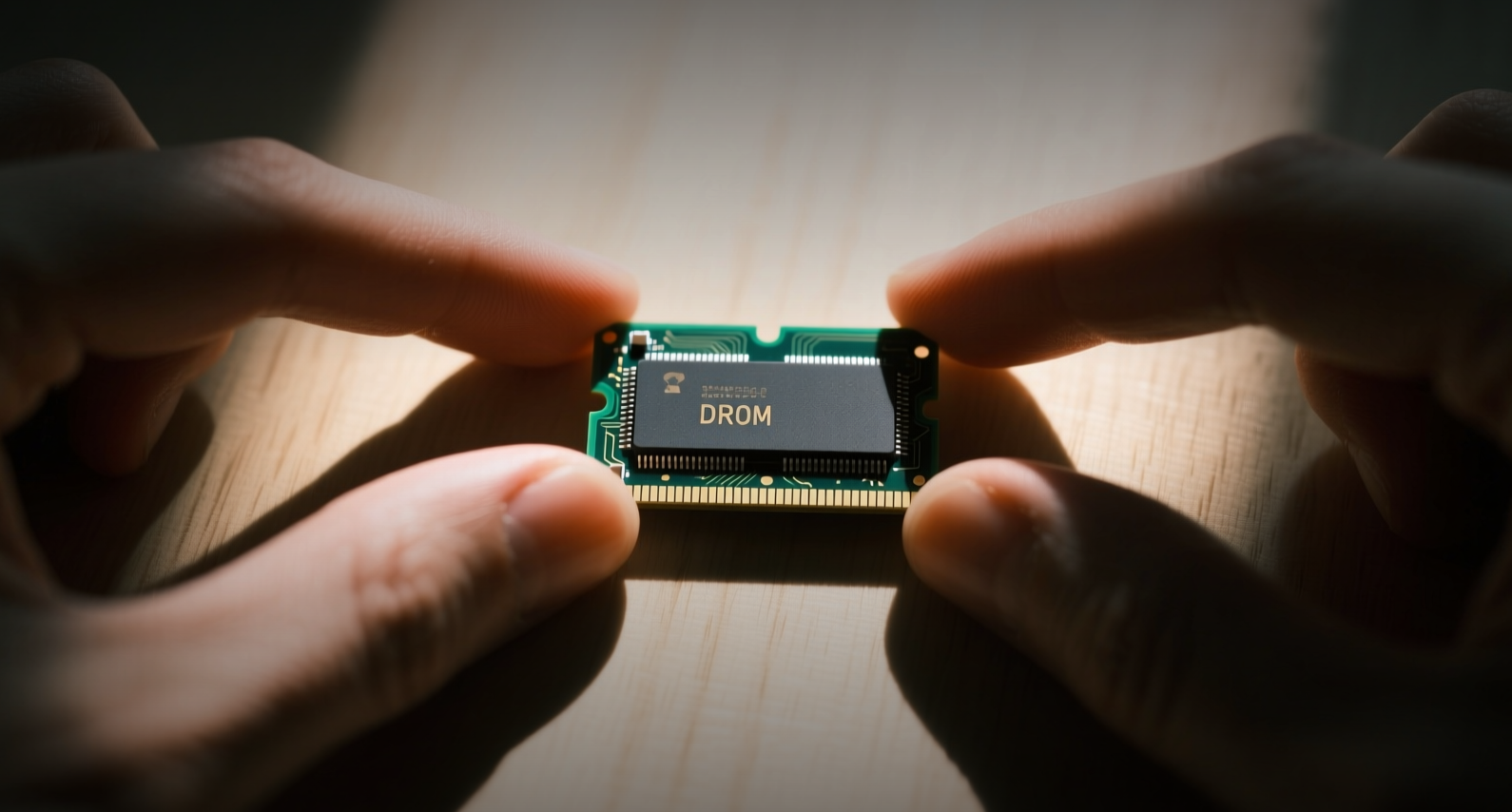
Apple's decision to raise Mac and iPad prices by roughly 20% on June 25 was the most visible sign yet that the AI infrastructure buildout has fundamentally repriced the memory chips inside every consumer device. The company said it had "never seen a component price increase this much, this quickly," as the cost of DRAM (the working memory in computers) and NAND flash (the storage) has risen more than sixfold over the past year, according to Morgan Stanley's Shawn Kim.
"The memory market is running hotter than anything we've seen in 15 years," said Scott Braverman, senior analyst at Omdia, which tracks PC supply chains. "AI data centers are absorbing so much high-bandwidth memory that consumer-grade DRAM and NAND are competing for leftover capacity, and the pricing reflects that."
Memory prices have risen more than sixfold over the past year, Morgan Stanley's Europe and Asia technologies group head Shawn Kim said in a June podcast, driven by long-term contracts and prepayment deals that give AI cloud buyers priority access to chip inventory. Goldman Sachs reported that the global supply-demand imbalance in memory has reached its widest point in nearly 15 years, with DRAM supply falling 4.9% short of demand and NAND running a 4.2% deficit in 2026. TrendForce, a Taipei-based memory research firm, forecasts DRAM contract prices will rise 13% to 18% in the third quarter from the prior quarter, with NAND climbing 10% to 15%.
The price shock has cascaded from server rooms to retail shelves. Apple's MacBook Air now starts at $1,299, up from $1,099, while the base MacBook Pro jumped to $1,999 from $1,699. iPad prices rose $150 to $200 depending on the model. Apple shares fell 6.12% on the day of the announcement, erasing roughly $265 billion in market capitalization. Lenovo, the world's largest PC maker by shipments, warned at the ISC 2026 supercomputing conference that DRAM and NAND prices have entered a "structural upward cycle" and are unlikely to return to early-2025 levels even as manufacturers expand capacity.
How the Shortage Reached Consumer Devices
The root cause is a structural shift in how memory manufacturers allocate production. Samsung, SK Hynix and Micron control the vast majority of DRAM and NAND output. As AI companies have poured capital into data centers, demand for high-bandwidth memory — the specialized DRAM stacked alongside Nvidia's GPUs — has surged, consuming wafer capacity that previously went to consumer-grade chips.
The impact on PC pricing has been dramatic. Omdia reported that US PC shipments fell 7% year-over-year in the first quarter of 2026, the largest decline since the third quarter of 2023, as component costs eroded margins on entry-level devices. Shipments of PCs priced under $500 dropped 18.7% year-over-year. In Shanghai, PC dealers told local media that gaming laptop prices have risen by roughly 5,000 yuan ($690), with some models that sold for 10,000 yuan a year ago now priced at 15,000 to 16,000 yuan. One dealer described SSD prices changing by the hour — a 1TB SanDisk drive that cost 820 yuan in the morning reached 860 yuan by evening.
Apple's move to seek US government approval to source memory from China's ChangXin Memory Technologies, or CXMT, underscores how constrained the supply has become. CXMT is a politically sensitive supplier under US national security regulations, and the fact that Apple is exploring that option suggests dissatisfaction with both pricing and availability from its existing network.
What This Means for Investors
For memory manufacturers, the pricing environment is a tailwind. Samsung, SK Hynix and Micron are all running their fabs at full capacity, and their most profitable product lines — HBM for AI servers — command premium pricing that lifts overall margins. Micron, which reports fiscal fourth-quarter earnings in September, is expected to post revenue growth of more than 60% year-over-year, according to consensus estimates compiled by Bloomberg.
For PC and consumer electronics makers, the calculus is more difficult. Apple's overall gross margin of 49.3% in the second quarter of 2026 provides some buffer, but that figure is inflated by the high-margin services business. Product-level margins on Macs and iPads face direct pressure from memory costs that have quadrupled for some components, according to The Wall Street Journal. Lenovo, Dell and HP — which operate on thinner margins — face an even tighter squeeze. Omdia expects industry-wide PC shipments to decline 14.4% for full-year 2026, with meaningful recovery unlikely before 2027.
The key variable is new fabrication capacity. Samsung, SK Hynix and Micron all have expansion plans underway, but semiconductor fabs take two to three years to build and qualify. Most analysts do not expect meaningful price relief until 2028 at the earliest. Until then, the gap between AI-driven demand and consumer supply will persist, keeping memory prices elevated and forcing hardware makers to choose between absorbing costs or passing them on to customers.
This article is for informational purposes only and does not constitute investment advice.
