

Key Takeaways:
- Xiaomi filed with MIIT to add a range-extended EV product category
- The filing is subject to regulatory approval through June 17
- The move positions Xiaomi to compete with Li Auto in the REEV segment
Key Takeaways:
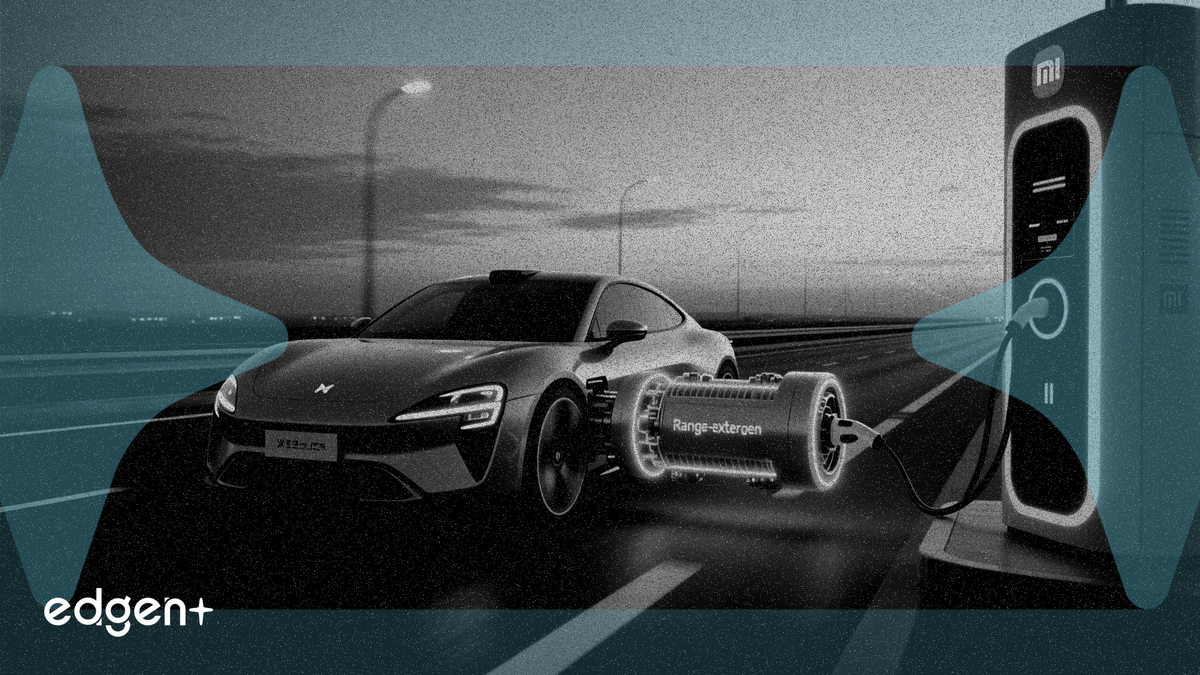
Xiaomi is expanding beyond pure battery EVs with a range-extended model, putting it in direct competition with Li Auto.
Xiaomi's move into range-extended electric vehicles broadens its addressable market beyond the battery-powered SU7 sedan and YU7 SUV, intensifying competition with Li Auto in China's fast-growing extended-range segment. The late EV entrant filed with the Ministry of Industry and Information Technology to add a range-extended electric vehicle product category, according to Batch 408 of the ministry's announcement on road motor vehicle production enterprises and products.
"Xiaomi's near-term earnings may face pressure from R&D and transition costs associated with the new product category," Goldman Sachs said in a note, adding that the long-term sales potential justifies the investment. The brokerage flagged that Xiaomi's second-quarter results may be relatively weak, weighing on short-term share price performance.
The filing, which is subject to regulatory approval after a public comment period through June 17, marks Xiaomi's first foray beyond pure battery EVs. The company currently offers the SU7 sedan and the YU7 SUV, both battery-powered models that have helped it emerge as a rival to established brands including Tesla since its late entry into the EV market.
The addition of a range-extended model positions Xiaomi to capture a slice of China's REEV market, where Li Auto has built a dominant position with its lineup of extended-range SUVs. Range-extended EVs, which pair a smaller battery with a gasoline engine that acts as a generator, appeal to Chinese consumers concerned about charging infrastructure gaps. The broader product mix could boost Xiaomi's long-term sales volume, though Goldman Sachs cautioned that near-term earnings may be pressured by transition costs.
Xiaomi's pricing strategy in the battery EV segment has already signaled its willingness to compete aggressively. The SU7 sedan launched at a starting price that undercut Tesla's Model 3 in China, helping the company rapidly gain market share despite being a late entrant. A similar approach in the REEV segment could pressure margins across the industry, particularly for Li Auto, which has enjoyed limited competition in the extended-range category.
Xiaomi shares listed in Hong Kong have gained significantly over the past year as investors priced in the EV business's growth trajectory. The REEV filing could expand the company's total addressable market, though it has not disclosed production timelines, pricing, or specific model details for the new category. The company's ability to scale production quickly will be tested as it adds a second powertrain type to its manufacturing operations.
This article is for informational purposes only and does not constitute investment advice.
