
Key Takeaways: Kevin Warsh will get more independence on rates than Jay Powell, though with a mandate not to raise them "all that much," Rubenstein said.
Key Takeaways: Kevin Warsh will get more independence on rates than Jay Powell, though with a mandate not to raise them "all that much," Rubenstein said.
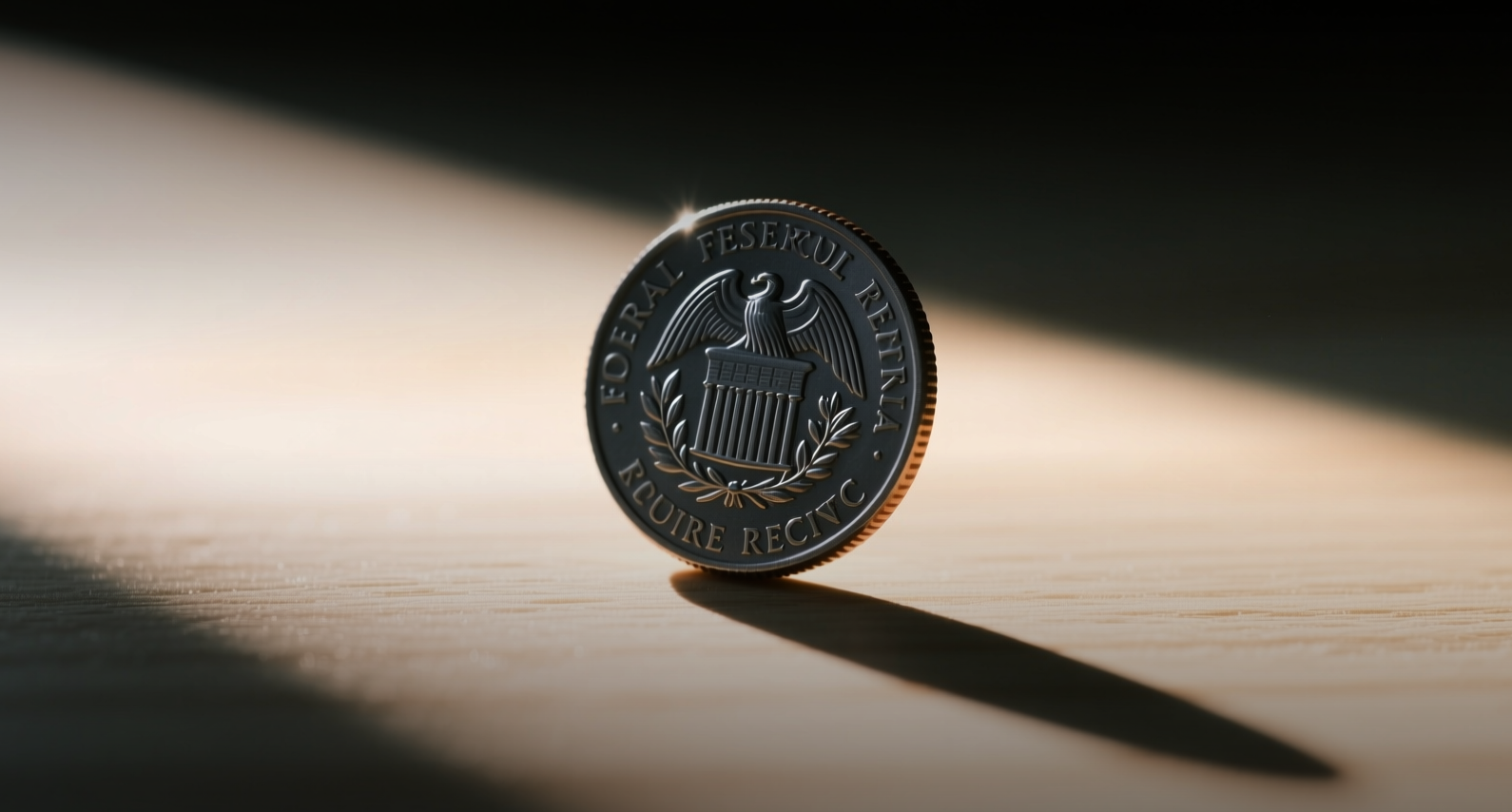
Federal Reserve Chair Kevin Warsh will get more room to set interest rates than predecessor Jerome Powell, though with an implicit mandate not to raise them "all that much," Carlyle Group co-founder David Rubenstein said.
"He's independent, but clearly he has a mandate not to raise rates all that much," Rubenstein, co-founder and chairman of Carlyle Group, said in an interview.
The comment comes two days after the Supreme Court issued twin rulings that expanded presidential power over federal agencies while preserving the Federal Reserve's unique "for cause" removal protections. The court's 5-4 decision blocking Trump's attempt to fire Fed Governor Lisa Cook highlighted the legal wall separating the central bank from the political branches — a distinction that now matters more after the court overturned the 91-year-old Humphrey's Executor precedent in Trump v. Slaughter, giving Trump broader authority to dismiss leaders of agencies like the Federal Trade Commission and the National Labor Relations Board.
The tension between expanded executive power and Fed independence creates an uncertain backdrop for Warsh, who took office May 22 after a 54-45 Senate confirmation. Markets are watching whether the central bank can maintain credibility on inflation fighting if political pressure to keep rates low intensifies.
A 112-Year Precedent Tested
Trump's relationship with the Fed has been defined by legal and political confrontation. In January 2026, the administration launched a criminal investigation into then-Chair Powell over alleged irregularities in the central bank's building renovations — an inquiry that concluded in April with no charges filed. The Supreme Court's June 29 rulings marked the first judicial boundary on Trump's expansion of executive power, with the Cook decision affirming that Fed governors can only be removed "for cause" under the Federal Reserve Act, a standard that has protected the central bank's independence since its founding in 1913.
The last time a president tested that protection was never — Trump's attempt to remove Cook, the first African American woman to serve on the Fed board, was the first in the central bank's 112-year history. The court ruled that announcing her dismissal via Truth Social did not constitute proper legal notice, violating due process. Cook's legal team had dismissed the mortgage fraud allegations cited by Trump as stemming from an "errant reference" in a 2021 document that was "clearly innocuous."
Senator Chuck Schumer criticized the Trump v. Slaughter ruling as a "green light" for Trump to transform independent agencies into "private clubs for his friends and allies." The decision dismantled protections that had been in place since 1935, with the court acknowledging that all three branches of government had been in "open defiance of the Constitution" by permitting such protections for nearly a century.
Markets Weigh Political Risk
The dollar weakened against major currencies after the Supreme Court decisions, with the yen touching a 40-year low against the greenback as traders assessed the implications of a more politically constrained central bank. Longer-dated Treasury yields edged lower on expectations that Warsh may face headwinds in tightening policy, while equity markets showed mixed reactions as investors weighed the inflation risks of rates kept artificially low.
The Federal Reserve Act's "for cause" removal standard now stands as the primary legal barrier protecting the central bank from the expanded presidential authority granted by the Trump v. Slaughter ruling. This legal distinction sets the Fed apart from other independent agencies whose protections relied on the now-overturned precedent.
If Warsh operates under an implicit mandate to keep rates contained, the Fed could fall behind the curve on inflation, potentially forcing sharper tightening later. If he asserts independence and raises rates, he risks political pushback from a president who has already demonstrated willingness to challenge the central bank's autonomy through investigations and removal attempts. The next Fed meeting will be closely watched for any signs of how Warsh navigates this tension.
This article is for informational purposes only and does not constitute investment advice.
