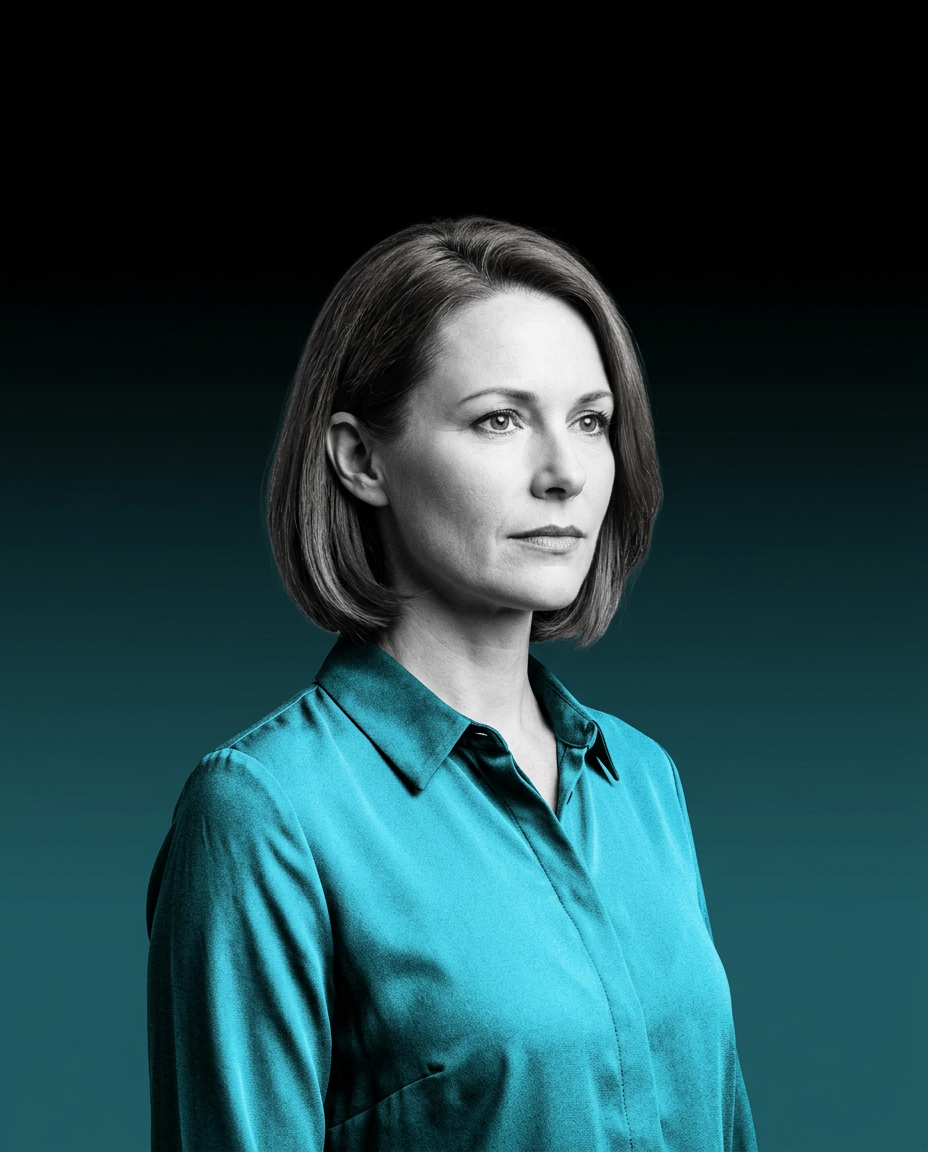
The Trump administration blocked Venezuelan opposition leader Maria Corina Machado's return from exile after twin earthquakes killed at least 2,000 people, deepening a rift over the country's political future.
The Trump administration blocked Venezuelan opposition leader Maria Corina Machado's return from exile after twin earthquakes killed at least 2,000 people, deepening a rift over the country's political future.
The Trump administration blocked Venezuelan opposition leader Maria Corina Machado's return from exile after twin earthquakes killed at least 2,000 people, deepening a rift over the country's political future.
The Trump administration blocked Venezuelan opposition leader Maria Corina Machado's return from exile after twin earthquakes killed at least 2,000 people, with senior officials accusing her of "grotesque political opportunism" during the disaster response.
"It's political opportunism and it's grotesque," a senior administration official said, echoing four others who spoke to Axios on condition of anonymity.
Machado's private jet was turned around over North Carolina on June 26 after Dutch authorities revoked landing permission for Curacao, following US signals that Washington did not support the trip. A second attempt via Copa Airlines from Panama City on June 28 also failed when the carrier refused to board her. The aborted flight cost a Venezuelan supporter $35,000, according to people familiar with the matter.
The clash threatens to destabilize the US-backed interim government of acting President Delcy Rodriguez, whom the White House has embraced as a partner in stabilizing Venezuela and courting foreign investment. Any political crisis could disrupt the fragile status quo that has encouraged American energy and mining companies to explore opportunities in the country.
The White House has thrown its support behind Rodriguez, Maduro's former vice president, after a US military operation captured Maduro in January and sent him to New York to face drug charges. Trump told Rodriguez in a phone call on June 26 not to move against or interfere with Machado if she returned, people familiar with the conversation said.
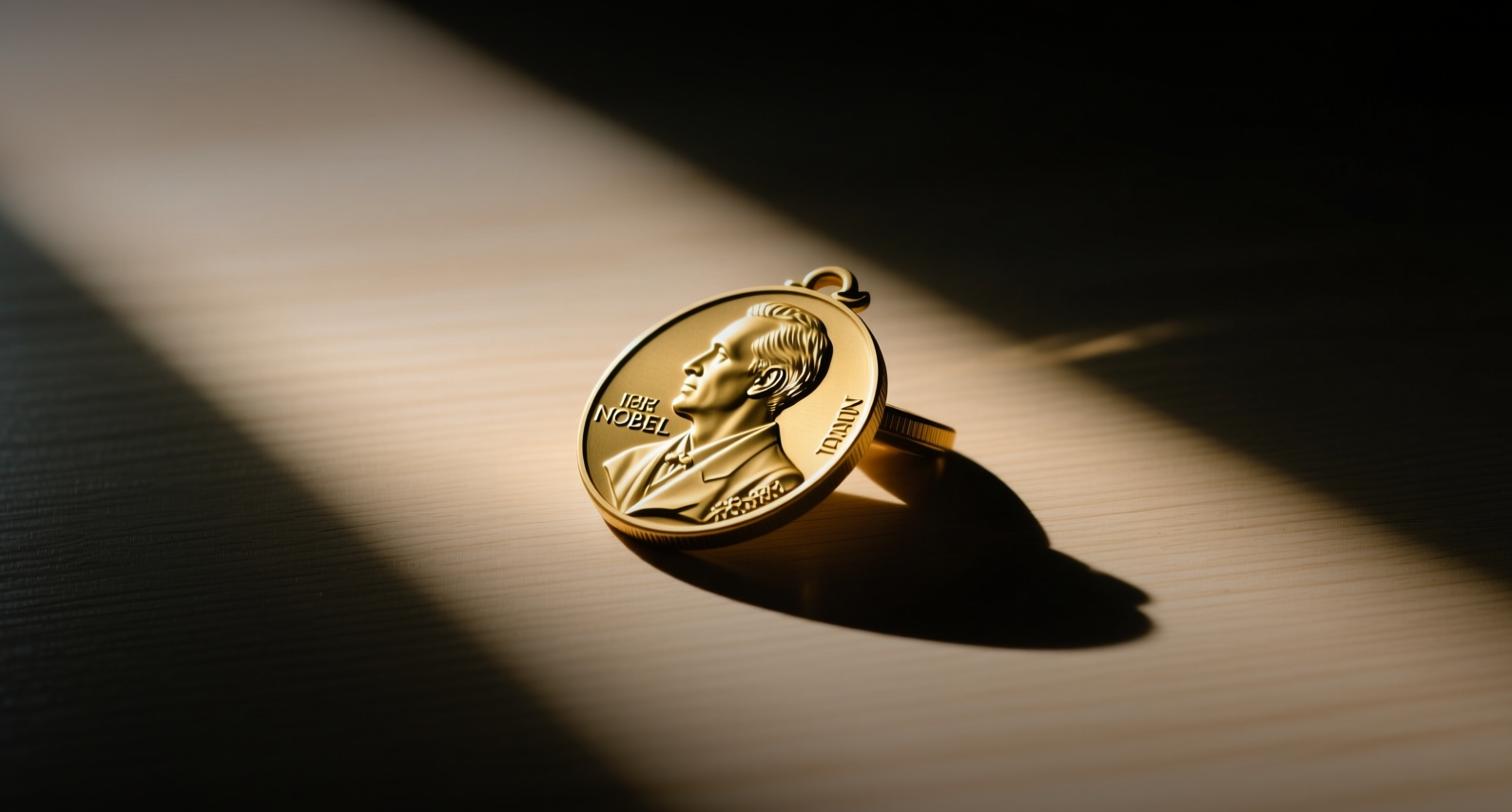
Machado, a Nobel Peace Prize laureate who fled Venezuela on Dec. 9 and later presented her medal to Trump, has pressed for elections as soon as next year. Her supporters argue that Washington's reliance on Rodriguez is untenable without laying groundwork for a democratic transition. The earthquake catastrophe, they say, made it "impossible to postpone" her return.
"Like any political leader, she has to be down there with her people and her voters," said Elliott Abrams, a former US diplomat who served as Trump's envoy for Venezuela. "That is generally true, but it's even more true when there's a national tragedy like this."
The earthquakes that struck Venezuela's coast on June 24 have killed 2,295 people, with 50,000 listed as missing, according to official counts. The UN has ordered 10,000 body bags. The disaster has tested the new relationship between Washington and Caracas, where many citizens believe the government has botched the relief effort.
A Fragile Political Arrangement
The US-backed interim government faces mounting criticism over its disaster response, with Machado's nationwide network of as many as 60,000 volunteers ready to help distribute water, food and supplies. US officials worry that her return could ignite a political crisis that would derail the recovery and threaten American business interests.
The last time Venezuela experienced a comparable political rupture — after Maduro's disputed 2024 election — oil production fell to multi-decade lows and hyperinflation accelerated, wiping out household savings. Any renewed instability could reverse the modest recovery that has attracted US companies to explore energy and mining deals.
For now, Machado remains in Panama, and US officials expect her to try again to enter Venezuela. The standoff leaves the Trump administration balancing its support for Rodriguez against the political reality that Machado commands the loyalty of millions of Venezuelans who view the interim government as illegitimate.
This article is for informational purposes only and does not constitute investment advice.
