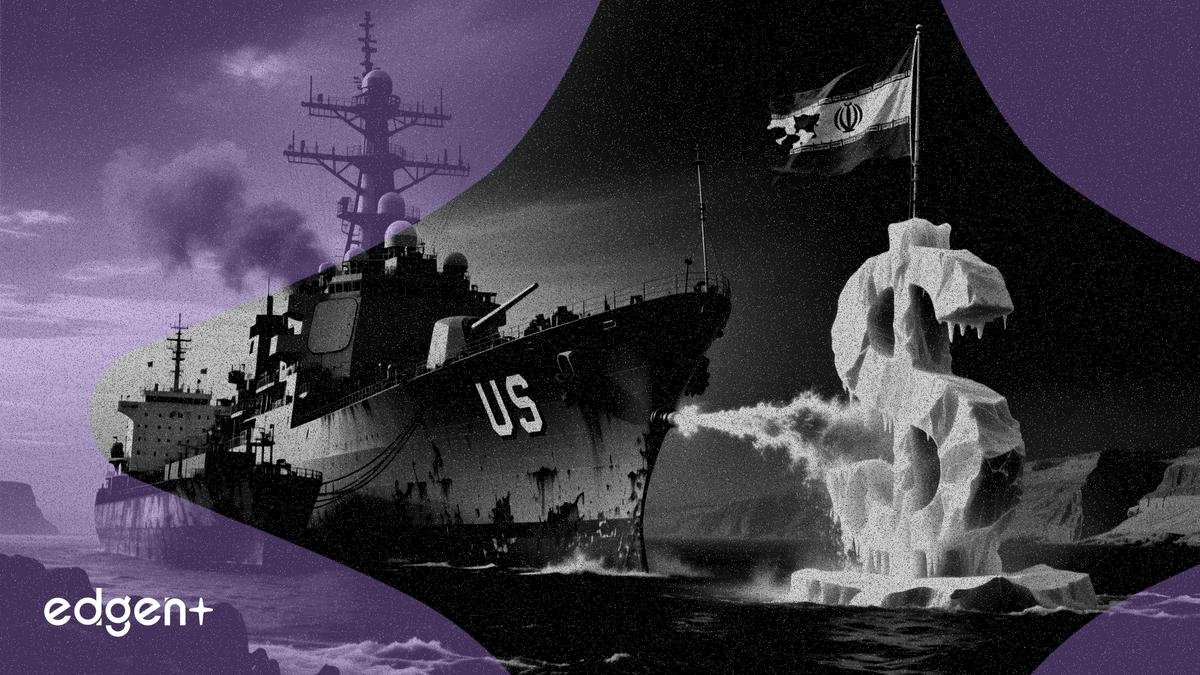
The U.S. military has turned a tactic once used by Iranian smugglers into a covert operation to keep Gulf energy exports moving after weeks of regional disruption.
The Pentagon has overseen scores of secretive ship-to-ship oil transfers in the Gulf, deploying aerial and water drones as well as helicopters to guide convoys of tankers to awaiting vessels, according to people familiar with the operation. The method mirrors a technique long employed by Iranian networks to evade sanctions and move crude under the radar.
"The U.S. is effectively using the same playbook that Iranian smugglers have relied on for years — just in reverse," said Helima Croft, head of global commodity strategy at RBC Capital Markets. "It underscores how far Washington is willing to go to prevent a supply crisis."
The operation comes after weeks of heightened military activity in the region. The U.S. and Iran recently agreed to halt hostilities and reopen the Strait of Hormuz, a deal that sent crude prices tumbling as traders priced in restored flows through the chokepoint that handles about a fifth of the world's daily oil consumption. Shippers, however, remain cautious about transiting the strait, with some still seeking additional security assurances before resuming normal routes.
At stake is the stability of global oil markets at a time when inventories are already stretched. The covert transfers provide a stopgap — ensuring crude reaches international buyers even as formal shipping channels remain partially disrupted. If the Hormuz reopening holds, the operation may wind down. If not, the U.S. has demonstrated it can sustain an alternative logistics chain, one built on the very tactics it once sought to dismantle.
The last time the strait faced a sustained closure — during the Iran-Iraq war in the 1980s — the U.S. launched Operation Earnest Will, reflagging Kuwaiti tankers under the American flag to protect them from attacks. The current approach, by contrast, relies on concealment rather than naval escort, reflecting both the evolution of drone technology and the political sensitivity of a visible military presence in the Gulf.
For oil markets, the immediate question is how quickly full Hormuz traffic resumes. Brent crude has already priced in a significant risk premium unwind following the U.S.-Iran deal, but any setback in implementation could reverse those gains. Traders are watching for the first major tanker to complete a full transit without incident as a signal that normal operations have resumed.
This article is for informational purposes only and does not constitute investment advice.