
The woman known only as "Freya" — a civilian diving instructor from Kyiv — may hold the key to the most consequential act of infrastructure sabotage in modern European history.
The woman known only as "Freya" — a civilian diving instructor from Kyiv — may hold the key to the most consequential act of infrastructure sabotage in modern European history.
The woman known only as "Freya" — a civilian diving instructor from Kyiv — may hold the key to the most consequential act of infrastructure sabotage in modern European history.
The September 2022 destruction of the Nord Stream pipeline network beneath the Baltic Sea tore through a $20 billion energy artery linking Russia and Germany, releasing an estimated 500,000 metric tons of methane in what scientists called the largest single human-caused methane emission event on record. Nearly four years later, German prosecutors have charged a retired Ukrainian military officer and issued secret arrest warrants for the entire seven-person crew of a chartered yacht called the Andromeda, according to court documents and investigative reporting by the Wall Street Journal.
"The female diver was not just bold — she seemed genuinely incapable of fear," a Ukrainian senior officer involved in planning the operation told the Journal, recalling why she was selected despite concerns about her lack of experience with rebreather equipment. The officer said a friend who knew her described her as "positively mad," to which he replied: "Good. I need someone mad for this operation."
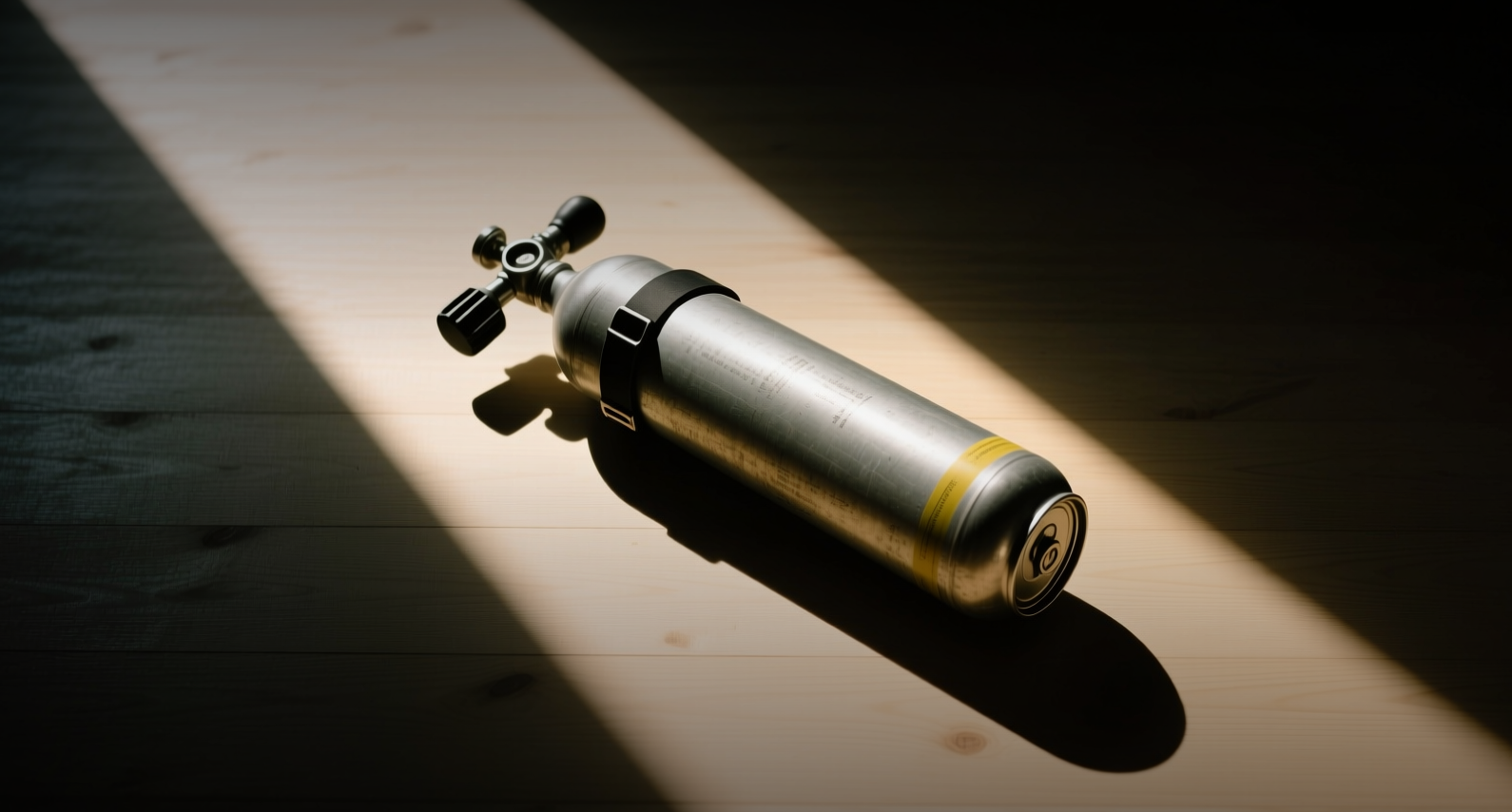
The sabotage team planted eight bombs on the Nord Stream 1 and Nord Stream 2 pipelines between Sept. 11 and Sept. 23, 2022, using diving cylinders modified to carry military-grade explosives. The charges detonated three days later, rupturing both lines of Nord Stream 1 and one line of Nord Stream 2, creating craters on the seabed and cutting off a system that had transported as much as 55 billion cubic meters of gas annually since 2011.
The case, set for trial in Hamburg this summer, threatens to strain relations between Berlin and Kyiv at a critical juncture. Germany has been Ukraine's second-largest military donor after the U.S., committing more than 28 billion euros in aid since February 2022. The trial could bolster Germany's pro-Russian opposition, which has already attacked the government's support for Ukraine, and complicate European energy security debates as the continent seeks to replace Russian gas supplies that once accounted for nearly half of EU imports.
German investigators traced the operation to the Andromeda after discovering the 50-foot yacht in dry dock on the German island of Rügen. Forensic teams found fingerprints, traces of explosives matching residues at the blast sites, blood samples, and a strand of hair allegedly linked to the female diver, according to German court documents. A traffic camera on Rügen captured photographs of suspected crew members, leading to the arrest warrants.
The retired Ukrainian officer, identified in German prosecutors' press release as Serhii K., was arrested in Italy in August 2025 and transferred to Germany in November. German court documents state there is a "high probability" that he and the other participants were acting on behalf of Ukrainian state authorities. Ukrainian President Volodymyr Zelensky has denied any knowledge of the operation, though a senior Ukrainian officer involved in the planning and three people familiar with the matter told the Journal that Zelensky was informed by then-commander-in-chief General Valeriy Zaluzhniy.
The Nord Stream destruction eliminated a pipeline system that cost an estimated $20 billion to build and represented decades of German-Russian energy interdependence. In July 2025, the European Union's 18th sanctions package formally prohibited the use of Nord Stream infrastructure, removing any near-term prospect of restoration. Technical assessments suggest repairing the network would require at least three years of intensive engineering work, even if political will existed — which it currently does not in Berlin or Brussels.
The geopolitical fallout extends beyond the courtroom. Reports indicate that during U.S.-led peace negotiations between Russia and Ukraine, Moscow insisted that reopening Nord Stream be part of any future settlement. A group of American investors, including individuals connected to Trump administration circles, explored purchasing Nord Stream 2, with Russian President Vladimir Putin reportedly expressing support for the idea as a way to shield future gas exports from sanctions.
For now, the pipelines remain dormant. The female diver, according to Ukrainian senior officers, has joined an intelligence unit and now trains personnel in advanced technical diving techniques. Her identity remains protected by Ukrainian authorities, and she is unable to travel outside the country due to Germany's outstanding arrest warrants.
This article is for informational purposes only and does not constitute investment advice.
