

Global investment banks are tightening prime-brokerage terms on Asian semiconductor stocks, a move that could force hedge funds to unwind leveraged long positions built during this year's rally.
Global investment banks are tightening prime-brokerage terms on Asian semiconductor stocks, a move that could force hedge funds to unwind leveraged long positions built during this year's rally.
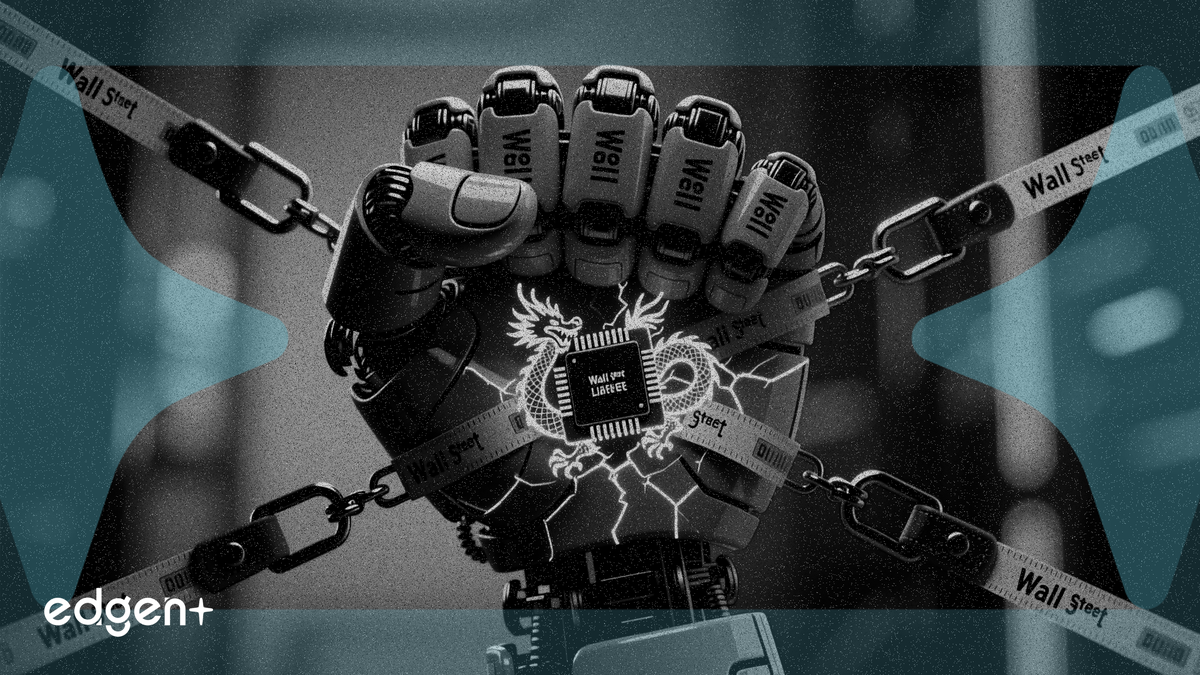
Global investment banks are tightening prime-brokerage terms on Asian semiconductor stocks, a move that could force hedge funds to unwind leveraged long positions built during this year's rally.
Citigroup, JPMorgan Chase and Goldman Sachs have raised financing costs on swap trades for SK Hynix and Samsung Electronics, according to people familiar with the matter, as this year's rally in Asian chip stocks stokes concern about a pullback.
Banks have tightened the size of new trades and are evaluating which counterparties to offer them to, with some declining new swap requests entirely or assessing them on a case-by-case basis, the people said. The restrictions extend to Taiwan Semiconductor Manufacturing Co., the region's largest chipmaker by market value.
The three banks join a growing list of prime brokers reassessing exposure to the semiconductor sector after a rally that has pushed valuations to multiyear highs. SK Hynix, a key supplier of high-bandwidth memory chips used in Nvidia Corp.'s AI accelerators, has more than doubled over the past 12 months. Samsung Electronics has gained about 30% in the same period, while TSMC has surged more than 80%.
The tightening threatens to cool one of the hottest trades in Asian markets this year. Hedge funds that piled into chip stocks through total return swaps — a form of leveraged financing that amplifies both gains and losses — may be forced to reduce positions if they cannot roll over existing contracts at favorable terms. A wave of deleveraging in the sector could spill over into broader Asian equity markets, where semiconductor names account for a significant share of benchmark index weightings.
Prime brokerage is a key revenue source for Wall Street's largest investment banks, but it carries counterparty risk. When a leveraged client cannot meet a margin call, the bank is left holding the collateral. The last major episode of prime-brokerage tightening occurred during the March 2020 Covid-19 selloff, when banks demanded additional collateral from hedge funds as volatility spiked, and again after the Archegos Capital Management collapse in March 2021, which cost Credit Suisse and other lenders billions of dollars.
For now, the restrictions are focused on swap-based leverage rather than outright share purchases. But the message from Wall Street's largest prime brokers is that after a year of extraordinary gains, the risk-reward in Asian semiconductor stocks has shifted. The semiconductor sector has been the primary driver of gains in Asian equity markets this year, with the Philadelphia Stock Exchange Semiconductor Index rising about 60% over the past 12 months. The AI boom has fueled demand for advanced chips, benefiting suppliers like SK Hynix and TSMC, but the rapid run-up has also drawn scrutiny from risk managers at prime brokerages.
If hedge funds are forced to deleverage, the impact could be most acute for SK Hynix, which has the highest valuation among the three stocks on a price-to-earnings basis. The stock trades at about 20 times forward earnings, according to data compiled by Bloomberg. Samsung Electronics trades at roughly 15 times forward earnings, while TSMC commands a premium of about 25 times.
This article is for informational purposes only and does not constitute investment advice.
