

The $5 billion acquisition of Hostess Brands was supposed to transform J.M. Smucker into a snacking powerhouse — instead, a 65-day shelf life and shifting consumer tastes turned the Twinkie deal into a cautionary tale for packaged-food M&A.
The $5 billion acquisition of Hostess Brands was supposed to transform J.M. Smucker into a snacking powerhouse — instead, a 65-day shelf life and shifting consumer tastes turned the Twinkie deal into a cautionary tale for packaged-food M&A.
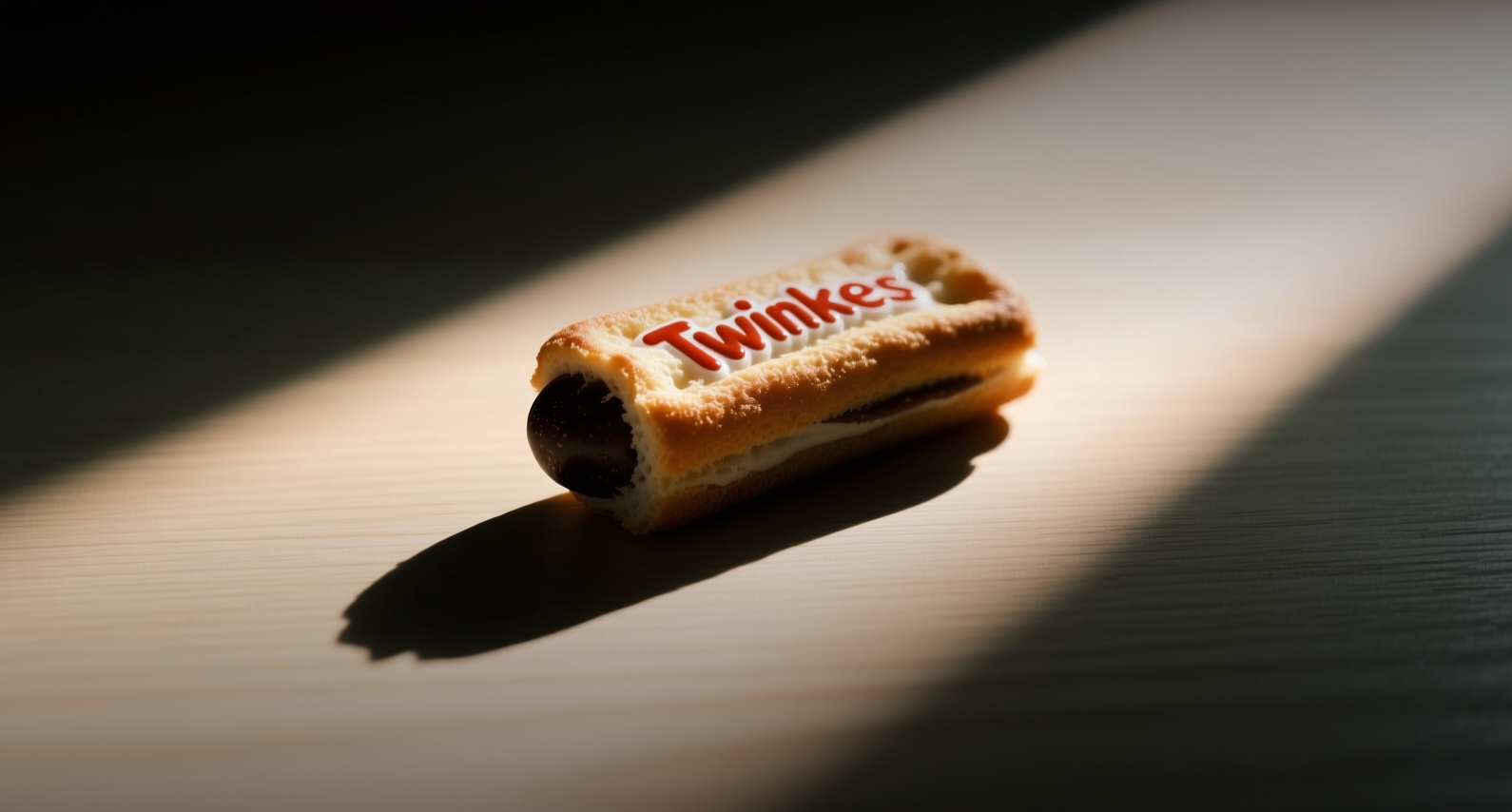
The $5 billion acquisition of Hostess Brands was supposed to transform J.M. Smucker into a snacking powerhouse — instead, a 65-day shelf life and shifting consumer tastes turned the Twinkie deal into a cautionary tale for packaged-food M&A.
J.M. Smucker Co.'s $5 billion acquisition of Hostess Brands Inc., the maker of Twinkies, has significantly underperformed, weighed down by the snack's 65-day shelf life and a broader consumer shift away from processed sugary foods, according to people familiar with the matter. The deal, which closed in late 2023, was meant to give the Ohio-based jam and coffee maker a foothold in the indulgent snack category, but operational hurdles and changing dietary preferences have eroded its expected returns.
"The shelf-life constraint created a supply-chain challenge that Smucker wasn't equipped to handle at scale," said David Palmer, a consumer staples analyst at Evercore ISI. "When you're competing with packaged goods that last six months to a year, a 65-day window leaves almost no room for error in distribution."
The 65-day shelf life of Twinkies — a product famously marketed as lasting indefinitely but in reality requiring rapid turnover — forced Smucker to overhaul distribution networks originally designed for its longer-lasting jams, coffee and pet food. Retailers pushed back on accepting large shipments, and stale-return rates ran higher than projected, multiple people said. The acquisition valued Hostess at roughly 14 times its then-EBITDA of about $360 million, a premium that reflected expectations of sustained growth in the sweet-baked-goods aisle.
That growth never materialized. U.S. consumers have steadily reduced sugar intake, with per-capita consumption of sweet baked goods declining about 3% annually since 2022, according to data from the U.S. Department of Agriculture. Hostess's revenue growth slowed to less than 2% in the fiscal year ended June 2025, well below the mid-single-digit trajectory Smucker had modeled during due diligence. Meanwhile, competitors such as Mondelez International Inc. and Kellanova have expanded their better-for-you snack lines, capturing shelf space that once belonged to legacy brands like Twinkies, Ho Hos and Ding Dongs.
The underperformance has weighed on Smucker's stock. Shares of the company have fallen roughly 12% since the deal closed, compared with a 6% gain in the S&P 500 Consumer Staples Index over the same period. The acquisition added about $3 billion in debt to Smucker's balance sheet, and the company has been slower than expected to deleverage, with net debt-to-EBITDA remaining above 3.5 times, according to S&P Global Ratings.
The Hostess deal was part of a wave of consolidation in the packaged-food industry, where legacy brands have commanded premium valuations despite stagnant volumes. Conagra Brands Inc.'s 2018 acquisition of Pinnacle Foods for $10.9 billion and Campbell Soup Co.'s $6.1 billion purchase of Snyder's-Lance in 2017 faced similar integration challenges, though both benefited from longer product shelf lives. The Twinkie case highlights a structural risk unique to fresh-packaged snacks: the tension between centralized manufacturing economics and the logistical demands of perishable goods.
For Smucker, the path forward is narrowing. The company has explored options including a potential divestiture of the Hostess business, though any sale would likely come at a discount to the original purchase price given the segment's underperformance, analysts said. Smucker's management has publicly committed to improving Hostess's supply-chain efficiency and expanding distribution into convenience stores and vending, where turnover is faster. The next earnings report, expected in August, will offer investors the first detailed look at whether those efforts are gaining traction.
The broader lesson for the packaged-food industry is that M&A premiums built on volume growth assumptions face heightened risk in a market where consumers are increasingly prioritizing fresh, low-sugar alternatives. As the Twinkie deal shows, even a beloved brand name cannot compensate for structural product limitations in a changing market.
This article is for informational purposes only and does not constitute investment advice.
