
More than a third of U.S. households expect their financial situation to deteriorate further, a New York Fed survey showed, as surging rent and food costs deepen consumer pessimism.
More than a third of U.S. households expect their financial situation to deteriorate further, a New York Fed survey showed, as surging rent and food costs deepen consumer pessimism.
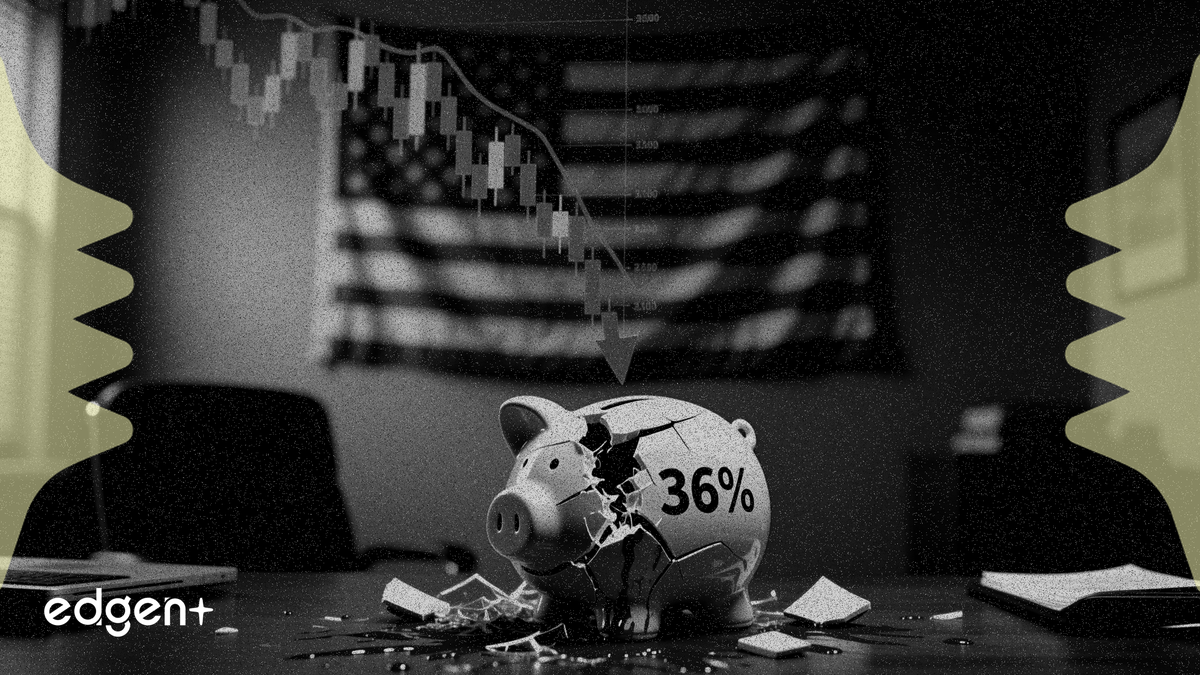
Over 13% of U.S. households reported being much worse off financially, while 36% expect further deterioration in the year ahead, according to the New York Fed's May Survey of Consumer Expectations.
"The persistent gap between inflation expectations and actual price relief is weighing heavily on household balance sheets, particularly for lower-income renters," said James Okafor, macro analyst at Edgen.
One-year inflation expectations edged down a tenth of a percentage point in May, while three- and five-year expectations held steady at around 3%, the survey found. Consumers also reported greater pessimism about their ability to find a new job if needed, even as they perceived a slightly lower probability of unemployment ahead. The Labor Department will release official May consumer inflation data Wednesday.
The divergence between sticky inflation expectations and deteriorating household sentiment poses a challenge for the Federal Reserve. If consumers pull back spending in response to financial strain, economic growth could slow more sharply than the central bank's current projections assume, potentially forcing rate cuts sooner than markets anticipate.
Rent and Food Costs Drive the Gloom
The survey's deterioration was concentrated among households citing rent and food as primary cost pressures. More than 13% of respondents said they are much worse off financially — the highest share since July 2022, when inflation peaked above 9%. That period followed four consecutive months of the survey showing similar levels of financial distress before the Fed began its most aggressive tightening cycle in decades.
The current reading suggests the cumulative effect of elevated prices, even as headline inflation has moderated from its 2022 peak. Core consumer prices have run above the Fed's 2% target for more than three years, eroding real wage gains and forcing households to draw down savings.
What It Means for the Fed
The data arrives as Fed officials debate the timing and magnitude of rate cuts this year. The central bank has held its benchmark rate at 5.25% to 5.5% since July 2023, after 11 rate increases totaling 5.25 percentage points. Overnight index swaps currently price about 50 basis points of cuts by year-end, implying roughly two quarter-point reductions.
A sustained deterioration in consumer sentiment could accelerate that timeline. Consumer spending accounts for about two-thirds of U.S. economic output, and any pullback would directly affect growth projections. The Atlanta Fed's GDPNow model currently estimates second-quarter growth at 2.7%, but that forecast could be revised lower if May retail sales data, due next week, show weakness.
The New York Fed survey also showed that consumers' expectations for year-ahead household income growth remained relatively stable, suggesting the pessimism is driven more by cost pressures than by income concerns. That distinction matters for policymakers: if households feel squeezed by prices rather than job insecurity, the remedy is lower inflation — not necessarily lower rates.
Wednesday's CPI report will provide the next key data point. Economists surveyed by Dow Jones expect headline inflation to rise 0.2% month over month in May, with the annual rate holding at 3.4%. A hotter-than-expected reading could reinforce the Fed's cautious stance, while a cooler print would bolster the case for earlier easing.
This article is for informational purposes only and does not constitute investment advice.
