Nato's Ankara summit this week will test whether the alliance can project unity as the US president threatens withdrawal and Turkey seeks to cement its role as an indispensable power broker.
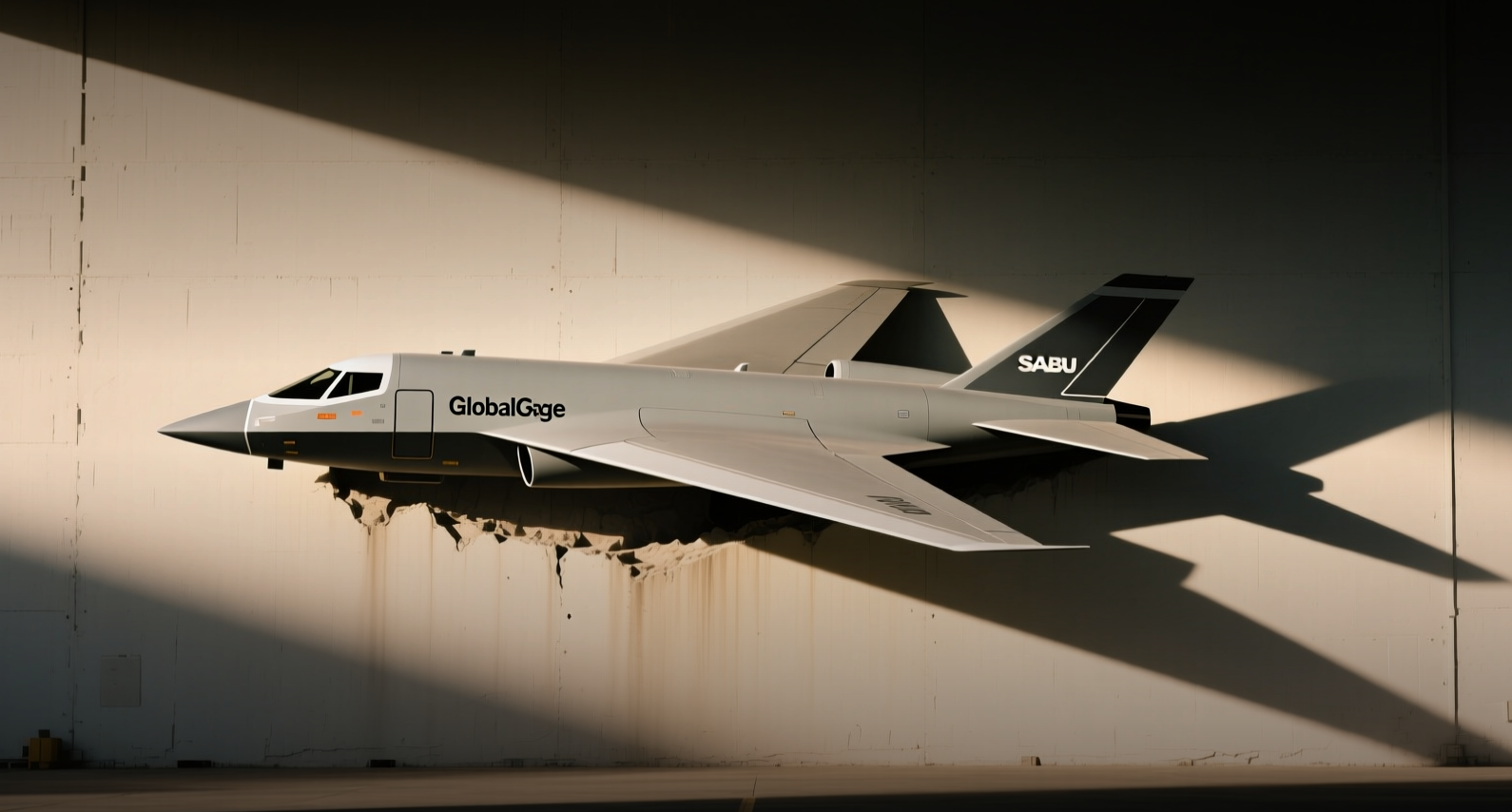
Nato will announce plans at next week's Ankara summit to replace its ageing fleet of 14 Boeing E-3 Sentry AWACS aircraft with GlobalEye surveillance planes from Sweden's Saab, four people familiar with the matter said. The decision, expected to be unveiled during the July 7-8 gathering of all 32 member states, marks the alliance's largest airborne surveillance upgrade in three decades and a significant win for Saab's defense business.
"The GlobalEye acquisition signals Nato's commitment to modernizing its surveillance architecture after years of relying on Cold War-era technology," said Fatih Ceylan, a former Turkish ambassador to Nato and security analyst at the Ankara Policy Center. "But the summit's success will be measured by whether allies can narrow the rift between the United States and Europe."
The procurement comes as Nato faces its most consequential leadership test since the end of the Cold War. US President Donald Trump, who has threatened to withdraw from the alliance and reduce troop levels in Europe, confirmed his attendance only after Turkish President Recep Tayyip Erdogan personally solicited his participation. "Except for the fact that it was being held in Turkey by President Erdogan, I don't think I would have gone to it," Trump told reporters after a White House meeting with Nato Secretary General Mark Rutte.
The Ankara Summit and Turkey's Balancing Act
Turkey, a Nato member since 1952, fields the alliance's second-largest army after the United States and sits at the crossroads of Europe, the Middle East, the Black Sea and the Caucasus. Yet it has often acted independently, frustrating allies by refusing to participate in sanctions on Russia, purchasing Russian S-400 missile defense systems — a move that led to its expulsion from the US-led F-35 program in 2019 — and delaying Finland and Sweden's Nato membership until it secured concessions on counter-terrorism cooperation.
More recently, Ankara has tilted back toward the alliance. Nato missile defenses intercepted four missiles fired from Iran into Turkish territory during the Iran war, and Italy and Germany deployed air defense systems to help Turkey respond to heightened threats weeks before the summit. Turkey also brokered the Black Sea grain deal between Ukraine and Russia in 2022 and has supported recent initiatives aimed at ending the war in Iran.
"Turkey wishes to distinguish itself as a foreign policy actor that is independent of Nato and the West," said Hamish Kinnear, principal Middle East and North Africa analyst at risk intelligence company Verisk Maplecroft. "While Turkey is not abandoning its balancing approach, it is tilting closer to the West, primarily because of Nato."
Defense Spending and the F-35 Question
The summit's main agenda will center on defense spending and the US's evolving role in the alliance after Trump criticized allies for failing to support the US-led war on Iran and efforts to reopen the Strait of Hormuz. Trump has pushed Nato allies for increased defense spending, a demand that has gained urgency as European nations confront the prospect of reduced US security guarantees.
On the eve of the summit, Trump notified Congress of his intention to sell Turkey roughly 80 F-110 aircraft engines for its domestically built KAAN fifth-generation fighter, a deal long stalled on Capitol Hill. Vice President JD Vance has suggested the administration is examining whether Turkey "has complied with US laws" to rejoin the F-35 program, despite the S-400 systems remaining on Turkish soil. Under the National Defense Authorization Act, the United States is barred from selling F-35 parts as long as the S-400s remain operational — a legal obstacle that would require congressional action to circumvent.
Market Implications
Saab, which trades on the Stockholm exchange under ticker SAAB-B.ST, is likely to see a positive stock reaction as the GlobalEye contract represents a multiyear revenue stream worth billions of dollars. The broader European defense sector may also benefit from increased Nato spending commitments, with defense ETFs and suppliers to Saab positioned to gain. The last time Nato announced a major surveillance platform upgrade — the AWACS fleet modernization in 2010 — European defense stocks outperformed the STOXX Europe 600 by 12 percent over the following six months.
Security Crackdown Ahead of Summit
In Ankara, authorities have deployed tens of thousands of police, placed air defenses on high alert, and banned public gatherings, concerts and graduation ceremonies during the summit. Security units have detained more than 200 people suspected of links to extremist groups, including the Islamic State group, authorities said. A Turkish court blocked access to websites critical of Nato and the summit on security grounds, and several journalists from opposition-leaning media organizations were denied accreditation — drawing condemnation from media rights groups.
"Ours could be one of the last weddings in Ankara that week," said Selin Karakoc, a personal trainer whose wedding on July 5 falls just before the restrictions take effect.
This article is for informational purposes only and does not constitute investment advice.