
Luxury handbag sales have fallen nearly 10% from their 2023 peak, creating an $8 billion annual spending hole as shoppers shift toward vintage and resale.
Luxury handbag sales have fallen nearly 10% from their 2023 peak, creating an $8 billion annual spending hole as shoppers shift toward vintage and resale.
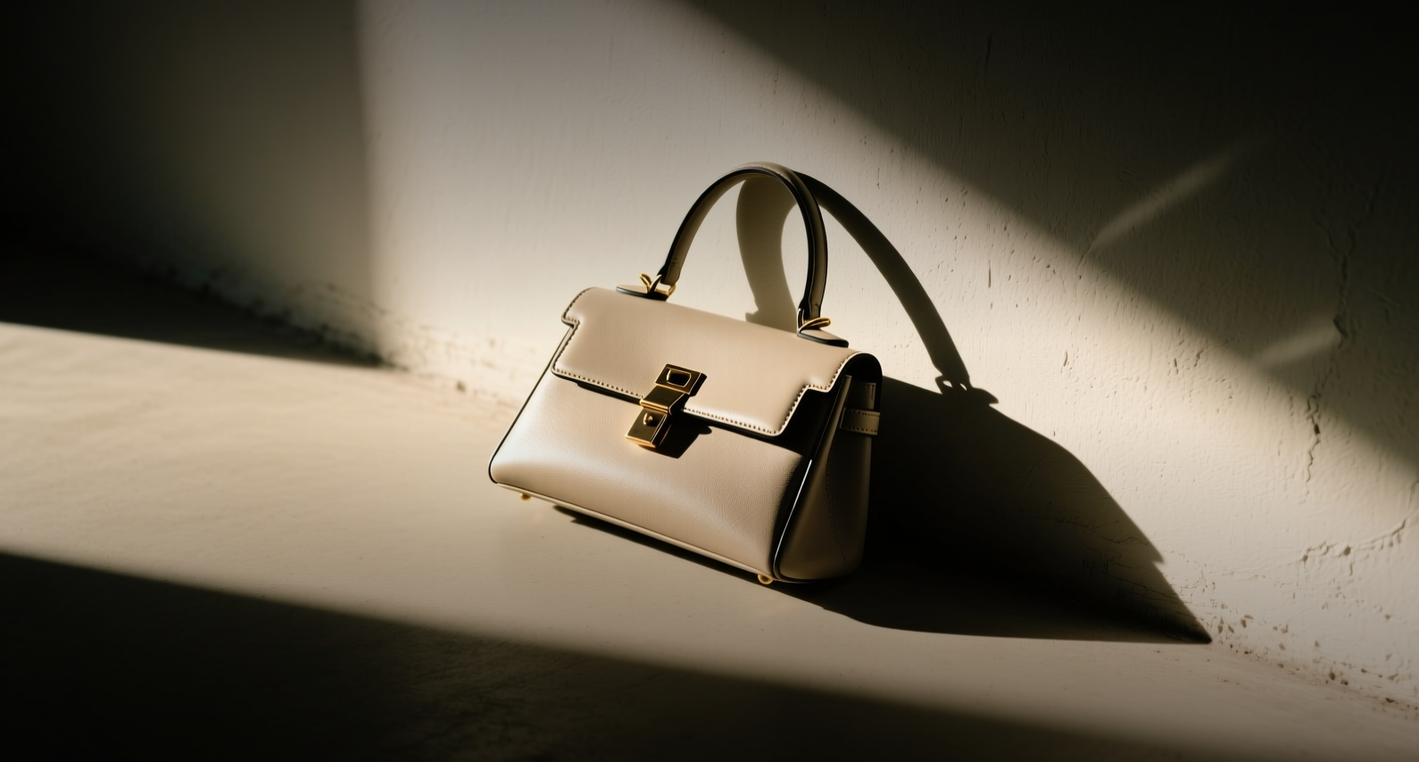
Luxury handbag sales have fallen almost 10% from their 2023 peak, an $8 billion annual decline driven by shifting consumer preferences toward vintage and resale.
"You are selling the promise of exclusivity. Anything that creates visibility is not necessarily good," Luca Solca, luxury goods analyst at Bernstein, said.
The slowdown follows years of aggressive price increases during the pandemic. Luxury companies released 80% fewer new bags between 2023 and 2025 than they did between 2016 and 2019, Bain & Company data shows. Demand has shifted to the secondhand market: sales of luxury handbags rose 20% since 2023 on The RealReal, and searches for vintage bags surged 131% in May compared with the same month last year, the resale platform said.
Handbags are the profit engine for Europe's biggest luxury groups. Last year, handbags accounted for 44% of Hermès' group sales, 65% at Saint Laurent and 77% at Bottega Veneta. The share prices of LVMH, Kering and Hermès have fallen 27% on average since the start of 2024.
Innovation vs. Oversaturation
Chanel's recent makeover under designer Matthieu Blazy shows demand for new luxury handbags remains strong when the design is right. The privately owned brand has refreshed 74% of its handbag offer, Bernstein analysis shows, and sold-out models trade at steep premiums on resale websites.
But social-media feeds flooded with images of once-scarce bags like the Hermès Birkin and Chanel Classic Flap have eroded the exclusivity that underpins luxury pricing, Solca said.
Vintage is gaining popularity because of growing disenchantment with mass-produced luxury, said Silvia Bellezza, an associate professor of marketing at Columbia Business School. Consumers perceive older bags to be better quality, and buying vintage requires knowledge of fashion history — itself a new form of status display.
A Recurring Cycle
Luxury brands have navigated handbag slowdowns before. In 2015, sales stagnated as customers tired of heavily logoed designs, and a subsequent wave of innovation drove years of strong demand. The underlying appetite for status symbols remains intact, particularly among younger consumers who are "much more concerned about their image because of social media," said Perrine Desmichel, a professor at ESCP Business School in Paris.
The 27% average decline in luxury stocks since early 2024 already prices in some weakness, but the trajectory depends on whether brands can reignite demand for new products. Chanel's success suggests innovation can reverse the trend, though the shift toward resale and vintage may prove more structural. Investors will watch upcoming earnings from LVMH and Hermès for signs that new collections are winning back shoppers.
This article is for informational purposes only and does not constitute investment advice.
