

Key Takeaways:
- JPMorgan strategist Jason Hunter warns AI stock divergence mirrors 1999 pattern
- AI hardware stocks are rallying while hyperscaler names lag behind
- The dot-com bubble burst less than a year after a similar split emerged
Key Takeaways:
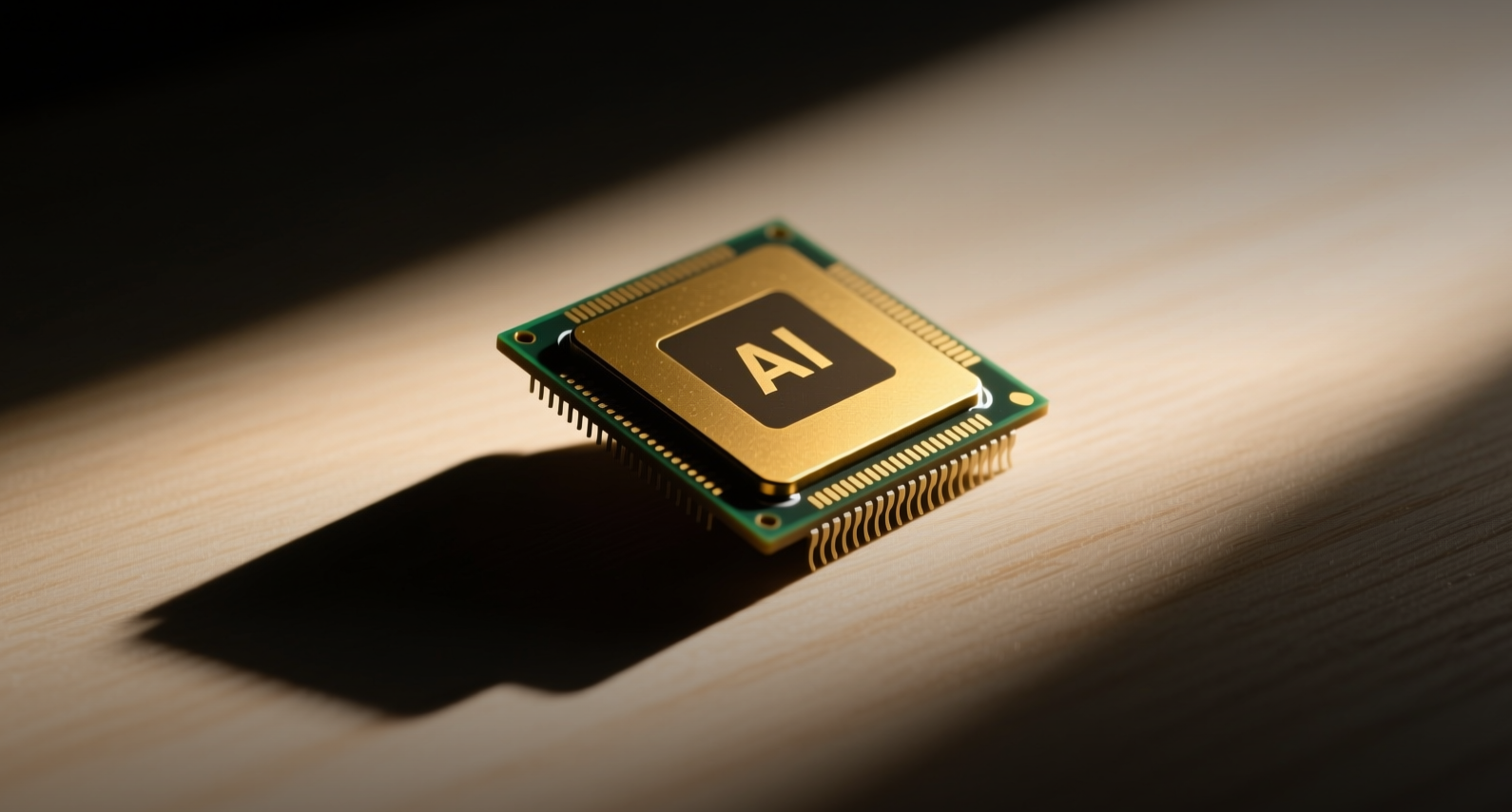
AI hardware stocks are rallying while big-tech AI investors lag, a divergence JPMorgan says preceded the dot-com crash.
AI hardware stocks are soaring while the hyperscalers investing billions in the technology lag, a divergence JPMorgan strategist Jason Hunter says mirrors the pattern before the dot-com bubble burst.
"The market's split between AI hardware suppliers and the companies making massive capital investments in AI is reminiscent of the divergence we saw in 1999," Hunter said in a report published Wednesday. "Back then, communication equipment providers went parabolic while the firms investing in that infrastructure collapsed from their peaks."
Hunter noted that hardware-focused AI stocks have surged even as hyperscaler names — Microsoft Corp., Amazon.com Inc., Alphabet Inc., and Meta Platforms Inc. — have failed to keep pace. The divergence echoes the 1999-2000 cycle when networking equipment makers such as Cisco Systems Inc. soared while the internet companies buying their gear began to falter. The dot-com bubble burst in early 2000, less than a year after that split first emerged, Hunter said.
The warning carries implications for portfolio positioning across the AI trade, which has driven a significant portion of the S&P 500's gains over the past two years. If the historical pattern holds, investors concentrated in either AI hardware or AI infrastructure names could face sharp reversals. Hunter's analysis suggests the divergence itself — not any single company's earnings — may be the most important risk signal for AI-exposed portfolios.
The AI trade has been one of the most crowded in equity markets, with investors piling into both semiconductor suppliers such as Nvidia Corp. and the hyperscalers spending tens of billions on AI infrastructure. But those two groups have begun moving in opposite directions, a fracture that Hunter said warrants close attention.
The pattern is particularly notable given the scale of capital deployment. Hyperscalers have committed more than $200 billion combined in AI-related capital expenditures for 2025 and 2026, according to company filings, yet their stock prices have lagged behind hardware suppliers that are seeing immediate revenue from AI chip demand.
A Historical Echo
Hunter's comparison to 1999 draws on a specific structural similarity. In the late 1990s, communication equipment providers — companies building the physical backbone of the internet — experienced parabolic price appreciation as demand for networking gear surged. Meanwhile, the internet companies themselves, which were spending heavily on that infrastructure, saw their shares peak and then decline well before the broader market topped in March 2000.
"The divergence was a leading indicator," Hunter wrote. "The companies selling the picks and shovels outperformed until they didn't, and the companies buying them never recovered."
What Comes Next
For investors, the key question is whether the AI hardware rally can sustain without support from the hyperscaler names that are the ultimate customers for those chips and data center equipment. If hyperscaler stocks continue to weaken, it could signal that the market is pricing in lower returns on AI investment, which would eventually pressure hardware demand.
The next major test for the AI trade comes during the upcoming earnings season, when hyperscalers are expected to report quarterly results and update their AI spending plans. Any signs of reduced capital expenditure guidance or softening demand commentary could accelerate the divergence — or trigger a convergence to the downside.
This article is for informational purposes only and does not constitute investment advice.
