Japan's first domestic rare earth recycling program highlights the deepening supply chain rift between Tokyo and Beijing.
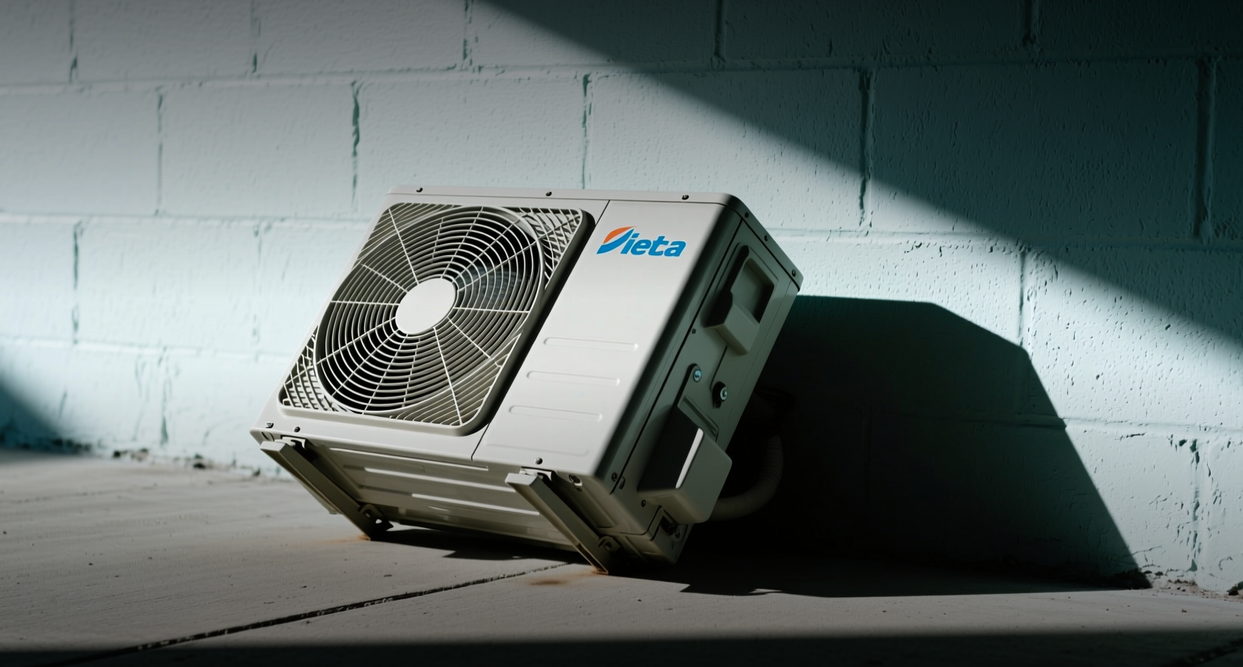
Mitsubishi Electric began extracting rare earth magnets from recycled household air conditioner compressors, Japan's first such domestic program, the company said July 4.
"This is a direct response to supply chain vulnerabilities exposed by China's export restrictions," said Jeremy Chan, senior analyst at Eurasia Group. "Japan does not want to seem weak internationally, but it fears that complaining publicly about Chinese pressure could invite further attacks."
China controls approximately 60 percent of rare earth mining, 91 percent of separation and refining, and 94 percent of permanent magnet production, according to US Geological Survey data. Beijing imposed rare earth export restrictions on Japan in January after Prime Minister Sanae Takaichi characterized any Chinese attack on Taiwan as an "existential crisis" for Japan. The curbs were among several retaliatory measures that also included bans on Japanese seafood and dual-use goods exports.
The recycling initiative signals a structural shift in rare earth supply chains as consuming nations seek alternatives to Chinese dominance. Japan's program remains small relative to China's tens of thousands of tonnes of annual processing capacity, but it reflects a broader push by Tokyo to secure critical mineral supplies through urban mining and recycling.
China's Rare Earth Leverage
China's export controls have expanded steadily since November. Beijing added 20 more Japanese entities to its export-control list this week, targeting drone makers, nuclear firms, and defense institutes, according to a statement from China's Ministry of Commerce. Chinese fighter jets have also locked missile-targeting radar on Japanese aircraft during interceptions near Okinawa, and Beijing circulated a formal letter at the United Nations stating that any Japanese military intervention involving Taiwan would be viewed as an "act of aggression."
The restrictions have left Japan scrambling for alternatives. Chinese rare earth export volumes to Japan fell sharply after the January curbs, though exact figures have not yet been disclosed. Japan's Ministry of Economy, Trade and Industry has been exploring supply diversification, including partnerships with Australia's Lynas Rare Earths and investments in Malaysian processing capacity.
Urban Mining Gains Traction
Mitsubishi Electric's program dismantles compressor units from discarded air conditioners and decomposes them to extract neodymium and praseodymium magnets — key inputs for EV motors, wind turbines, and defense systems. The company has not disclosed the expected annual yield from the program.
The approach mirrors efforts elsewhere. A US company recently recovered 99.9 percent pure rare earth oxides from secondary sources, according to a company statement. Malaysia, which holds an estimated 16 million to 18 million tonnes of ionic clay rare earth reserves valued at RM747 billion ($168 billion), is also developing processing capacity through Lynas's Kuantan facility and Chinese-linked operations. Lynas processes about 1,500 tonnes of refined ores annually at Kuantan, compared with China's processing capacity that runs into tens of thousands of tonnes.
This article is for informational purposes only and does not constitute investment advice.