


The Iran war is squeezing China's cross-border e-commerce giants as jet fuel costs surge and Western consumers pull back spending.
The Iran war is squeezing China's cross-border e-commerce giants as jet fuel costs surge and Western consumers pull back spending.
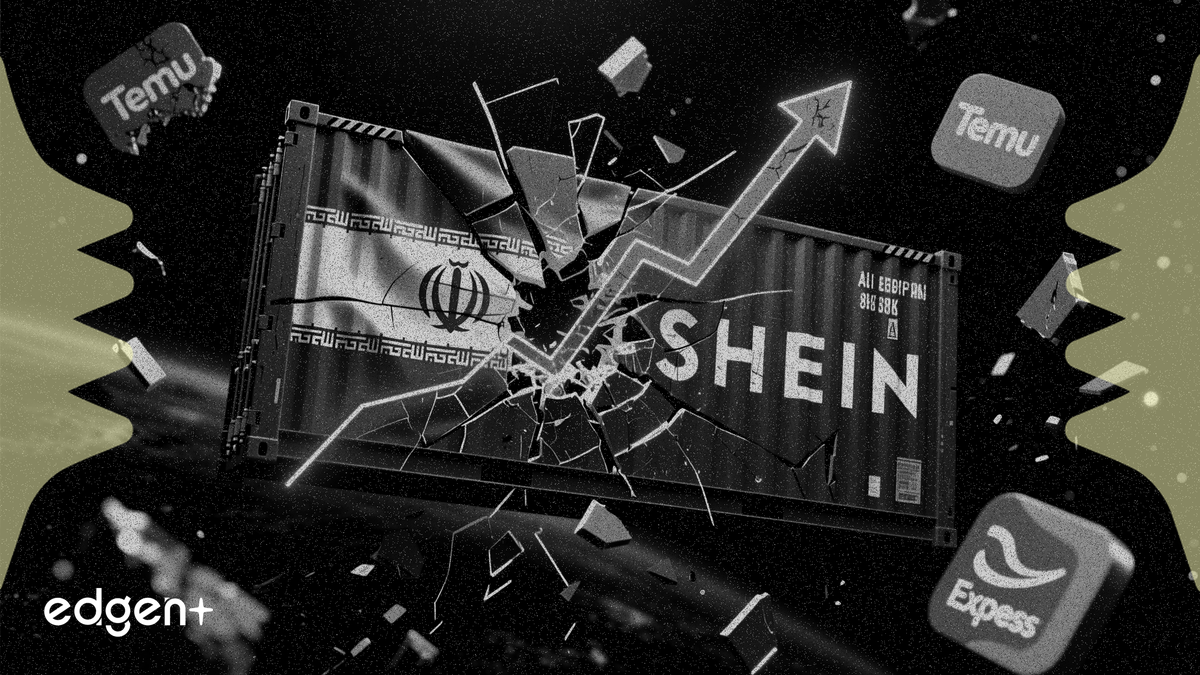
China's cross-border e-commerce export engine is stalling as the Iran war pushes jet fuel prices 36% above pre-conflict levels and erodes demand from lower-income Western consumers, threatening profit margins at Temu, Shein and AliExpress.
"The combination of higher air freight costs and weaker consumer spending is compressing margins across the sector," Alex Lee, an analyst at a Hong Kong-based research firm tracking Chinese e-commerce, said. "These platforms built their model on ultra-low-cost air shipping, and that advantage is eroding fast."
Brent crude has traded near $100 a barrel since late February, up from about $70 before the war, according to the International Energy Agency. The Strait of Hormuz, through which roughly one-fifth of global oil and gas previously flowed, has seen daily ship crossings collapse from about 100 to seven, ship-tracking data shows. Jet fuel, a refined product of crude, has tracked the rally, directly raising costs for platforms that rely on air freight for fast cross-border delivery.
The profit squeeze comes as U.S. inflation hit 3.8% in April, its highest level in almost three years, according to the Labor Department. Lower-income consumers — the core customer base for Temu and Shein's bargain-priced goods — are pulling back on discretionary spending as fuel and food costs rise. Moody's Analytics Chief Economist Mark Zandi warned Thursday that the U.S. economy "isn't just soft, it's struggling," adding that the Iran war "needs to end, and the Strait of Hormuz needs to be reopened soon, or recession will become more likely than not."
Air freight costs erode the ultra-fast delivery model
Temu, owned by PDD Holdings, and Shein have built their rapid growth on a logistics model that ships individual orders by air directly from Chinese warehouses to U.S. doorsteps in as little as five days. AliExpress, Alibaba's cross-border marketplace, uses a similar model for its faster delivery tiers. Air freight now accounts for a significant portion of their cost of goods sold, and the sustained fuel price rally is eating into already thin margins.
The cost pressure is compounded by weakening demand. U.S. consumer confidence has declined for three consecutive months, and retail sales data from April showed a 0.2% month-over-month drop, the first decline this year. For platforms selling $5 dresses and $10 electronics, even a small pullback in order volume has an outsized impact on unit economics.
Competitive pressure mounts as rivals adapt
The pain is not uniform across the sector. Amazon, which relies primarily on its own cargo fleet and ground delivery network, faces less direct exposure to commercial jet fuel prices. The company's domestic fulfillment infrastructure, built over two decades, gives it a cost advantage in last-mile delivery that Chinese cross-border platforms cannot match without building similar U.S. warehouse networks.
Temu has been investing in local warehouse partnerships to reduce air freight dependence, but the transition takes time and capital. Shein, which operates a more established supply chain, has begun raising prices on select items, a move that risks alienating its price-sensitive customer base. Alibaba's AliExpress, already the smallest of the three in the U.S. market, faces the additional challenge of competing with Temu's aggressive marketing spend.
For investors, the question is whether these platforms can maintain growth rates that justify their valuations. PDD Holdings trades at about 12 times forward earnings, while Alibaba trades at roughly 10 times — both below their five-year averages, reflecting the market's skepticism about near-term earnings power. If the Iran war persists through the second half of 2026, analysts expect further downward revisions to revenue and profit forecasts across the sector.
This article is for informational purposes only and does not constitute investment advice.
