

The World Gold Council's H2 outlook sees central bank buying and long-term investor demand limiting further downside after gold's 29% collapse from its January record.
The World Gold Council's H2 outlook sees central bank buying and long-term investor demand limiting further downside after gold's 29% collapse from its January record.
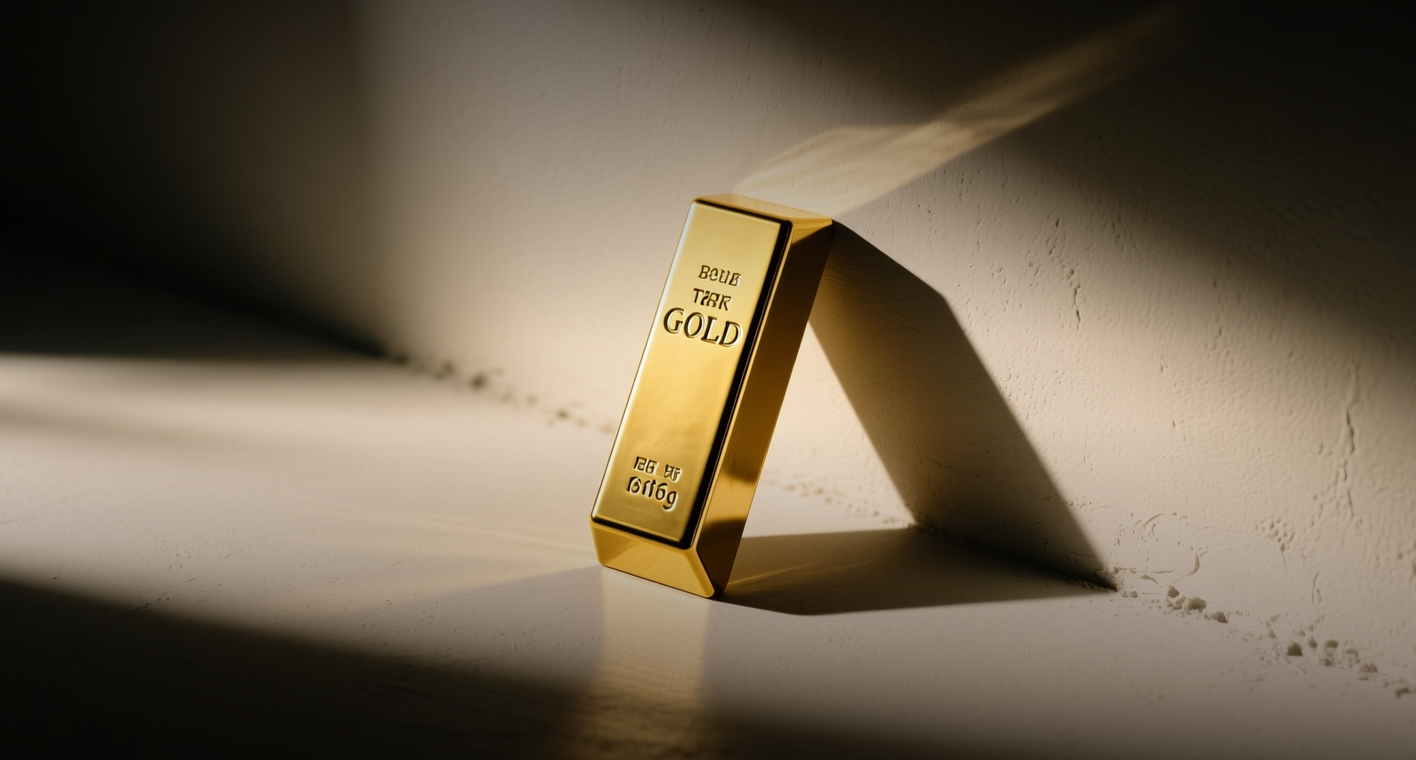
Gold traded near $4,050 per ounce, down 29% from its January record of $5,589, after the World Gold Council published its H2 2026 outlook on July 1.
A record 90% of central banks cited gold's performance during crises as a primary reason to hold the metal, and 45% plan to increase reserves over the next 12 months, according to the WGC's 2026 Central Bank Gold Reserves Survey published June 16. The survey covered 76 central banks, with 93% currently holding gold, up from 81% in the prior survey.
Central banks have averaged 1,000 tonnes of annual gold purchases over the past four years, double the pace of the previous decade. Goldman Sachs projects sovereign buying will average 60 tonnes per month through 2026, supporting its $4,900 per ounce year-end price target, according to Samantha Dart, co-head of global commodities research at the bank. The bank also maintains a $5,400 per ounce target for end-2027.
The metal has erased its entire 2026 gain after peaking at $5,589 in January, pressured by a hawkish Federal Reserve that has markets pricing in up to three rate hikes this year and a US Dollar Index near 13-month highs. The WGC said long-term investor allocations and continued sovereign purchases should limit downside risk, with the $3,960-$3,970 range providing near-term support.
Central Bank Buying at Record Pace
The WGC survey showed that 74% of central banks anticipate a moderate or significant decline in the dollar's share of global reserves over the next five years. The freezing of Russian sovereign assets in 2022 and recent Middle East conflict have reinforced gold's role as a sanctions-proof reserve asset, according to the report. Among central banks planning to increase holdings, 50% are sourcing gold through domestic purchases in local currency, while 38% are drawing on sales of other reserve assets.
Goldman Sachs revised its central bank demand model in May to account for gaps in UK trade data that had undercounted sovereign buying since August 2025. The bank now estimates unrecorded purchases added roughly 20 tonnes per month to actual demand, Dart said. The bank's earlier methodology had estimated central bank purchases at about 50 tonnes per month on a 12-month moving average basis, up from 29 tonnes under its previous model.
Macro Headwinds Cap Near-Term Gains
Despite the structural demand story, gold faces near-term pressure from a strengthening dollar and elevated rate expectations. The US Dollar Index traded near 13-month highs as capital flowed into dollar-denominated assets, while COMEX gold futures positioning reflected reduced speculative interest, according to exchange data. Spot gold found support in the $3,960-$3,970 range in late June before bouncing to current levels.
The metal remains 22% below its January peak and is down 6% year to date, compared with a 60% gain in 2025. Brief diplomatic breakthroughs between the US and Iran moderated some safe-haven demand, allowing investors to take profits from gold's January peak, according to market reports.
Major banks maintain constructive year-end targets. Goldman Sachs forecasts $4,900 per ounce by end-2026, while UBS has set a target above current levels, implying a rebound in the second half. The next signal for gold prices will be the Federal Reserve's July meeting, where markets will watch for any shift in the rate outlook.
This article is for informational purposes only and does not constitute investment advice.
