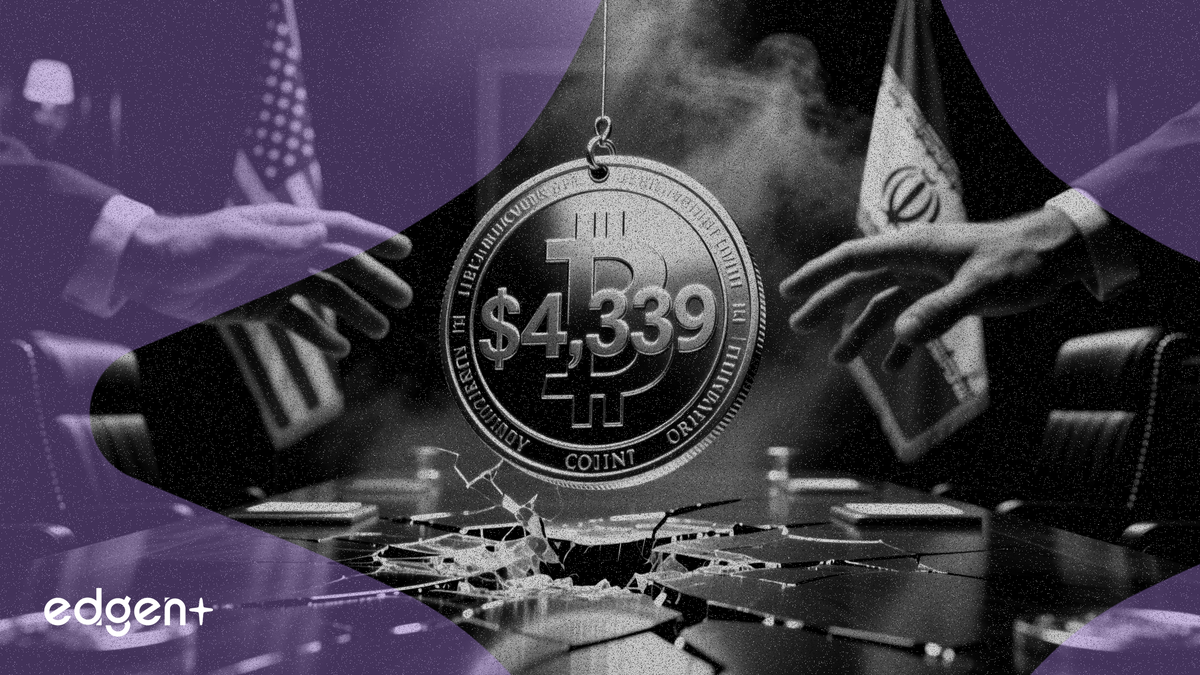
Gold futures slipped 0.3% to $4,339 a troy ounce in early trading, extending Monday's gains as the U.S. and Iran reached an interim peace deal set to be signed Friday.
"Among the base metals complex, aluminum was the most exposed to the conflict narrative given the concentration of smelting capacity and key seaborne trade routes linked to the region," analysts at Sucden Financial said.
LME three-month aluminum fell 0.8% to $3,356.50 a metric ton, down 5% on the week, as markets priced out part of the geopolitical premium. Spot gold edged up 0.1% to $4,310.11 in early Asian trade, ANZ Research analysts said. Oil prices tumbled almost 5% on the ceasefire news, while the S&P 500 rallied 1.9%.
The easing of supply concerns and lower oil prices tempered expectations for further interest-rate increases, with attention shifting to central-bank meetings this week including the Federal Reserve's first policy decision under new Chair Kevin Warsh.
A World Gold Council survey of 76 central-bank reserve managers showed 89% expect global gold holdings to continue growing over the next 12 months, pointing to sustained demand momentum for the yellow metal. Gold's performance during crises, portfolio diversification and inflation hedging were cited as top reasons for holding the asset, with emerging-market respondents also highlighting its role as a geopolitical risk hedge.
"More central banks are seeing gold as an active, strategic allocation during geopolitical uncertainty, and less as a legacy holding," Shaokai Fan at the World Gold Council said.
Aluminum's decline reflects a broader unwinding of war-related supply premiums. The metal had been the most exposed base metal to the conflict given the Middle East's concentration of smelting capacity and its position along key trade routes, Sucden Financial said.
The memorandum of understanding, mediated by Pakistan and Qatar, calls for the reopening of the Strait of Hormuz and a 60-day negotiation period on Iran's nuclear program and sanctions relief. The deal's text has not been released but is expected to be published after Friday's signing ceremony in Switzerland.
Gold at $4,339 an ounce is roughly 15% above its 2025 average. The Fed's rate decision Wednesday and the formal signing of the U.S.-Iran accord Friday will determine whether the metal can hold those levels.
This article is for informational purposes only and does not constitute investment advice.