
Gold's rally above $4,100 this week contradicts the macro forces that governed precious metals for most of the second quarter, raising the question of whether a structural regime shift is underway.
Gold's rally above $4,100 this week contradicts the macro forces that governed precious metals for most of the second quarter, raising the question of whether a structural regime shift is underway.
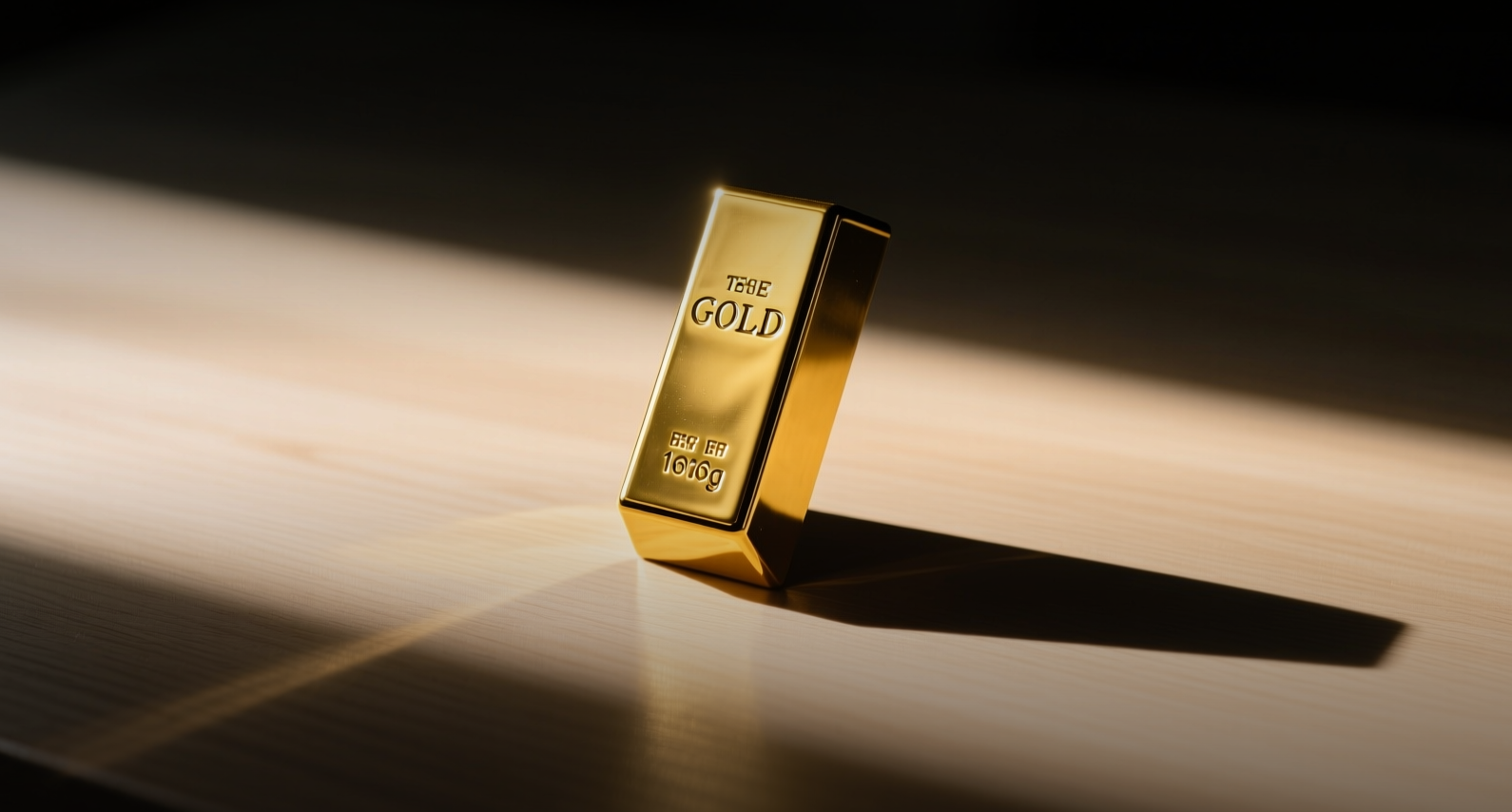
Gold's rally above $4,100 this week contradicts the macro forces that governed precious metals for most of the second quarter, raising the question of whether a structural regime shift is underway.
Gold climbed to $4,064.89 an ounce on July 21, up 1.5%, reclaiming the $4,100 level even as Brent crude traded above $92 a barrel, US 10-year Treasury yields rose to 4.63% and markets priced in a 71% probability of a Fed rate hike in September.
"The fact that all of these bearish inputs are moving in the same direction while precious metals continue rallying suggests investors may be assigning less weight to interest-rate dynamics than they did only a few weeks ago," analysts at ActionForex wrote in a July 22 note.
Silver joined the advance, climbing 4.8% to $59.11 an ounce, while platinum rose 1.9% to $1,624.88 and palladium added 2.3% to $1,281.75. The moves came as diplomatic efforts emerged — an Iranian official told Reuters that Tehran had received a proposal from mediators for a ten-day ceasefire between the United States and Iran — offering a potential path to de-escalation that could ease energy-driven inflation pressures.
The divergence matters because higher oil prices had consistently weighed on precious metals since the US-Iran conflict erupted earlier this year, with gold falling from its $5,598.38 peak to a low of $3,942.23. If the current rally holds, it would signal that investors are shifting from viewing the oil shock as purely inflationary to pricing in stagflation risks — a reinterpretation that would have broad implications for commodity allocations, currency markets and central bank policy expectations.
Silver's rally has been reinforced by physical market fundamentals. Global mine production is expected to hold roughly steady this year while demand keeps rising, with the structural silver market deficit projected at 46.3 million ounces, according to industry data. Mexico, the world's largest silver producer, is directly exposed to the price swings, with the rally lifting earnings for miners such as Grupo Mexico and boosting production value in states like Chihuahua.
Gold's break above $4,102.95 minor resistance suggests the decline from $4,202.87 likely completed at $3,959.42, just ahead of the $3,942.23 low. Further gains could target the 55-day exponential moving average around $4,262.15, with a decisive break above the 38.2% retracement of $4,889.24 to $3,942.23 at $4,303.98 providing stronger evidence of a lasting reversal. On the downside, a sustained break below $3,985 could expose $3,886, with a deeper correction toward $3,500 possible if the floor gives way.
This article is for informational purposes only and does not constitute investment advice.