
Key Takeaways:
- Gold rose in early Asian trade as central bank commentary turned less hawkish
- WGC sees gold rangebound near $4,100/oz with potential upside to $4,500
- Central bank buying and Indian demand remain key wildcards for the second half
Key Takeaways:
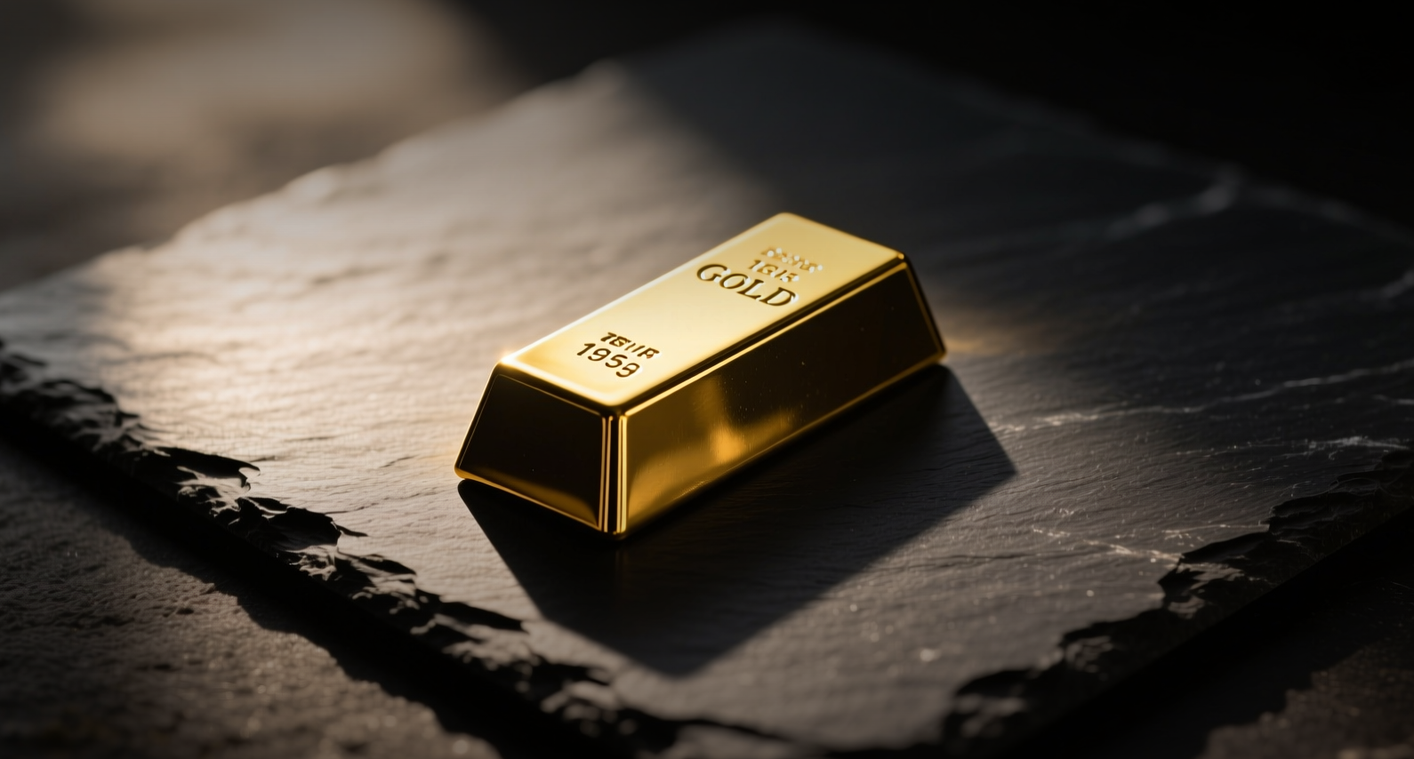
Gold rose in early Asian trade, supported by less hawkish commentary from central bankers and supportive economic data, ANZ Research said.
"At current levels, gold's price is broadly in line with a global backdrop of moderate growth, cooling but still elevated inflation, and expectations of further — but limited — central bank tightening," Juan Carlos Artigas, global head of research at the World Gold Council, said in the council's mid-year outlook.
Gold has fallen from a record $5,500/oz earlier this year to below $4,000 in late June, before recovering. The metal is down about 7% year-to-date, though it remains among the best-performing assets over the past 12 months. The WGC's Gold Valuation Framework suggests current prices are reasonably aligned with the macro consensus, with the metal likely to trade within a 5% range around $4,100/oz during the second half if conditions do not materially change.
Clear catalysts could reignite gold's momentum, the WGC said. A worsening economy, renewed geopolitical shock, a shift toward lower interest-rate expectations, or dip buying could lift gold back toward $4,500/oz or above. Conversely, resilient growth, rising yields, and calmer markets could push gold lower, though a decline of more than 10% from current levels would likely be tempered by bargain-hunting demand.
Central banks have been an important contributor to gold's performance, buying an average of 1,000 metric tons per year since 2022. While some central banks tactically sold or swapped gold in the first quarter, initial estimates suggest they will remain consistent net buyers this year. The WGC's Central Bank Gold Reserves Survey indicated continued appetite from the official sector, with an increasing proportion of reserve managers expecting to raise their gold reserves over the next 12 months.
India, gold's second-largest market with net demand of 800t per year, also presents a wildcard. The Indian government raised its gold import duty to 15% from 6% in April to conserve foreign exchange reserves as pressure mounted on the rupee. The WGC estimates the duty increase alone will reduce jewelry, bar, and coin demand by 50t to 60t, or about 10% year-over-year.
Gold's realized volatility spiked to more than 50% during its sharp price swing earlier this year but has since fallen below 30%, though it remains above its 20-year average of 17%. The WGC noted that gold volatility spikes tend to mean revert over time.
This article is for informational purposes only and does not constitute investment advice.
