


A fuel cell developer and an industrial giant are partnering to capture the data center power market, where AI workloads are projected to drive a surge in electricity consumption.
A fuel cell developer and an industrial giant are partnering to capture the data center power market, where AI workloads are projected to drive a surge in electricity consumption.
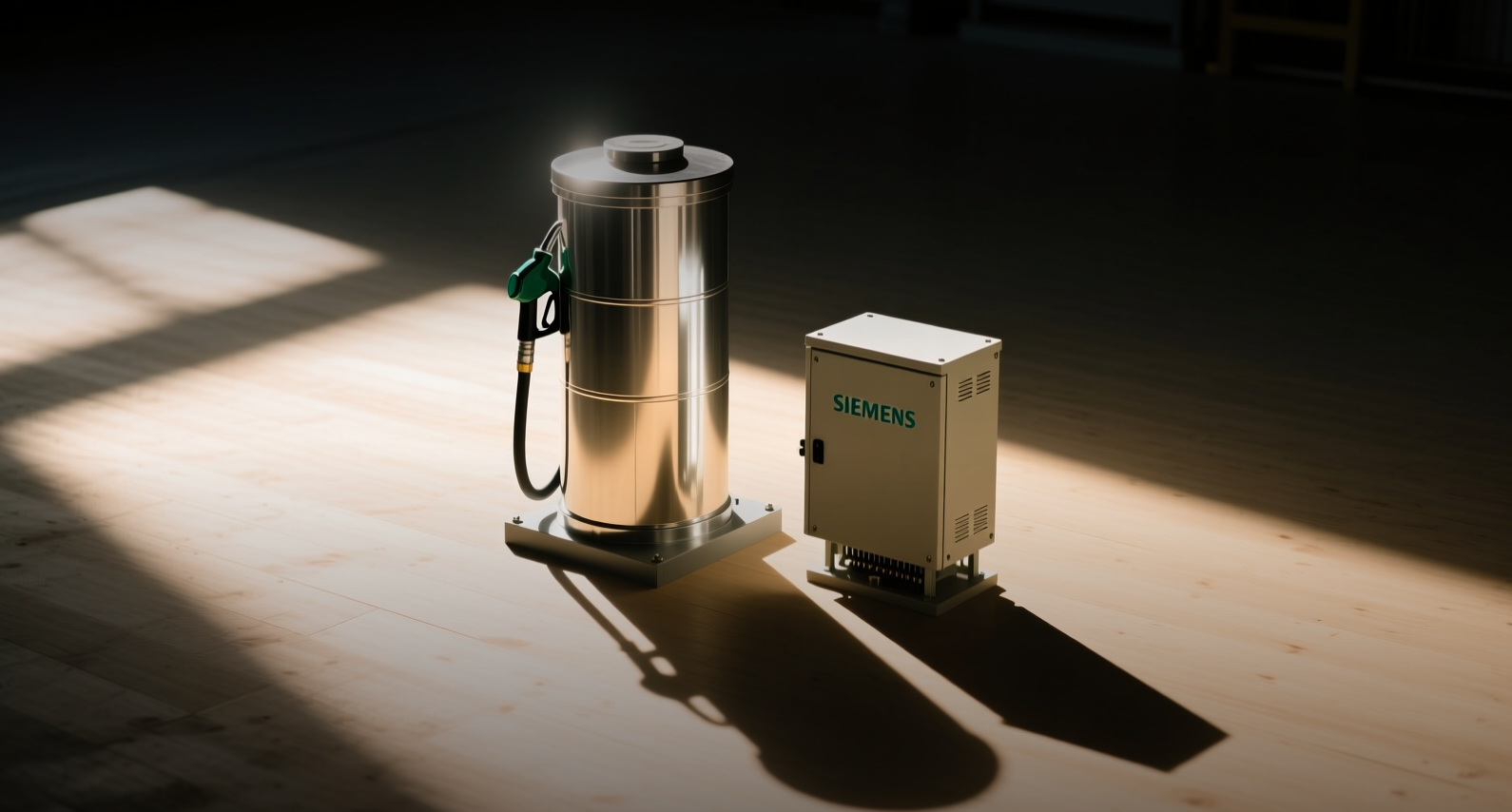
A fuel cell developer and an industrial giant are partnering to capture the data center power market, where AI workloads are projected to drive a surge in electricity consumption.
FuelCell Energy and Siemens are partnering to deploy fuel cell power systems exceeding 100 megawatts for data centers, targeting a market where AI-driven electricity consumption is straining grid capacity and pushing project timelines.
"This collaboration brings together Siemens' expertise in electrical infrastructure with our fuel cell technology to deliver reliable on-site power for mission-critical facilities," a FuelCell Energy spokesperson said in a statement announcing the memorandum of understanding.
Siemens will design and supply the electrical balance of plant systems for FCEL's fuel cell installations, with the combined solution supporting commercial projects above 100 MW. The partnership extends beyond fuel cells to include battery energy storage, microgrid control systems and medium-voltage electrical infrastructure, according to the companies.
FCEL shares surged on the news as the deal shifts investor focus from dilution concerns to the company's expanded market access through Siemens' global distribution network. The partnership positions both companies to capture a share of the data center power market, where AI workloads are projected to drive a surge in electricity consumption over the next decade.
The collaboration targets energy-intensive industries where traditional grid infrastructure struggles to keep pace with demand growth. Data center operators including Amazon Web Services, Microsoft and Google have all announced plans to secure dedicated power capacity for AI workloads, creating a market for on-site generation that bypasses grid interconnection queues that can stretch five to seven years in some regions.
Siemens contributes decades of experience in power system integration and automation, while FuelCell Energy brings continuous baseload fuel cell platforms designed for uninterrupted electricity supply. The companies plan to jointly develop distributed energy systems combining multiple technologies into a single integrated solution.
The partnership also includes pilot projects exploring medium-voltage DC power delivery and modular electrical systems that could simplify installation and improve scalability. Successful pilots are expected to transition into full-scale commercial deployments, with both companies identifying target markets and optimal deployment strategies.
For FuelCell Energy, the deal provides a distribution channel through one of the world's largest industrial conglomerates, potentially narrowing the gap with larger competitor Bloom Energy, which has already secured partnerships with data center operators. Bloom Energy's fuel cell systems are deployed at facilities for Google and other tech companies, giving it a first-mover advantage in the segment.
FCEL shares, which had faced pressure from equity dilution concerns earlier this year, rebounded on the partnership announcement. The company's Zacks Rank of #2 (Buy) reflects improving sentiment, while Siemens carries a Rank #3 (Hold). The partnership represents a validation of fuel cell technology as a scalable solution for the data center market, where natural gas turbines and grid connections have been the default options.
This article is for informational purposes only and does not constitute investment advice.