The cost of an American Fourth of July cookout climbed to a record $73.82 for 10 people, extending a three-year stretch of above-trend food inflation.
The American Farm Bureau Federation's annual marketbasket survey put the cost of feeding 10 people at $73.82, up $2.90 or 4% from a year ago, as ground beef and fresh fruit prices pushed the total to a record.
"Families across the country are dealing with higher prices for many expenses, including groceries," Faith Parum, an economist at the American Farm Bureau Federation, said. The survey's $7.38 per-person cost tracks closely with broader inflation, with the consumer price index rising 4.2% over the 12 months ending in May while food prices increased 3.1% during the same period.
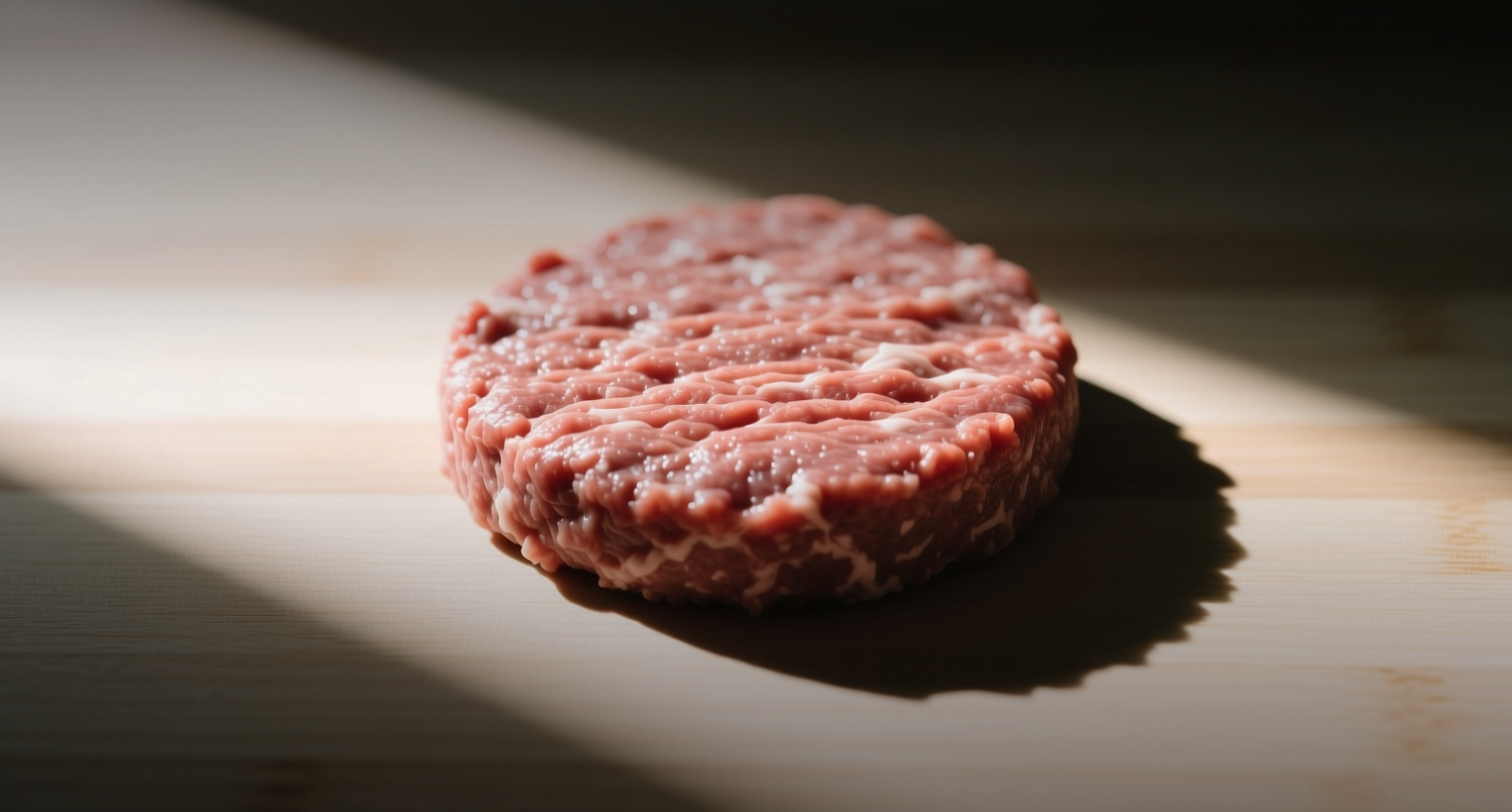
Ten of the 12 items tracked in the survey posted year-over-year increases. Ground beef, the centerpiece of most cookouts, rose 5.5% to $14.06 for 2 pounds, reflecting tight cattle supplies as ranchers continue rebuilding herds after years of drought. Strawberries surged 12.4% to $5.27 for 2 pints after a Florida frost damaged early-season crops, while pork and beans climbed 13.8% to $3.06, driven partly by higher aluminum can costs.
The data shows that food-at-home inflation, while moderating from its 2022 peak, remains sticky for staples tied to seasonal gatherings. Adjusted for inflation, cookout costs have stayed relatively stable in recent years and remain below the inflation-adjusted peak from 2022, Parum said. Still, the persistence of price increases across meat, dairy, and produce categories suggests grocery bills will remain elevated through the summer.
Ground Beef Leads the Charge as Herds Rebuild
Beef supplies remain the biggest wild card for cookout budgets. The U.S. cattle herd has been shrinking since 2019, with drought across the Plains forcing ranchers to cull breeding stock. Ground beef at $14.06 for 2 pounds marks the highest price the survey has recorded for the item. Pork chops rose 4.7% to $14.79 for 3 pounds, and chicken breasts climbed 3.5% to $8.06 for 2 pounds, meaning proteins alone account for roughly half the total cookout cost.
The farmer's share of the retail price remains thin. AFBF President Zippy Duvall said farmers are not necessarily benefiting from higher grocery prices, noting that "the farmer's share of the food dollar is around 6% after expenses." In Michigan, where the average cookout cost came in at $66.06 — about $7 below the national average — Theresa Sisung, commodity and regulatory relations manager at Michigan Farm Bureau, said transportation and fuel costs are adding pressure throughout the supply chain.
Regional Divergence and Consumer Behavior
Costs varied sharply by region. The West posted the most expensive cookout at $80, while the Northeast was the cheapest at $71.35. The Midwest averaged $71.45, helped by more direct farm-to-store supply chains for proteins, according to Todd Davis, chief economist at Indiana Farm Bureau. Indiana shoppers paid $66.73, down from $71.49 a year ago, bucking the national trend.
Consumers are already adjusting. Shoppers in Detroit told local media they are trimming menus, buying in smaller quantities, and checking weekly grocery ads more carefully to offset higher prices. Potato salad, which fell 17.8% to $2.91 after a healthy potato harvest and lower egg prices, and chips, down 4 cents to $4.76, offered two bright spots on an otherwise more expensive shopping list.
This article is for informational purposes only and does not constitute investment advice.