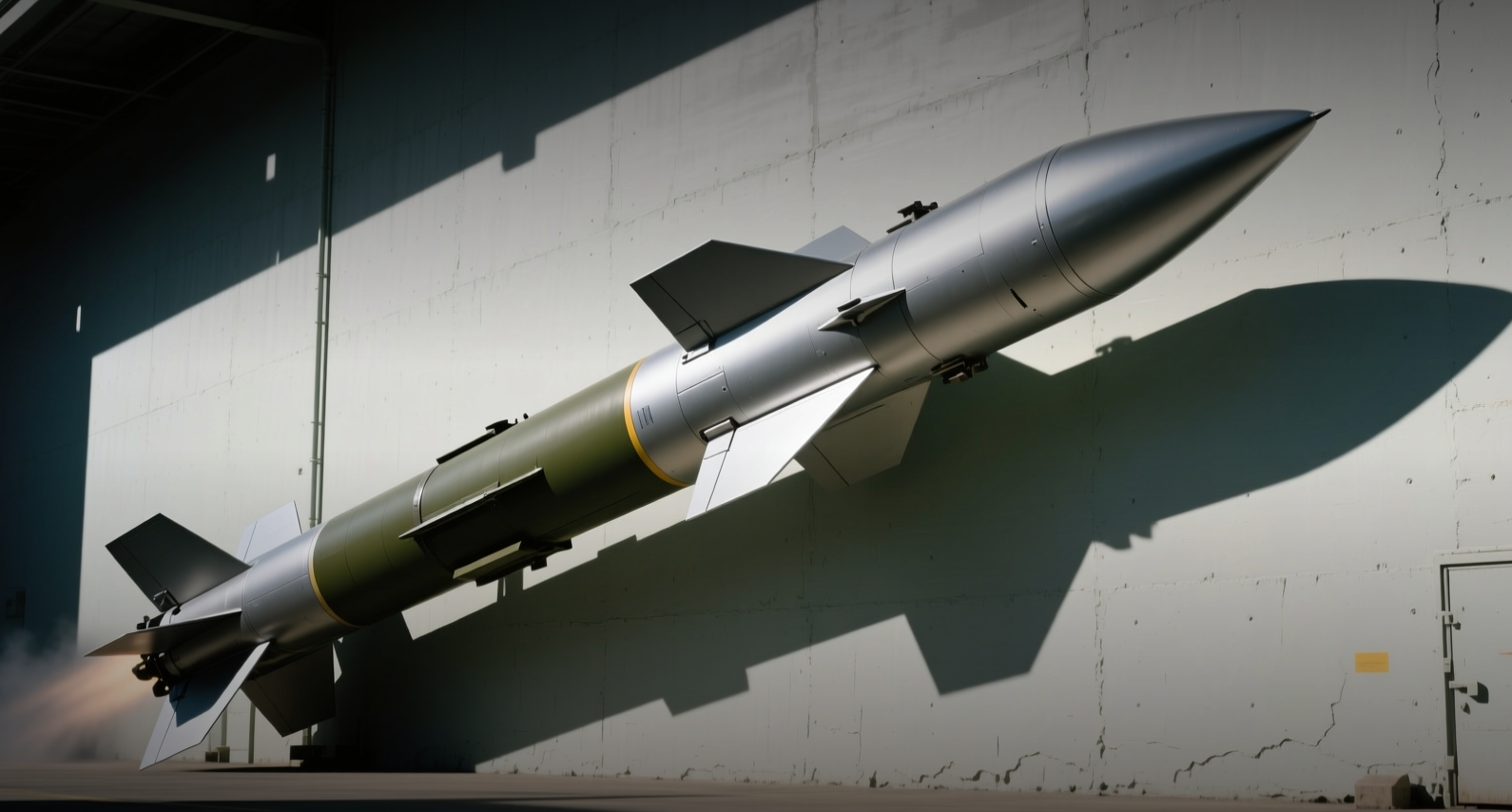
Beijing fired a submarine-launched ballistic missile into the South Pacific on Monday, triggering condemnation from Australia, Japan and New Zealand.
China's navy launched a submarine-launched ballistic missile into the South Pacific on Monday, the second such test in two years, drawing sharp criticism from three US allies concerned about Beijing's expanding military reach.
"The test is destabilizing to the region," Australian Foreign Minister Penny Wong told reporters in Fiji, where she signed a mutual defense treaty with Suva hours after the launch. "China's rapid military buildup lacks the transparency and reassurance as to intent that the region expects."
The missile, carrying a dummy warhead, was fired from a nuclear-powered submarine at 12:01 p.m. local time and landed in designated waters in the South Pacific, according to state-run Xinhua News Agency. Japan's government said it was advised by Chinese authorities on Sunday that debris could fall within its exclusive economic zone, though the missile ultimately landed outside it, Kyodo News reported. New Zealand, which was informed hours before the launch, noted the test occurred within the South Pacific Nuclear Free Zone established by the 1986 Treaty of Rarotonga — a pact China ratified in 1987.
The test highlights China's accelerating nuclear modernization. The Pentagon estimated in late 2025 that China's nuclear warhead stockpile reached about 600 in 2024, with the People's Liberation Army on track to field more than 1,000 by 2030. China operates six ballistic-missile submarines and 59 nuclear-powered attack submarines, according to the Nuclear Threat Initiative. The last such Pacific test in 2024 was Beijing's first in more than four decades.
Regional Alarm Grows Over China's Military Trajectory
Japan's Defense Ministry conveyed "serious concern" about the test, with Chief Cabinet Secretary Minoru Kihara citing Beijing's active military activities around Japan and its increased military spending. "China's military activities, combined with its lack of transparency, have become a grave concern for Japan and the international society," Kihara said.
New Zealand Foreign Minister Winston Peters called the launch an "unwelcome and concerning development." "We, like our neighbors in other Pacific countries, have no interest in China using the South Pacific as a testing site for missile capability," he said.
China's Ministry of Foreign Affairs dismissed the criticism, saying the launch was part of routine annual training, complied with international law and was not directed against any country. "We hope that the relevant countries will avoid overinterpretation," a ministry spokesperson said.
Market Implications for Defense, Safe Havens
The geopolitical friction is likely to boost defense and aerospace stocks globally, particularly in the US, Japan and Australia, as governments reassess regional security risks. Safe-haven flows may strengthen the US dollar and push gold prices higher, while Taiwan-sensitive semiconductor stocks such as Taiwan Semiconductor Manufacturing Co. could face increased volatility. The last time China conducted a comparable Pacific missile test in 2024, the S&P 500 aerospace and defense index rose 3.2 percent over the following month, while the VIX climbed 1.8 points.
The timing of the test — coinciding with the Australia-Fiji defense treaty signing — signals Beijing's willingness to project power as Washington and its allies deepen Pacific security ties. Drew Thompson, senior fellow at the S. Rajaratnam School of International Studies at Nanyang Technological University in Singapore, said the concern stems from a lack of clear information. "China's military modernization and buildup have occurred without concurrent increases in openness and transparency, resulting in uncertainty about China's intentions," he said.
This article is for informational purposes only and does not constitute investment advice.