
China's State Council unveiled its most comprehensive environmental blueprint yet, targeting carbon peak by 2030 through 7 priority task areas and major engineering investments.
China's State Council unveiled its most comprehensive environmental blueprint yet, targeting carbon peak by 2030 through 7 priority task areas and major engineering investments.
China's State Council unveiled its most comprehensive environmental blueprint yet, targeting carbon peak by 2030 through 7 priority task areas and major engineering investments.
China's State Council issued its 15th Five-Year Plan for Building a Beautiful China on July 3, setting 2030 targets for carbon peak achievement and comprehensive ecological improvement across 7 priority task areas.
"Green production and lifestyle patterns will be basically formed, with carbon peak targets achieved on schedule and major pollutant emissions continuing to decline," the State Council said in the plan document published by Xinhua.
The plan targets comprehensive improvement of solid waste management capabilities, continuous enhancement of ecosystem diversity and stability, and significant improvement of urban and rural living environments by 2030. It outlines major engineering projects spanning air pollution control, water ecosystem restoration, marine ecological protection, soil pollution prevention, industrial solid waste comprehensive utilization, and new pollutant collaborative treatment.
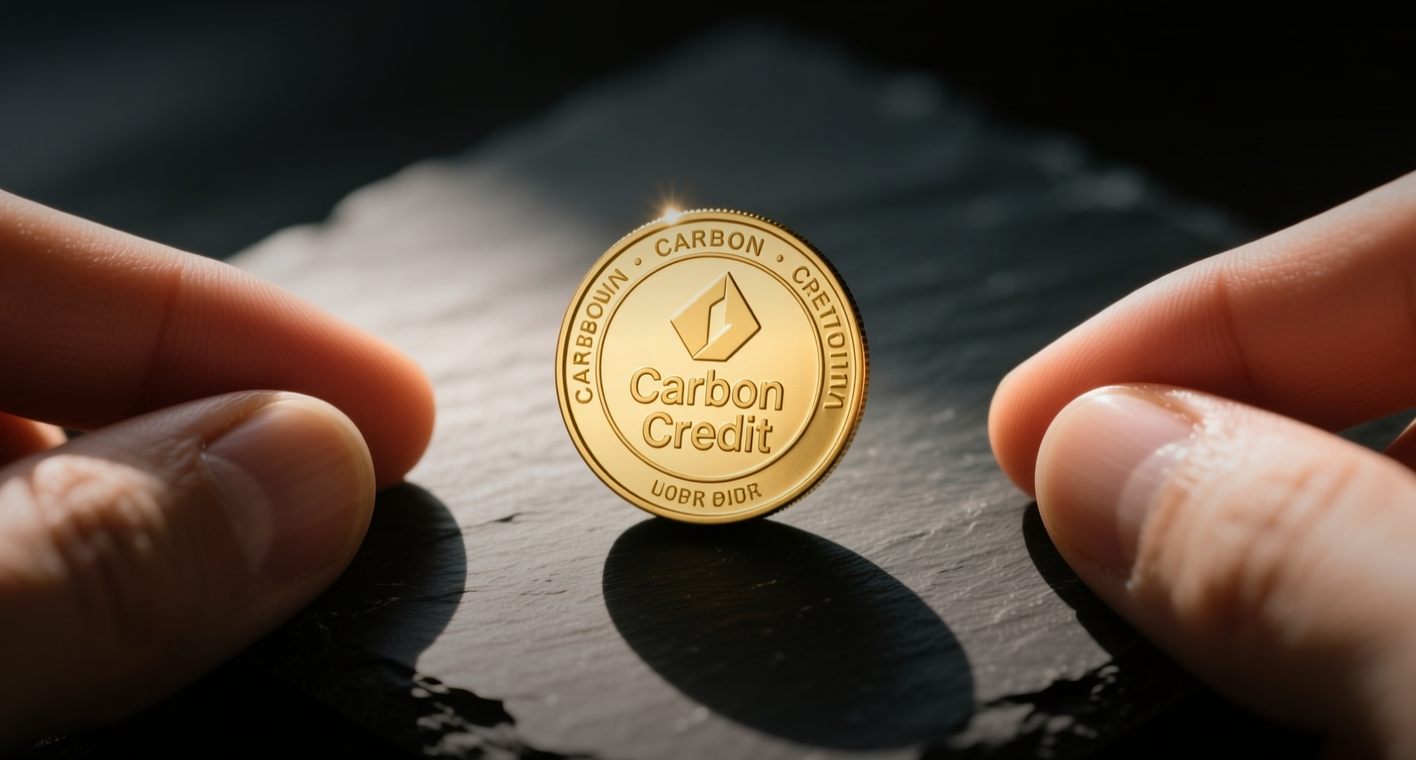
The plan provides long-term policy visibility for investors in China's green technology, renewable energy, carbon capture, and waste management sectors, with capital flows expected to accelerate toward companies aligned with the 7 priority areas. Carbon credit markets and related trading platforms may also see a boost as the plan's specificity on 2030 targets creates a clear regulatory pathway.
China's forest cover has already expanded from 12 percent in 1949 to approximately 23 percent in 2021, according to the National Forestry and Grassland Administration, with forest ecosystems now absorbing an estimated 1.6 billion metric tons of CO2 annually. The new plan builds on this foundation by integrating pollution control, carbon reduction, ecological expansion, and economic growth into a unified framework — a shift from previous Five-Year Plans that treated environmental targets as separate from industrial policy.
The plan's emphasis on solid waste comprehensive treatment and new pollutant collaborative governance signals regulatory tightening for chemical manufacturers, industrial processors, and heavy industry. Companies in environmental monitoring equipment, waste-to-energy, and carbon trading infrastructure are likely to see policy-driven demand increases, while high-emission industries face rising compliance costs.
Cross-Asset Implications for Global Investors
For global investors, the plan reinforces China's long-term commitment to decarbonization even as near-term economic growth concerns persist. The CSI 300 index's clean energy and environmental protection sub-sectors have historically outperformed the broader market in the 3 to 6 months following major policy announcements, according to data from China Securities Index Co. The offshore yuan (CNH) and onshore yuan (CNY) may see support from sustained capital inflows into green bond markets, which China has been expanding as part of its broader financial system opening.
Historical Context and Forward Path
The 15th Five-Year Plan represents an escalation from the 14th Five-Year Plan (2021-2025), which first established the Beautiful China framework but lacked the specific engineering project mandates now included. The previous plan's environmental targets were largely met or exceeded, with China achieving its 2030 carbon intensity target 3 years ahead of schedule in 2027, according to the Ministry of Ecology and Environment. The new plan's addition of solid waste and new pollutant treatment as standalone priority areas reflects Beijing's recognition that air and water gains must be complemented by comprehensive lifecycle environmental management.
This article is for informational purposes only and does not constitute investment advice.
