

China's launch of a nuclear-capable ballistic missile into the South Pacific on Monday triggered a broad risk-off shift across Asian markets and drew condemnation from three US allies.
China's launch of a nuclear-capable ballistic missile into the South Pacific on Monday triggered a broad risk-off shift across Asian markets and drew condemnation from three US allies.
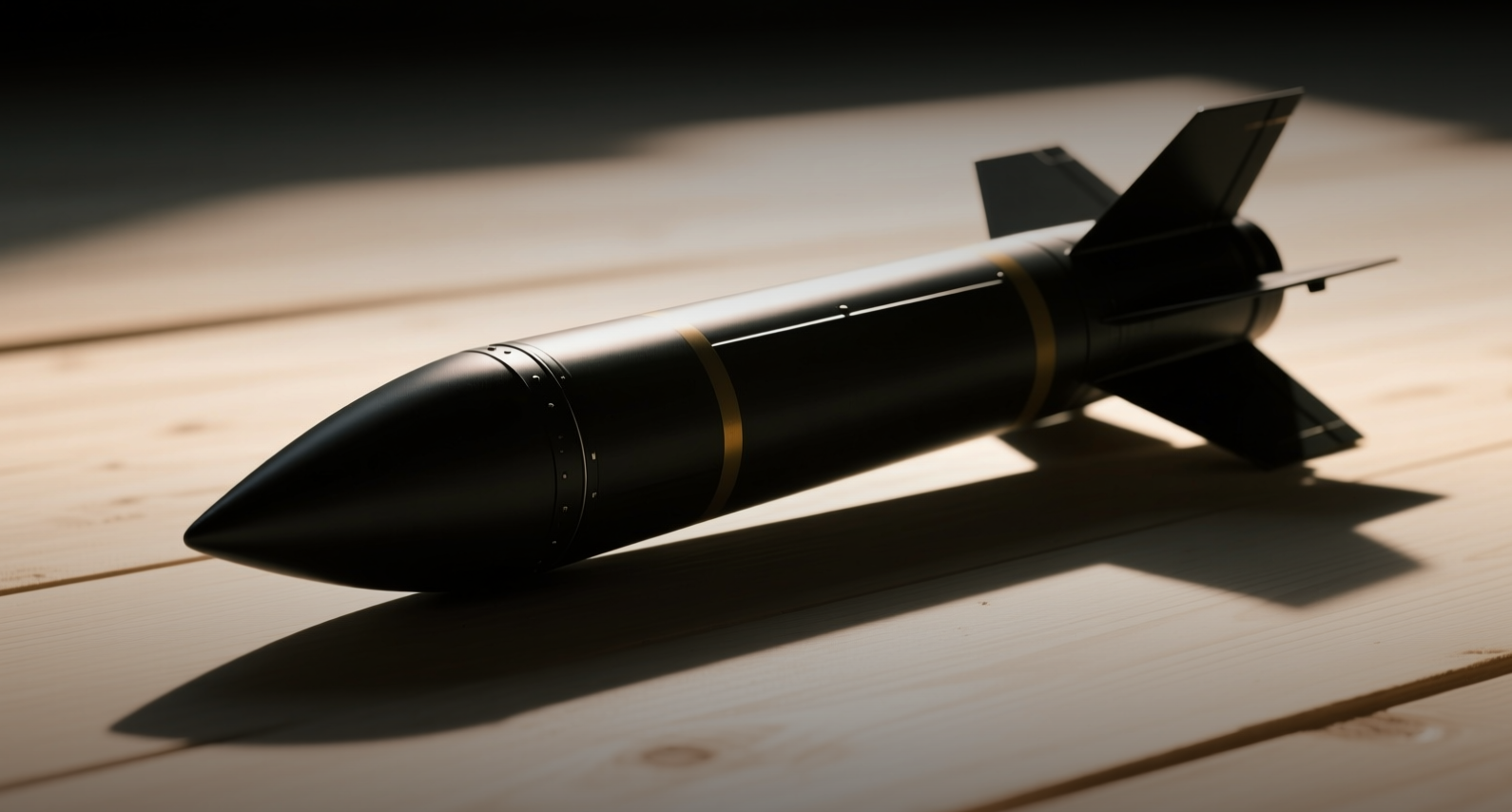
China's military test-launched a nuclear-capable ballistic missile from a submarine into the South Pacific on Monday, triggering a selloff in Asian equities and a flight to safe-haven assets as three US allies condemned the breach of a nuclear-free zone.
"This is the most provocative Chinese missile test in the region since the 2024 ICBM launch, and the timing — hours after Australia and Fiji signed a defense pact — amplifies the strategic message," said Elena Fischer, geopolitical risk analyst at Edgen. "Markets are pricing a higher probability of miscalculation in the Pacific."
The missile, fired at 12:01 p.m. Beijing time from one of China's six ballistic-missile submarines, carried a dummy warhead and landed in the South Pacific Nuclear Free Zone, established by the 1986 Treaty of Rarotonga. China ratified protocols to that treaty in 1987, pledging not to test nuclear weapons within the zone. The launch came two years after China fired an intercontinental ballistic missile into the same waters — its first such test in more than four decades.
The test threatens to accelerate a realignment of Pacific security alliances that carries direct implications for trade and investment flows. Australia and Fiji signed the Ocean of Peace Alliance defense treaty on the same day, while Australia committed $56 million in education aid to the Solomon Islands. If China continues testing in the zone, the risk premium on Pacific-facing assets could widen further, with defense stocks and commodity currencies most exposed.
New Zealand Foreign Minister Winston Peters said Beijing informed Wellington only hours before the launch. "It appears that despite our long-standing concerns about this type of activity, China carried out the test within hours of informing us," Peters said. Australia's Foreign Minister Penny Wong called the test "destabilizing to the region," while Japan's Defense Ministry asked China to "rethink" its missile testing to avoid overflights of Japanese territory.
Solomon Islands Prime Minister Matthew Wale, whose nation chairs the Pacific Islands Forum, registered a formal protest. "China is a good friend of Solomon Islands, but this is not something a friend does," Wale said. "We don't want anybody testing ICBMs in the Pacific Islands region."
The geopolitical shock rippled through risk markets. Asian equities fell broadly, with the MSCI Asia Pacific Index declining as investors rotated into gold and US Treasuries. The Japanese yen strengthened against the dollar as traders reduced exposure to Pacific-rim currencies. Defense stocks in Australia and Japan posted gains on expectations of increased military spending.
China's submarine fleet has expanded rapidly. The country operates six ballistic-missile submarines and 59 nuclear-powered attack submarines, according to the Nuclear Threat Initiative, a Washington-based think tank. The 2024 test was China's first public ICBM launch into the Pacific since 1980, signaling Beijing's willingness to project military power far beyond its coastline.
The last time China conducted a missile test that drew this level of regional backlash was September 2024, when it fired an ICBM with a dummy warhead into the Pacific. That event preceded a 3 percent decline in the Hang Seng Index over the following two weeks and a 2 percent gain in the gold price as investors sought havens.
For investors, the key question is whether this represents a one-off show of force or the start of a sustained pattern. If China conducts additional tests without prior consultation, the risk premium embedded in Pacific-rim assets could become structural. Australian government bond yields, already under pressure from global rate uncertainty, may face additional widening versus US Treasuries. The Australian dollar, a proxy for regional risk appetite, could weaken further.
This article is for informational purposes only and does not constitute investment advice.
