


China's new energy vehicle market delivered a mixed June, with Leapmotor surging 95% while Li Auto slid 15% amid intensifying competition.
China's new energy vehicle market delivered a mixed June, with Leapmotor surging 95% while Li Auto slid 15% amid intensifying competition.
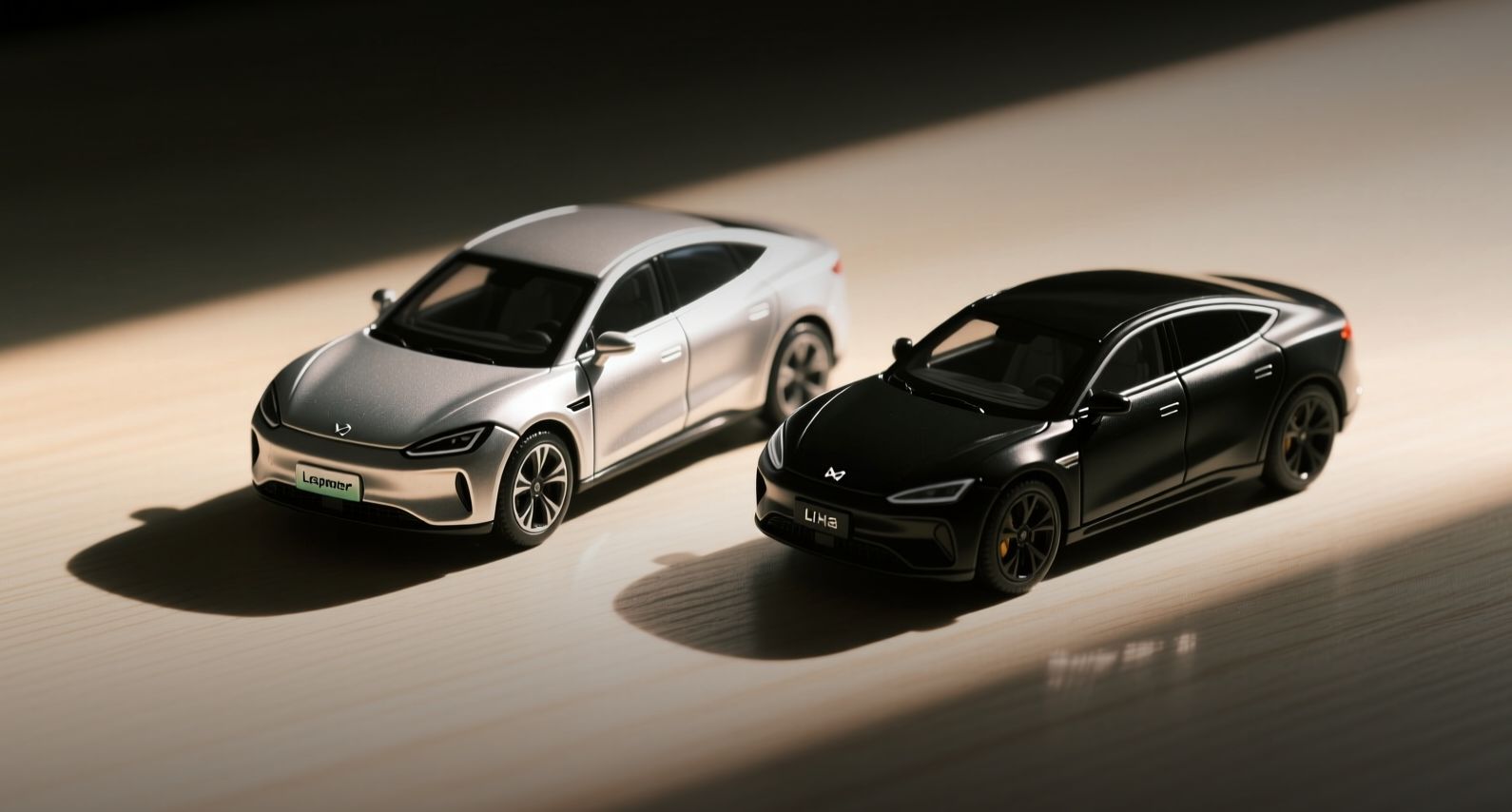
China's new energy vehicle market delivered a mixed June, with Leapmotor surging 95% while Li Auto slid 15% amid intensifying competition.
China's NEV industry wholesale rose 9% month-on-month and 17% year-on-year in June to roughly 1.1 million units, broadly in line with expectations, though individual automakers showed stark divergence, according to Citi Research.
"We estimate overall NEV wholesale volume in June was broadly in line with market expectations, but some brands significantly outperformed the industry," Citi analysts said in a note Wednesday.
Leapmotor delivered 93,376 vehicles, up 95% from a year earlier and 14% from May, exceeding Citi's expectations. XPeng shipped 40,126 units, a 25% sequential gain and 16% annual increase, while Geely Auto's total passenger vehicle wholesale reached 240,800 units, with exports surging 157% year-on-year to 102,900 units. At the other end, Li Auto delivered 30,895 vehicles, down 15% annually and 7% from the prior month. NIO shipped 40,597 units, up 63% year-on-year, but its second-quarter total of 107,700 vehicles missed its own guidance of 110,000 to 115,000 units.
The divergence highlights the intensifying price war in China's EV market, where consumers have grown accustomed to aggressive discounting. BYD, the country's largest automaker, sold 403,500 NEVs in June, up 5% annually, though its first-half cumulative sales of 1.81 million units fell 16% from a year earlier. With domestic demand softening — China's total new vehicle sales contracted roughly 7% in the first quarter, according to Citi analyst Jeff Chung — automakers are increasingly turning to exports.
Export Strength Becomes Key Differentiator
Geely Auto exported 102,900 vehicles in June, a 157% surge from a year earlier, bringing first-half exports to 474,200 units — up 159% year-on-year. BYD has been directing approximately 40% of its production to international markets as domestic appetite weakens, according to Chung. The export push comes as China's overall new vehicle market contracted roughly 7% in the first quarter of 2026, forcing domestic automakers to seek growth abroad. Geely's export ratio now accounts for more than 40% of its monthly wholesale volume, up from about 16% a year ago.
Leapmotor, NIO and Li Auto Diverge
Leapmotor's 95% delivery surge positions it as the fastest-growing among China's emerging EV makers. Citi expects the company to achieve breakeven in the second quarter of 2026, a milestone that would distinguish it from loss-making peers. The Hangzhou-based automaker has benefited from its partnership with Stellantis NV, which provides access to European distribution channels.
NIO's second-quarter miss — 107,700 deliveries versus guidance of 110,000 to 115,000 — sent its shares down 2.6% in premarket trading, despite the company's 63% annual delivery growth in June. The stock had rallied 44% over the prior 12 months, suggesting elevated expectations. Li Auto's 15% annual decline in June deliveries marks a sharp reversal for a company that was once the sales leader among China's EV startups; its shares have fallen 56% over the past year.
For investors, the June data reinforces a bifurcated market. Leapmotor and XPeng — whose shares climbed 2% in premarket trading after delivering 40,126 units — are gaining share through new model cycles and export partnerships. NIO and Li Auto face margin pressure from the price war and slowing demand for their premium models. BYD's Hong Kong-listed shares, down 24% year-to-date, trade at a discount reflecting concerns about domestic market saturation and the profitability of its export push.
This article is for informational purposes only and does not constitute investment advice.
