
Cathay Pacific may cut flights in September if fuel prices stay elevated, CEO Ronald Lam said, as the Iran oil crisis drives up costs for the Hong Kong-based carrier.
Cathay Pacific may cut flights in September if fuel prices stay elevated, CEO Ronald Lam said, as the Iran oil crisis drives up costs for the Hong Kong-based carrier.
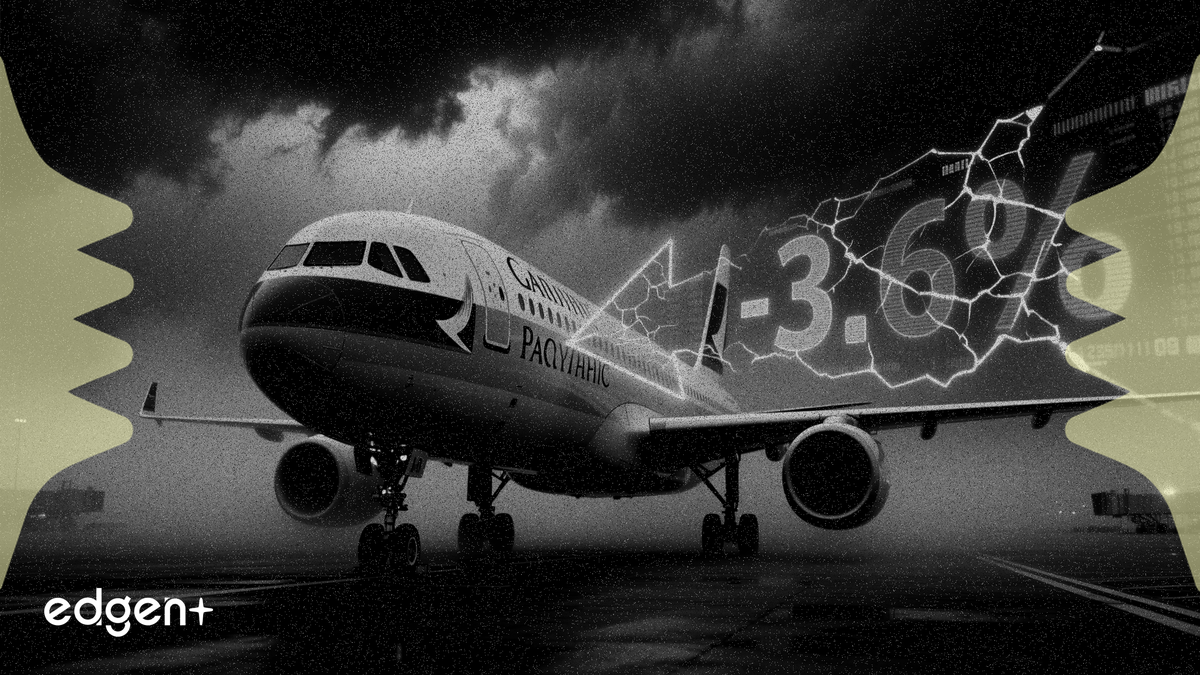
The Iran oil crisis is pushing Cathay Pacific to consider post-summer flight reductions, with CEO Ronald Lam warning the carrier may cut some services in September if fuel costs remain elevated.
"I hope the impacts of the war in the Middle East will be clarified by then so we don't need to cancel more flights," Lam told reporters at the IATA annual meeting in Rio de Janeiro on Sunday.
Cathay has pledged to operate all flights during the peak July-August travel period. The carrier has added fuel surcharges as high as HK$3,120 ($398) for a round-trip ticket to offset rising costs from the Iranian oil shock. The stock opened 3.55% lower Monday to an intraday low of HK$12.35, before recovering to HK$12.74, down 1.7%, with HK$193 million in shares traded.
The warning shows how the Middle East conflict is rippling through Asia's aviation sector. Cathay, which is spending more than HK$100 billion on over 100 new aircraft, is also evaluating whether to adjust its fuel hedging policy to include refining costs, or crack spread, to smooth out volatility. The carrier currently hedges as much as 50% of its fuel needs up to two years out.
The airline has benefited from capturing some demand that would have otherwise gone to Gulf carriers affected by the regional conflict, but higher fuel costs have eroded those gains. Lam said jet fuel shortages have not been an issue and are unlikely to become a risk. The broader Asian aviation sector faces similar pressure, with carriers across the region grappling with elevated fuel costs that have forced ticket price increases and margin compression.
Fuel Hedging Under Review
Cathay is assessing whether to modify its hedging strategy to account for refining margins, Lam said. The current policy covers up to half of the carrier's fuel requirements as far as two years in advance. Any adjustment would aim to reduce earnings volatility from swings in both crude prices and refining costs. The carrier previously raised fuel surcharges to as high as HK$3,120 for a round-trip ticket, though those have since moderated.
Aircraft Orders and Expansion Plans
Beyond the immediate fuel cost challenge, Cathay is pursuing one of its largest fleet expansions. The carrier has ordered more than 100 aircraft worth over HK$100 billion, including 35 Boeing 777-9 jets scheduled for delivery by the end of 2027, subject to certification. Lam said the 777-9 is significant not only as a new aircraft but also because it will introduce a new first-class product for Cathay. He expressed confidence that Boeing is close to completing certification.
Lam also expressed interest in a larger variant of the Airbus A350 widebody if the European planemaker proceeds with a launch, showing Cathay's appetite for additional fleet growth.
Hong Kong's three-runway airport, operational since 2024, provides the infrastructure for expansion. "The next 10 years will be very important for us as a home-based carrier in Hong Kong," Lam said, adding that Cathay will continue to review fleet requirements and may place additional orders.
This article is for informational purposes only and does not constitute investment advice.
