

Edelson Lechtzin LLP is investigating whether Canada Goose kept tariff-driven price increases after the Supreme Court invalidated the levies.
Edelson Lechtzin LLP is investigating whether Canada Goose kept tariff-driven price increases after the Supreme Court invalidated the levies.
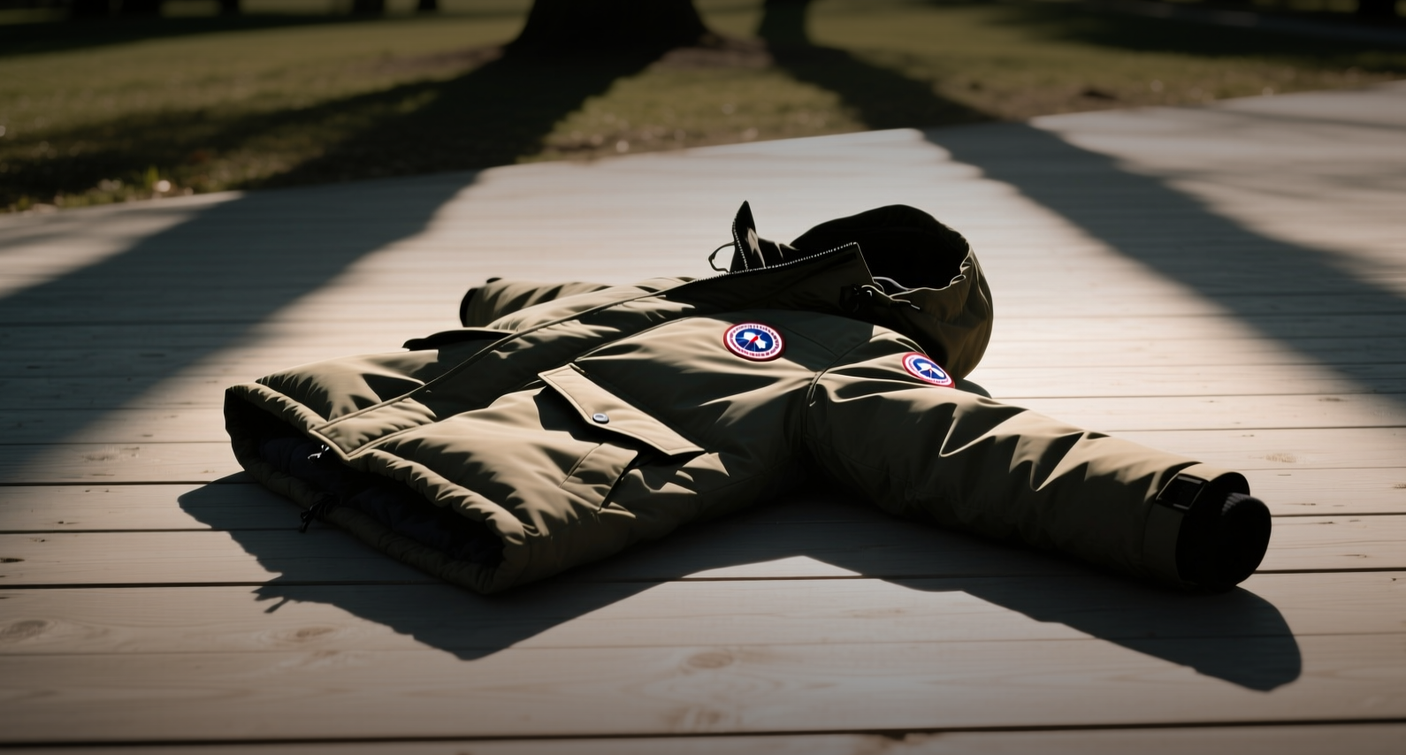
Canada Goose raised prices on its parkas after the U.S. imposed tariffs in early 2025 but has not refunded customers since the Supreme Court struck down those levies on Feb. 20, a law firm investigation alleges.
"The combination may allow a company to keep a windfall — collecting the tariff cost twice, once from consumers and again from the government — while the consumers who actually bore the cost receive nothing," Edelson Lechtzin LLP said in its announcement.
The Supreme Court on Feb. 20 ruled that tariffs imposed under the International Emergency Economic Powers Act were unlawful, invalidating tariff orders issued under that statute. The levies, imposed beginning in early 2025, sharply increased the cost of importing consumer goods into the U.S. Canada Goose, known for its luxury parkas and jackets, raised retail prices in response, the firm said.
The investigation covers Canada Goose products sold in the U.S. during the tariff period, including outerwear, knitwear, footwear and accessories. If a class action proceeds, the company could face financial liability for the tariff-related overcharges, and the case may set a precedent for other consumer goods companies that raised prices citing the now-invalidated levies.
The tariffs, imposed under the Trump administration's trade policy, affected billions of dollars in imported goods across multiple sectors. After the Supreme Court ruling, importers that had paid IEEPA duties became eligible to seek refunds from the federal government. Edelson Lechtzin's investigation examines whether Canada Goose raised prices to cover the tariffs, has not refunded or credited the tariff-related overcharges to its customers, and now stands to recover the same tariff payments from the government.
Canada Goose, which trades on the New York Stock Exchange under the ticker GOOS, is a luxury outerwear brand known for its parkas, jackets and cold-weather apparel, as well as knitwear, footwear and accessories. The company did not immediately respond to a request for comment.
The broader implication extends beyond Canada Goose. Other consumer goods companies that raised prices citing the IEEPA tariffs may face similar scrutiny if they have not refunded customers after the Supreme Court ruling. The previous tariff escalation in 2018-2019 under Section 301 of the Trade Act of 1974 affected roughly $550 billion in Chinese imports, and companies that passed those costs to consumers were not required to refund them because those tariffs remained in effect. The Feb. 20 ruling was different — it invalidated the underlying legal authority, creating a legal basis for refund claims.
No class action lawsuit has been filed against Canada Goose yet, and no court has determined that the company engaged in wrongdoing. The investigation is in its early stages, and consumers who purchased Canada Goose products during the tariff period may be eligible to participate in any future action.
This article is for informational purposes only and does not constitute investment advice.
