
The Bank of Japan raised its benchmark interest rate to 1% on Tuesday, the highest since 1995, and signaled further tightening as persistent inflation and yen weakness forced the central bank's most aggressive move in three decades.
The Bank of Japan raised its benchmark interest rate to 1% on Tuesday, the highest since 1995, and signaled further tightening as persistent inflation and yen weakness forced the central bank's most aggressive move in three decades.
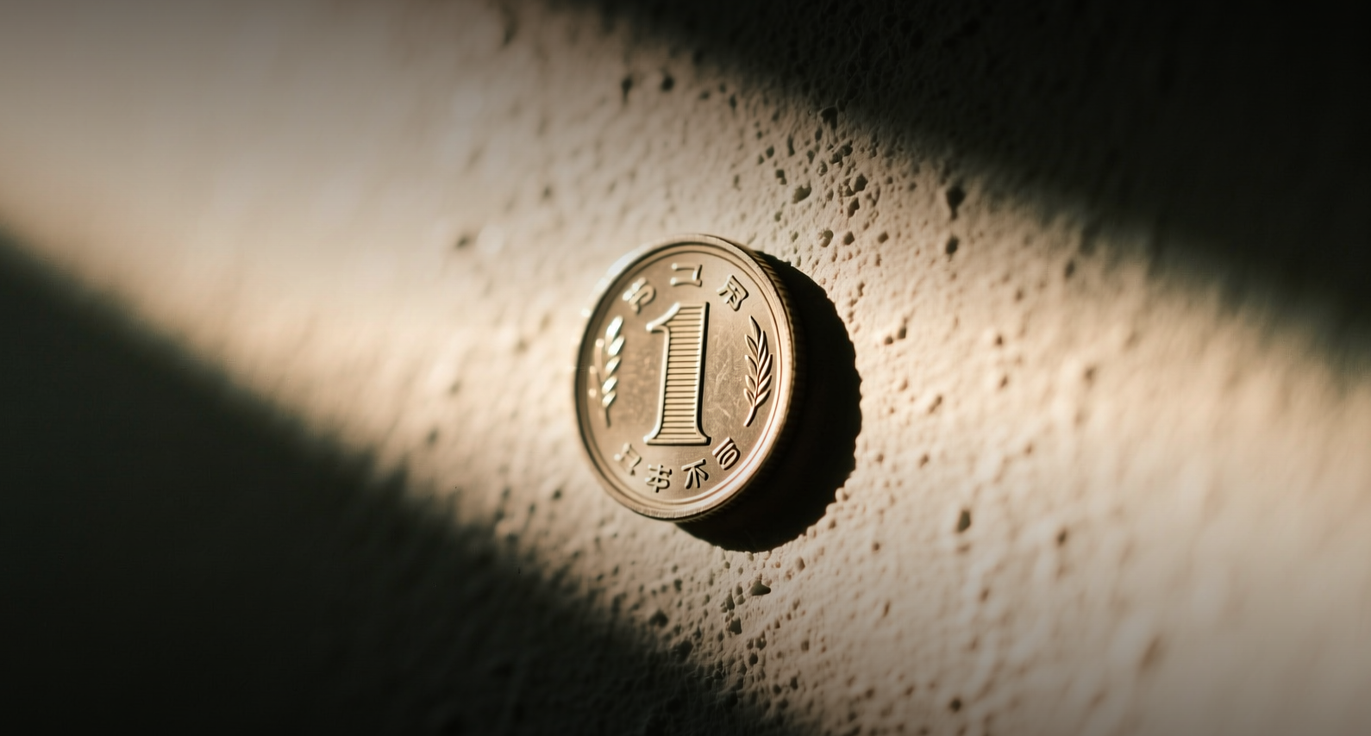
The Bank of Japan raised its benchmark interest rate to 1% on Tuesday, the highest since 1995, and signaled further tightening as persistent inflation and yen weakness forced the central bank's most aggressive move in three decades.
The BoJ's quarter-point increase, which followed a 25-basis-point hike in March, brings the policy rate to levels not seen since the aftermath of Japan's asset-price bubble burst. The decision came as USD/JPY tested the 160.20-160.60 resistance zone, a level that previously triggered BoJ warnings about possible currency intervention to support the yen.
"The BoJ is normalizing at a pace designed to contain imported inflation without destabilizing Japan's government bond market, where the debt-to-GDP ratio exceeds 250 percent," said Toshihiro Nagahama, chief economist at Dai-ichi Life Research Institute. "The 1 percent threshold is both a psychological milestone and a line in the sand for currency markets."
The yen strengthened immediately after the announcement, with USD/JPY falling toward 159.00 from the 160.40 area before the decision. Japan's 10-year government bond yield rose 8 basis points to 1.42 percent, its highest since 2011, while the Nikkei 225 fell 1.8 percent as higher rates weighed on export-oriented stocks. The last time the BoJ raised rates to a multi-decade high was in 2007, when a 50-basis-point hike to 0.5 percent preceded a 12 percent decline in the Nikkei over the following three months.
The central bank's updated forward guidance removed language about maintaining "accommodative conditions for an extended period," replacing it with a commitment to "adjust the degree of monetary accommodation as economic activity and prices evolve." Overnight index swaps now price a 68 percent probability of another 25-basis-point hike by December, implying a terminal rate of 1.25 percent by year-end.
The rate decision carries broad implications for global markets. Japan's ultra-low rates have made the yen the primary funding currency for carry trades, with investors borrowing yen to buy higher-yielding assets from Brazilian reais to U.S. Treasuries. A sustained BoJ tightening cycle could unwind an estimated $1 trillion in yen-funded carry positions, according to Bank for International Settlements data, potentially triggering volatility across emerging-market currencies and risk assets. The BoJ's next policy meeting is scheduled for July 30, with markets watching for any acceleration in the pace of hikes.
This article is for informational purposes only and does not constitute investment advice.
