Axsome Therapeutics shares have doubled in nine months, pushing its market cap past $12.6 billion on Alzheimer's drug approval.
Axsome Therapeutics shares have doubled in nine months, pushing its market cap to $12.6 billion on Alzheimer's agitation drug approval.
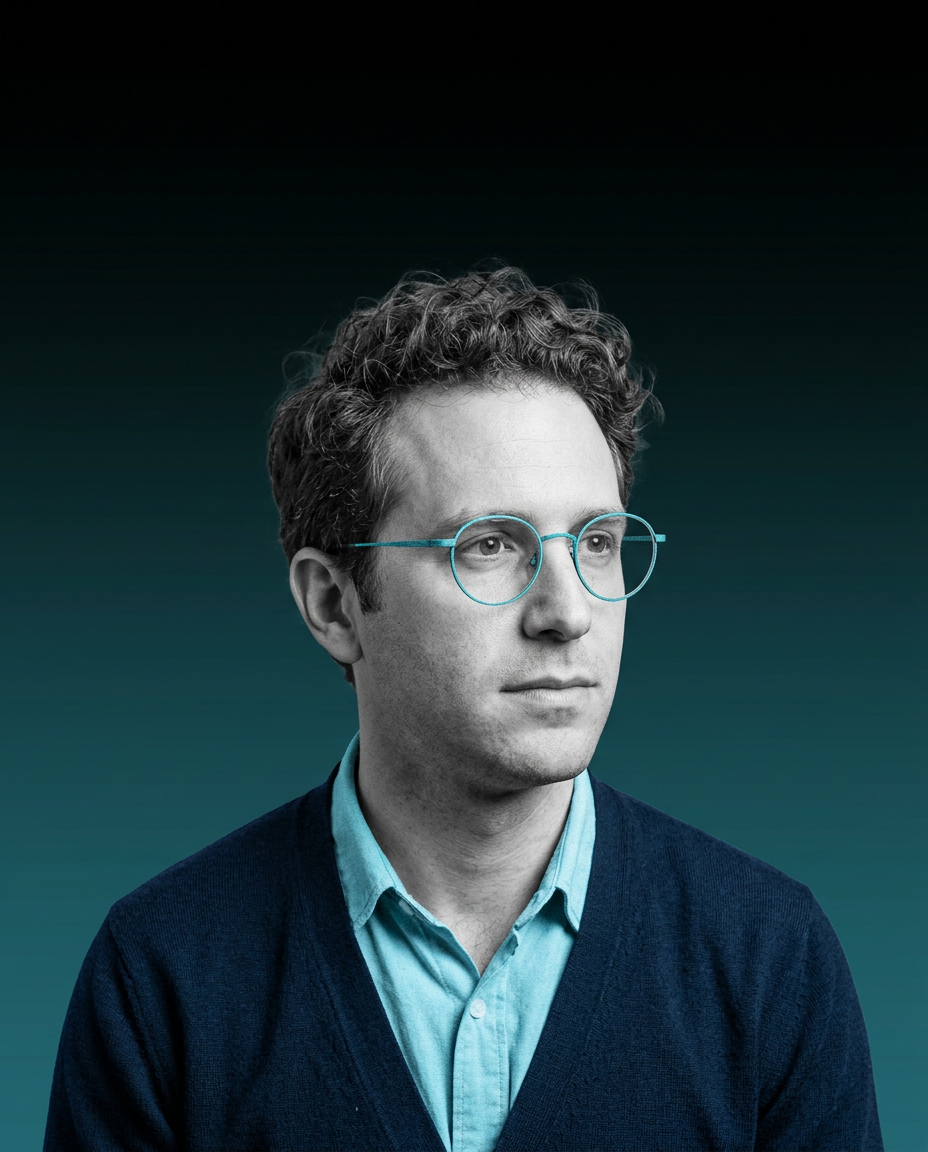
"We literally just launched it a couple of weeks ago. The reception has been tremendous," Herriot Tabuteau, founder and chief executive officer of Axsome, told Forbes.
The New York-based company received FDA approval for Auvelity to treat agitation associated with Alzheimer's disease, a condition affecting as many as 76 percent of the more than 7 million Americans with Alzheimer's. Until now, the only treatment option was antipsychotics, which carry serious risks including death. The FDA issued an unusual press release heralding Auvelity as the first non-antipsychotic drug approved for the indication. Axsome's revenue reached $709 million over the trailing 12 months through the first quarter, up 64 percent from the same period a year earlier. William Blair analyst Myles Minter projects sales of $975 million for 2026 and $1.7 billion for 2027.
Tabuteau now forecasts the Auvelity franchise could reach $8 billion in peak sales, up from an earlier estimate of $6 billion. The company has expanded its sales force and sees potential to treat agitation in other forms of dementia, including Lewy body and vascular dementia. "With the current pipeline, we are in position to file at least one new drug application every year, starting this year through 2030," Tabuteau said.
Auvelity's Path From Depression to Alzheimer's
Auvelity first won FDA approval for major depressive disorder in August 2022, sending Axsome's shares up 65 percent in a week and valuing the company at $3 billion. The Alzheimer's agitation indication represents a larger market opportunity. Tabuteau, who was born in Haiti and educated at Yale School of Medicine, founded Axsome in 2012 and focused on brain disorders, a notoriously difficult area for drug development. He shunned venture capital, self-funding with help from family and friends. When Axsome went public in 2015, the stock traded under $10 for years.
Pipeline Expansion and Deal-Making
Tabuteau's finance background — including stints at Goldman Sachs, Bank of America Securities and hedge fund Healthco or S.A.C. Capital — has shaped Axsome's strategy. In late 2021, the company bought the daytime sleepiness drug Sunosi for $53 million, then recouped its investment by selling European, Middle Eastern and North African rights. Since November, Axsome has acquired two additional candidates: an epilepsy drug from a small biotech that had licensed it from AstraZeneca for $300,000 upfront with potential milestone payments of $83 million, and a schizophrenia and Tourette syndrome drug from Takeda for an undisclosed sum. Tabuteau expects the schizophrenia drug to enter phase 3 trials by year-end.
The stock's 100 percent gain over nine months has outpaced Alphabet's 45 percent rise, Eli Lilly's 57 percent gain and Nvidia's 7 percent increase over the same period. Tabuteau, who Forbes recently named to its Immigrant 250 list, now has a net worth of $2.2 billion. He projects the company's overall pipeline could generate peak sales of $20 billion or more.
The approval positions Axsome to capture a market with no approved non-antipsychotic alternatives. Investors will watch for the company's narcolepsy drug application, submitted earlier this year, and potential expansion of Auvelity into other dementia types as the next catalysts.
This article is for informational purposes only and does not constitute investment advice.