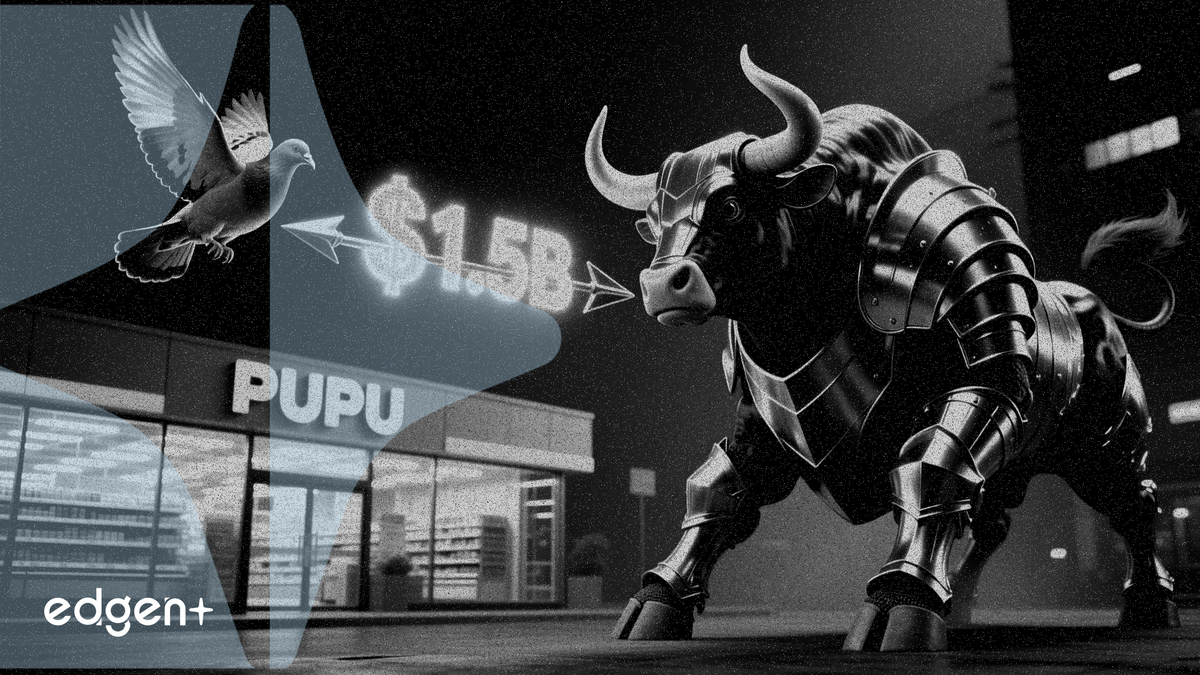
Alibaba Group's $1.5 billion bid for Chinese fresh food platform Pupu Supermarket marks its most aggressive move yet to challenge Meituan's dominance in online grocery.
Alibaba Group offered $1.5 billion to acquire Chinese fresh food e-commerce platform Pupu Supermarket, more than doubling its previous bid for hypermarket operator Gaoxin Retail as it escalates competition with Meituan for online grocery market share, people familiar with the matter said.
"The subsidy war in Chinese e-commerce has become a classic prisoner's dilemma, where no single player dares to stop first even though all know the spiral is unsustainable," said A Wen, a Xinjiang-based columnist who writes on Chinese platform economics. "Platforms use subsidies to strong-arm merchants into compliance and lock consumers into habits that translate into long-term control."
The bid comes as Beijing's market regulator intensifies scrutiny of promotional practices before the annual "618" shopping festival. On June 11, the Beijing Municipal Administration for Market Regulation summoned five major e-commerce platforms — including Alibaba's Taobao and Tmall — over deceptive advertising and failure to disclose subsidy amounts. Alibaba's Hong Kong-listed shares fell 5.4% that day to HK$107.40.
The deal would give Alibaba control of Pupu Supermarket's network of warehouse-equipped neighborhood stores that promise delivery within 30 minutes, a model that directly competes with Meituan's grocery and instant delivery business. Alibaba's previous expansion in physical retail through its 2020 acquisition of hypermarket chain Gaoxin Retail has struggled to gain traction against faster, app-based competitors.
Fresh food delivery represents one of the last high-growth segments in Chinese e-commerce as overall retail spending slows. China's total retail sales of consumer goods grew 1.9% year-on-year in the first four months of 2026, a sharp deceleration from 4.7% growth over the same period in 2025, according to the National Bureau of Statistics. Online retail of physical goods rose 5.7% in the same period, outpacing overall retail but still reflecting a consumer base under pressure.
Alibaba's core e-commerce business has faced intensifying competition from PDD Holdings' Pinduoduo and ByteDance's Douyin, both of which have eroded market share through aggressive discounting and social commerce features. The company's cloud computing and AI divisions, while growing, have not yet compensated for the slowdown in its retail operations.
The acquisition would require approval from China's State Administration for Market Regulation, which has taken an increasingly active role in policing e-commerce competition. In March, the regulator summoned 12 online platforms over violations including enrolling merchants in promotions without consent and enforcing platform-wide minimum pricing that stripped merchants of pricing autonomy.
Alibaba's bid of $1.5 billion is more than double what it previously offered for Gaoxin Retail, highlighting the premium the company places on gaining a foothold in instant grocery delivery. The deal's expected closing timeline and financing structure have not yet been disclosed.
This article is for informational purposes only and does not constitute investment advice.